Navigating Debt Consolidation in the Philippines Key Considerations
Learn about the unique aspects of debt consolidation in the Philippines including local lenders and financial advice.
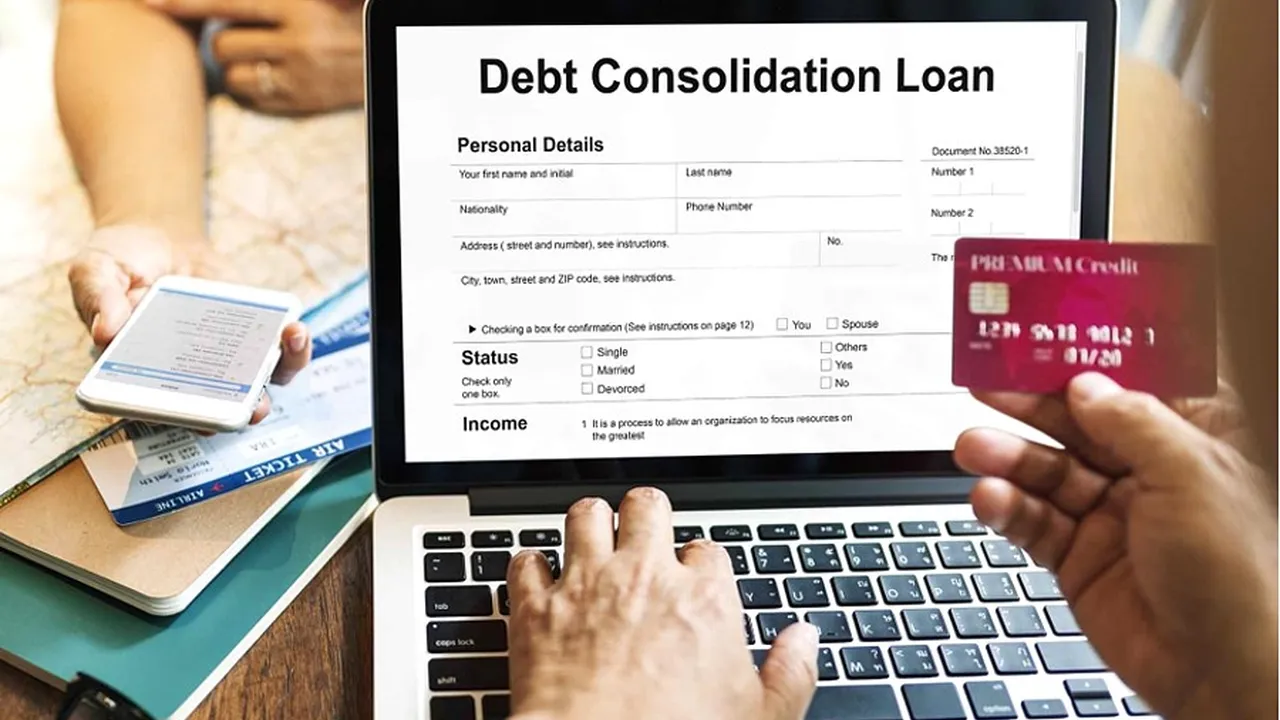
Learn about the unique aspects of debt consolidation in the Philippines, including local lenders and financial advice. This comprehensive guide will walk you through everything you need to know to successfully consolidate your debts in the Philippines, from understanding the local financial landscape to choosing the right products and providers.
Navigating Debt Consolidation in the Philippines Key Considerations
The Philippines, with its vibrant economy and diverse financial landscape, presents both opportunities and challenges for individuals seeking to manage their debt. Debt consolidation, a popular strategy globally, offers a pathway to simplify finances, potentially reduce interest rates, and achieve financial freedom. However, navigating this process in the Philippines requires a nuanced understanding of local regulations, financial products, and cultural considerations. This in-depth guide will equip you with the knowledge to make informed decisions, compare available options, and embark on a successful debt consolidation journey.
Understanding the Philippine Debt Landscape Why Debt Consolidation Matters
Before diving into the specifics of debt consolidation, it's crucial to grasp the prevailing debt landscape in the Philippines. Many Filipinos face challenges with multiple loans, high-interest credit card debts, and informal borrowings. The rising cost of living, coupled with unexpected expenses, often leads to a cycle of debt that can be difficult to break. Debt consolidation emerges as a powerful tool to address these issues by combining various debts into a single, more manageable payment. This not only simplifies your financial obligations but can also lead to significant savings on interest and a clearer path to becoming debt-free.
The primary reasons Filipinos consider debt consolidation include:
- High-Interest Rates: Credit card interest rates in the Philippines can be substantial, making it difficult to pay down the principal.
- Multiple Payments: Juggling several due dates and minimum payments can be overwhelming and lead to missed payments.
- Financial Stress: The burden of debt can take a toll on mental and emotional well-being.
- Improving Credit Score: Consolidating and consistently paying on time can positively impact your credit standing over time.
Types of Debt Consolidation Products in the Philippines Exploring Your Options
In the Philippines, several financial products can be utilized for debt consolidation. Understanding each option's characteristics, pros, and cons is vital for choosing the best fit for your situation.
Personal Loans for Debt Consolidation Philippine Banks and Lenders
Personal loans are one of the most common methods for debt consolidation in the Philippines. These are unsecured loans, meaning they don't require collateral. You borrow a lump sum to pay off your existing debts, and then you repay the personal loan in fixed monthly installments over a set period.
Key Features of Personal Loans in the Philippines:
- Interest Rates: Typically lower than credit card interest rates, but higher than secured loans. Rates can vary significantly based on your creditworthiness and the lender.
- Loan Amounts: Can range from PHP 20,000 to PHP 2,000,000 or more, depending on the bank and your income.
- Tenure: Repayment periods usually range from 12 to 60 months.
- Eligibility: Generally requires a stable income, good credit history, and often a minimum monthly income.
Recommended Personal Loan Products for Debt Consolidation:
Here are a few prominent personal loan products from Philippine banks that are often used for debt consolidation. Please note that interest rates and terms are subject to change, and it's always best to check with the bank directly for the most current information.
BPI Personal Loan
Description: BPI offers competitive personal loans with flexible terms. They are known for their wide branch network and digital banking services, making applications and payments convenient.
Typical Use Case: Ideal for consolidating credit card debts and other high-interest personal loans. Suitable for individuals with a stable employment history and a good credit standing.
Key Features:
- Loan Amount: Up to PHP 2,000,000
- Interest Rate: Starts from around 1.2% to 1.5% effective monthly interest rate (EMIR), which translates to an annual effective interest rate (EIR) of approximately 26% to 33%. This is significantly lower than typical credit card rates.
- Tenure: 12 to 36 months
- Eligibility: Filipino citizen or resident alien, at least 21 years old but not more than 60 upon loan maturity, minimum gross monthly income of PHP 15,000 (for Metro Manila) or PHP 10,000 (for provinces).
- Application Process: Online and in-branch applications available.
Estimated Cost Example: For a PHP 300,000 loan over 36 months at an EMIR of 1.3%, your monthly payment would be approximately PHP 10,800. Total interest paid would be around PHP 88,800.
Metrobank Personal Loan
Description: Metrobank provides personal loans designed to meet various financial needs, including debt consolidation. They offer a straightforward application process and competitive rates.
Typical Use Case: Good for individuals looking for a reliable bank with a strong reputation. Can be used to consolidate multiple smaller debts into one manageable payment.
Key Features:
- Loan Amount: Up to PHP 1,000,000
- Interest Rate: Similar to BPI, EMIR typically ranges from 1.25% to 1.5% (EIR of approximately 27% to 33%).
- Tenure: 12 to 36 months
- Eligibility: Filipino citizen, 21-65 years old upon loan maturity, minimum gross monthly income of PHP 15,000.
- Application Process: Online and in-branch.
Estimated Cost Example: For a PHP 250,000 loan over 24 months at an EMIR of 1.4%, your monthly payment would be approximately PHP 12,800. Total interest paid would be around PHP 57,200.
UnionBank Personal Loan
Description: UnionBank is known for its innovative digital banking solutions. Their personal loans are often processed quickly, appealing to those who need faster access to funds.
Typical Use Case: Excellent for tech-savvy individuals who prefer an entirely online application and management process. Suitable for consolidating credit card balances and other unsecured loans.
Key Features:
- Loan Amount: Up to PHP 2,000,000
- Interest Rate: Competitive EMIR, often starting from 1.2% to 1.4% (EIR of approximately 26% to 30%).
- Tenure: 12 to 60 months
- Eligibility: Filipino citizen, 21-60 years old upon loan maturity, minimum gross monthly income of PHP 20,000.
- Application Process: Primarily online, with quick approval times for eligible applicants.
Estimated Cost Example: For a PHP 500,000 loan over 60 months at an EMIR of 1.25%, your monthly payment would be approximately PHP 12,500. Total interest paid would be around PHP 250,000.
Balance Transfer Credit Cards for Debt Consolidation Philippine Credit Card Issuers
Balance transfer credit cards allow you to move balances from one or more high-interest credit cards to a new card, often with a promotional 0% or low-interest rate for an introductory period. This can be a very effective way to consolidate credit card debt if you can pay off the balance before the promotional period ends.
Key Features of Balance Transfer Cards in the Philippines:
- Promotional Rates: Typically 0% or very low interest for 3 to 12 months.
- Balance Transfer Fees: Usually a one-time fee, often 1% to 5% of the transferred amount.
- Revert Rate: After the promotional period, the interest rate reverts to the standard cash advance or purchase rate, which can be very high.
- Eligibility: Requires a good credit score and sufficient credit limit on the new card.
Recommended Balance Transfer Products:
While specific balance transfer offers change frequently, here are types of cards and issuers known for offering such promotions. Always check their current promotions.
Citibank Balance Transfer
Description: Citibank often has competitive balance transfer offers, allowing cardholders to transfer balances from other banks' credit cards to their Citibank card at a lower interest rate or a 0% introductory rate for a specific period.
Typical Use Case: Excellent for consolidating multiple credit card debts into one payment with a potentially lower interest rate for a limited time. Best for disciplined individuals who can pay off the transferred balance quickly.
Key Features:
- Promotional Rate: Varies, but often 0% for 3-6 months, or a low fixed rate for 6-12 months.
- Balance Transfer Fee: Typically 1% to 3% of the transferred amount.
- Revert Rate: Standard credit card interest rate (e.g., 2% to 3.5% per month) after the promo period.
- Eligibility: Existing Citibank cardholders or new applicants with good credit history.
Estimated Cost Example: Transfer PHP 100,000 with a 0% interest for 6 months and a 2% transfer fee. You pay PHP 2,000 fee upfront. If you pay PHP 16,667 monthly, you pay no interest. If not, the remaining balance accrues high interest.
BDO Balance Transfer
Description: BDO, being one of the largest banks in the Philippines, frequently offers balance transfer programs to its credit cardholders. These programs aim to help customers manage their credit card debts more effectively.
Typical Use Case: Suitable for BDO credit cardholders or those considering getting a BDO card to consolidate existing credit card balances from other banks. Good for managing high-interest credit card debt.
Key Features:
- Promotional Rate: Often a low fixed monthly add-on rate for a specific term (e.g., 0.7% to 1.5% per month for 6, 12, 18, or 24 months).
- Balance Transfer Fee: May or may not have a separate fee, sometimes integrated into the monthly add-on rate.
- Revert Rate: Standard credit card interest rate applies to any remaining balance after the chosen term.
- Eligibility: BDO credit cardholders with good standing.
Estimated Cost Example: Transfer PHP 80,000 over 12 months with a monthly add-on rate of 0.8%. Your monthly payment would be approximately PHP 7,300. Total interest paid would be around PHP 7,600.
Home Equity Loans or Loans Against Collateral Leveraging Your Assets
If you own property (like a house and lot or a car), you might be able to secure a loan against it. These are secured loans, meaning the asset serves as collateral. Because they are secured, they typically come with lower interest rates and longer repayment terms compared to unsecured personal loans.
Key Features of Secured Loans in the Philippines:
- Lower Interest Rates: Significantly lower than personal loans or credit cards due to reduced risk for the lender.
- Higher Loan Amounts: Can borrow a larger sum, often a percentage of the collateral's appraised value.
- Longer Tenure: Repayment periods can extend up to 5, 10, or even 15 years for home equity loans.
- Risk: Your asset is at risk if you default on payments.
Recommended Secured Loan Products:
BPI Housing Loan (Cash Out Refinancing)
Description: BPI offers cash-out refinancing options for existing homeowners. This allows you to borrow against the equity of your home, providing a lump sum that can be used for debt consolidation.
Typical Use Case: Best for homeowners with substantial equity in their property who need to consolidate a large amount of debt and desire the lowest possible interest rates and longest repayment terms.
Key Features:
- Loan Amount: Up to 80% of the appraised value of your property.
- Interest Rate: Very competitive, often starting from 6% to 8% per annum fixed for a few years, then repricing.
- Tenure: Up to 20 years.
- Eligibility: Filipino citizen, 21-65 years old upon loan maturity, with a stable income and clear property title.
Estimated Cost Example: For a PHP 1,000,000 cash-out loan over 10 years at a fixed rate of 7% per annum, your monthly payment would be approximately PHP 11,610. Total interest paid would be around PHP 393,200.
Car Collateral Loans (e.g., from financing companies like Orix Metro, Global Dominion)
Description: Various financing companies in the Philippines offer loans using your car as collateral. These are often quicker to process than home equity loans but come with slightly higher interest rates.
Typical Use Case: Suitable for individuals who own a fully paid car and need a moderate loan amount for debt consolidation, but don't own a home or prefer not to use it as collateral. Good for consolidating smaller personal loans or credit card balances.
Key Features:
- Loan Amount: Up to 70% of the car's fair market value.
- Interest Rate: Higher than home equity loans, typically 1.5% to 3% per month (18% to 36% per annum).
- Tenure: 12 to 36 months.
- Eligibility: Filipino citizen, car must be fully paid and registered under the borrower's name, stable income.
Estimated Cost Example: For a PHP 200,000 loan over 24 months at a monthly interest rate of 2%, your monthly payment would be approximately PHP 10,400. Total interest paid would be around PHP 49,600.
Comparing Debt Consolidation Products in the Philippines Making the Right Choice
Choosing the right debt consolidation product depends heavily on your financial situation, credit score, and the types of debt you hold. Here's a comparison table to help you weigh your options:
| Feature | Personal Loan | Balance Transfer Credit Card | Secured Loan (Home/Car Equity) |
|---|---|---|---|
| Collateral Required | No | No | Yes (Home, Car, etc.) |
| Interest Rate | Moderate (20-35% EIR) | 0% or low promo rate, then high (30-42% EIR) | Low (6-20% EIR) |
| Loan Amount | Moderate (PHP 20k - 2M) | Limited by credit limit | High (up to 80% of asset value) |
| Repayment Period | Short to Medium (1-5 years) | Very Short (promo period), then ongoing | Medium to Long (1-15 years) |
| Credit Score Requirement | Good to Excellent | Good to Excellent | Fair to Good (collateral mitigates risk) |
| Risk | No asset loss, but credit score impact | High interest after promo, potential for new debt | Loss of asset if defaulted |
| Best For | Consolidating credit cards, small loans | Aggressively paying off credit card debt quickly | Large debt amounts, lower interest, longer terms |
The Application Process for Debt Consolidation Loans in the Philippines Step by Step Guide
Regardless of the product you choose, the general application process for debt consolidation in the Philippines follows a similar pattern. Being prepared can significantly speed up approval times.
Gathering Your Documents Essential Requirements
Most lenders will require the following documents:
- Proof of Identity: Valid government-issued IDs (e.g., Passport, Driver's License, SSS ID, UMID).
- Proof of Income: Latest Income Tax Return (ITR), Certificate of Employment with salary, latest 3-6 months payslips, bank statements showing salary credits. For self-employed, DTI registration, business permits, and bank statements.
- Proof of Billing: Utility bills (electricity, water, internet) under your name.
- Debt Statements: Statements from all debts you wish to consolidate (credit card statements, loan contracts).
- Collateral Documents (for secured loans): Original TCT/CCT for real estate, OR/CR for vehicles.
Submitting Your Application Online vs In-Branch
Many banks and financial institutions in the Philippines now offer online application portals, which can be convenient and faster. However, some prefer in-branch applications for personalized assistance.
- Online Application: Fill out forms, upload scanned documents. Expect follow-up calls for verification.
- In-Branch Application: Visit a branch, fill out physical forms, submit photocopies of documents, and present originals for verification.
Loan Evaluation and Approval What to Expect
Once your application is submitted, the lender will:
- Verify Information: They will check your employment, income, and contact details.
- Credit Check: Your credit history and score will be assessed through credit bureaus like the Credit Information Corporation (CIC).
- Debt-to-Income Ratio: They will evaluate your ability to repay the new consolidated loan based on your income and existing obligations.
- Collateral Appraisal (for secured loans): Your property or vehicle will be appraised to determine its value.
Approval times can vary from a few days to several weeks, especially for secured loans.
Disbursement and Debt Repayment Managing Your New Loan
Upon approval, the loan amount will typically be disbursed directly to your bank account or, in some cases, directly to your creditors. It's crucial to ensure all old debts are fully paid off. Then, you will begin making regular, fixed monthly payments on your new consolidated loan. Set up automatic payments if possible to avoid missing due dates.
Key Considerations and Tips for Successful Debt Consolidation in the Philippines Maximizing Your Benefits
To ensure your debt consolidation journey in the Philippines is successful, keep these crucial points in mind:
Credit Score Importance Understanding Your Financial Footprint
Your credit score plays a significant role in loan approval and the interest rate you'll receive. A good credit score (often referred to as a high credit standing) indicates to lenders that you are a responsible borrower. In the Philippines, the Credit Information Corporation (CIC) is the central repository of credit information. You can request your credit report from them to understand your current standing.
- Improve Your Score: Before applying, try to pay bills on time, reduce small outstanding balances, and avoid opening new credit lines.
- Impact of Consolidation: Initially, your score might dip slightly due to a new credit inquiry, but consistent on-time payments on your consolidated loan will improve it over time.
Interest Rates and Fees Decoding the True Cost
Don't just look at the advertised interest rate. Understand the Effective Interest Rate (EIR), which includes all fees and charges, giving you the true cost of the loan. Also, inquire about:
- Processing Fees: One-time charges for loan processing.
- Documentary Stamp Tax (DST): A government tax on loan agreements.
- Late Payment Fees: Penalties for missed payments.
- Pre-termination Fees: Charges if you decide to pay off the loan earlier than scheduled.
Budgeting and Financial Discipline Post Consolidation Maintaining Momentum
Debt consolidation is not a magic bullet; it's a tool. Its success hinges on your commitment to financial discipline afterward. Create a realistic budget that accounts for your new consolidated payment and stick to it. Avoid taking on new debt, especially credit card debt, which can quickly undo your progress.
- Track Expenses: Know where your money is going.
- Cut Unnecessary Spending: Identify areas where you can save.
- Build an Emergency Fund: Start saving for unexpected expenses to avoid relying on credit again.
Seeking Professional Advice When to Consult Experts
If your debt situation is complex, or you're unsure about the best path forward, consider consulting a financial advisor or a reputable debt counseling service in the Philippines. They can provide personalized advice and help you navigate the intricacies of debt management.
Beware of Scams Protecting Yourself from Fraud
Unfortunately, debt relief scams exist. Be wary of companies that promise instant debt relief, ask for upfront fees before providing services, or pressure you into signing documents without full understanding. Always verify the legitimacy of any financial institution or service provider with the Bangko Sentral ng Pilipinas (BSP) or the Securities and Exchange Commission (SEC).
The Future of Your Finances After Debt Consolidation in the Philippines Building a Stronger Tomorrow
Successfully consolidating your debt in the Philippines is a significant step towards financial stability. It's an opportunity to reset your financial habits and build a more secure future. By understanding the local landscape, carefully comparing products, and committing to disciplined financial management, you can transform your debt burden into a stepping stone for lasting financial freedom. Remember, the goal isn't just to consolidate debt, but to eliminate it and cultivate healthy financial practices that will serve you for years to come.
:max_bytes(150000):strip_icc()/277019-baked-pork-chops-with-cream-of-mushroom-soup-DDMFS-beauty-4x3-BG-7505-5762b731cf30447d9cbbbbbf387beafa.jpg)