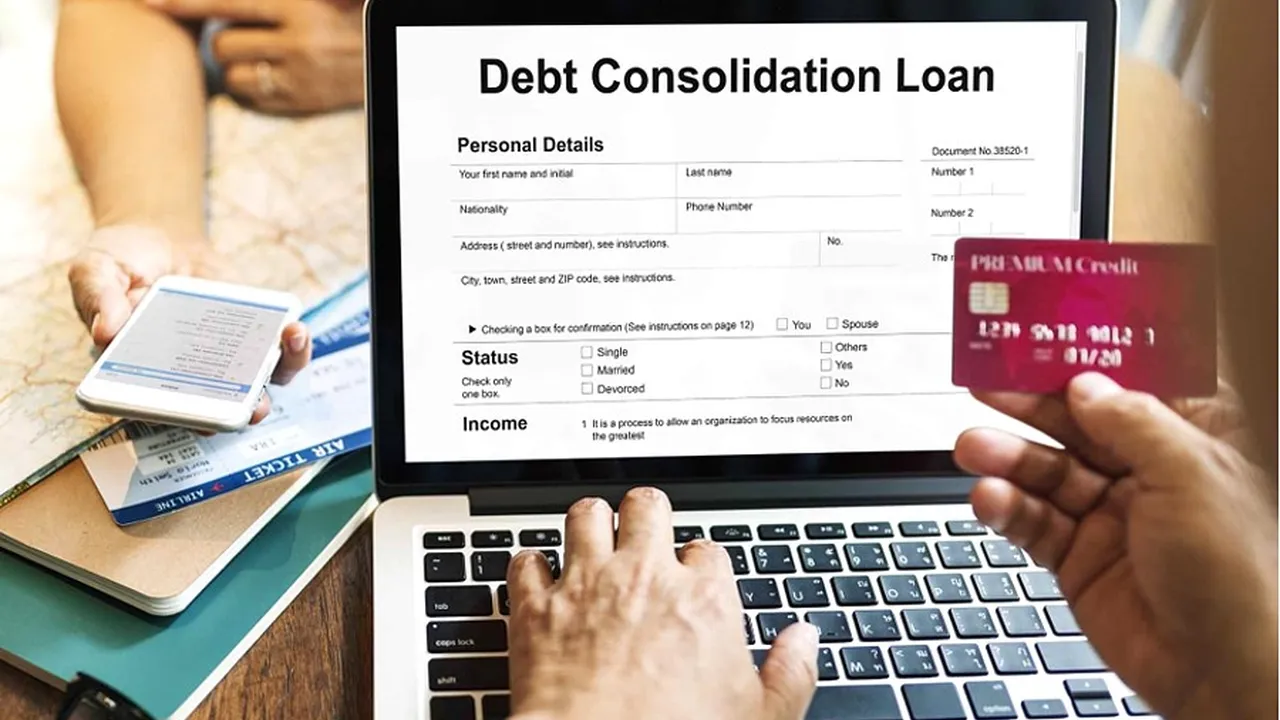
Debt Consolidation Loans with Cosigner Benefits and Risks
Understand the advantages and potential risks of applying for a debt consolidation loan with a cosigner.

Understand the advantages and potential risks of applying for a debt consolidation loan with a cosigner.
Debt Consolidation Loans with Cosigner Benefits and Risks
Hey there! Are you drowning in debt and looking for a lifeline? Debt consolidation loans can be a fantastic way to simplify your finances, potentially lower your interest rates, and get you on the path to financial freedom. But what if your credit score isn't quite where it needs to be to snag the best rates, or even get approved at all? That's where a cosigner might come into play. Bringing a cosigner on board can significantly boost your chances of approval and help you secure more favorable terms. However, it's not a decision to take lightly, as it comes with its own set of benefits and, crucially, risks for both you and your cosigner. Let's dive deep into everything you need to know about debt consolidation loans with a cosigner.
What is a Debt Consolidation Loan with a Cosigner and Why Consider One?
First things first, let's clarify what we're talking about. A debt consolidation loan is essentially a new loan you take out to pay off multiple existing debts, like credit card balances, personal loans, or medical bills. The goal is to combine all those separate payments into one single, often lower, monthly payment, ideally with a lower interest rate. This can make managing your debt much simpler and potentially save you a lot of money over time.
Now, adding a cosigner to this equation means someone else, usually a trusted friend or family member with a strong credit history, agrees to be equally responsible for the loan. If you, for any reason, can't make your payments, your cosigner is legally obligated to step in and pay. Lenders see this as a reduced risk because they have two people on the hook for the loan instead of just one. This can be a game-changer if your credit score is less than stellar, if you have a limited credit history, or if your income isn't quite high enough to qualify on your own.
Think of it this way: if you're trying to get a loan but the lender is a bit hesitant about your financial standing, a cosigner acts like a financial guarantor, giving the lender more confidence. This can open doors to loans you might not otherwise qualify for, or help you get a much better interest rate than you'd receive on your own. For example, if your credit score is in the 'fair' range (say, 580-669), a cosigner with an 'excellent' score (740+) could help you qualify for rates typically reserved for excellent credit borrowers. This could mean the difference between an 18% APR and a 7% APR, which translates to thousands of dollars saved over the life of the loan.
The Big Benefits of Having a Cosigner for Your Debt Consolidation Loan
Let's break down the good stuff that comes with having a cosigner on your debt consolidation journey:
Increased Approval Odds and Access to Better Loan Terms
This is probably the most significant advantage. Lenders look at your creditworthiness to determine if you're a reliable borrower. If your credit score is low, or you have a short credit history, lenders might see you as a higher risk. A cosigner with a strong credit profile essentially lends their good credit to your application. This significantly increases your chances of getting approved for the loan. Not only that, but it can also unlock better loan terms, such as lower interest rates and more flexible repayment periods. A lower interest rate means you'll pay less overall for your debt, and a more manageable repayment period can ease the monthly burden.
Potentially Lower Interest Rates and Reduced Overall Cost
As mentioned, a cosigner can help you secure a lower interest rate. This is huge! Even a few percentage points can save you hundreds or even thousands of dollars over the life of the loan. Imagine consolidating several credit cards with average APRs of 20% into a single loan with a 10% APR. That's a massive saving that can accelerate your debt repayment and free up more money for other financial goals. This is especially beneficial if you're currently carrying high-interest credit card debt, which can feel like an uphill battle.
Opportunity to Rebuild Your Own Credit History
This is a fantastic long-term benefit. When you successfully make on-time payments for a debt consolidation loan with a cosigner, those payments are reported to credit bureaus. Since you're the primary borrower, these positive payment activities will reflect on your credit report, helping to improve your credit score over time. This is a crucial step towards financial independence, as a better credit score will open doors to better rates on future loans, mortgages, and even insurance. It's a chance to demonstrate responsible financial behavior and build a solid foundation for your future.
Simplified Debt Management and Reduced Stress
Consolidating multiple debts into one payment is inherently simpler. Instead of juggling several due dates, minimum payments, and interest rates, you have just one to worry about. This simplification, combined with potentially lower monthly payments, can significantly reduce financial stress. When you're less stressed about your finances, you can focus more on making smart financial decisions and sticking to your budget. A cosigner helps you get to this simplified state, making the whole process smoother.
The Serious Risks Involved for Both You and Your Cosigner
While the benefits are appealing, it's absolutely critical to understand the risks. This isn't just about your finances; it's about your relationship with your cosigner.
For the Cosigner: Full Legal Responsibility and Credit Impact
This is the biggest risk for your cosigner. When they cosign, they are legally agreeing to pay the loan if you don't. This isn't a 'backup' plan; it's a full commitment. If you miss payments, their credit score will take a hit, just as yours would. If you default entirely, the lender will pursue them for the full amount, potentially leading to collections, lawsuits, and severe damage to their credit. This can also impact their ability to get loans or credit in the future. It's a huge responsibility, and they need to be fully aware of the implications.
For You: Potential Strain on Relationships and Financial Dependence
If you struggle to make payments, it puts your cosigner in a very difficult position. This can lead to significant strain on your relationship, whether it's with a parent, sibling, or friend. Money issues are a leading cause of relationship breakdowns, and this scenario is no exception. Furthermore, relying on a cosigner can foster a sense of financial dependence, which might hinder your journey towards true financial independence. You need to be absolutely committed to making those payments to protect both your finances and your relationship.
Difficulty Removing a Cosigner from the Loan
Once a cosigner is on a loan, it's usually very difficult to remove them. Most lenders will only consider a cosigner release if you've made a significant number of on-time payments (often 12-24 consecutive payments) and your own credit profile has improved enough to qualify for the loan on your own. Even then, it's not guaranteed. This means your cosigner could be tied to your debt for years, even if your financial situation improves dramatically. This lack of flexibility is a major consideration.
Impact on Future Borrowing Capacity for Both Parties
For your cosigner, having your debt consolidation loan on their credit report increases their debt-to-income ratio. This can make it harder for them to qualify for their own loans, like a mortgage or a car loan, or to get favorable interest rates. For you, while the loan helps consolidate debt, if you take on more debt after consolidation, it could negate the benefits and put both you and your cosigner in a worse position.
When a Cosigner Might Be a Good Idea for Debt Consolidation
Despite the risks, there are situations where a cosigner can be a smart move:
- You have a clear plan for repayment: You've budgeted, you know exactly how you'll make payments, and you're committed.
- Your credit score is just shy of qualifying: You're close to getting approved on your own, but a little boost from a cosigner makes all the difference.
- You have a very strong relationship with your cosigner: There's open communication, trust, and a mutual understanding of the risks.
- The interest rate savings are substantial: The difference in interest rates with a cosigner is so significant that it makes the risk worthwhile.
When to Think Twice About a Cosigner for Debt Consolidation
On the flip side, here are times when you should probably avoid a cosigner:
- You're unsure about your ability to repay: If there's any doubt, don't put someone else's finances at risk.
- Your relationship with the potential cosigner is fragile: Don't jeopardize a relationship over debt.
- You haven't explored all other options: Have you looked into secured loans, debt management plans, or credit counseling first?
- The interest rate difference isn't significant: If the savings are minimal, the risk might not be worth it.
Choosing the Right Debt Consolidation Loan with a Cosigner: Product Recommendations and Comparisons
Okay, so you've weighed the pros and cons, had a frank discussion with your potential cosigner, and decided this is the path for you. Now, where do you go to find these loans? Many lenders offer personal loans that can be used for debt consolidation, and most of them allow cosigners. Here are some types of lenders and specific product examples to consider, keeping in mind that rates and terms are always subject to change and depend heavily on your and your cosigner's credit profiles.
Online Lenders: Speed and Convenience
Online lenders are often a great starting point because they tend to have streamlined application processes and can offer competitive rates. They're also generally more flexible with credit requirements than traditional banks, making them a good fit for cosigned loans.
-
LightStream Personal Loans (from Truist)
Overview: LightStream is known for offering some of the lowest interest rates in the industry, but they typically require excellent credit. However, with a strong cosigner, you might be able to access these rates. They offer loans for a wide variety of purposes, including debt consolidation, and have a very quick application and funding process.
Use Case: Ideal if you or your cosigner have excellent credit and you're looking for the absolute lowest rates and a fast turnaround. They don't have an origination fee, which is a big plus.
Comparison: Their rates are often among the best, but their credit requirements are stringent. A cosigner can bridge that gap.
Typical Rates/Fees: APRs can start as low as 6.99% to 20.49% with AutoPay. No origination fees. Loan amounts from $5,000 to $100,000. Terms from 24 to 84 months.
-
SoFi Personal Loans
Overview: SoFi is another popular online lender that offers personal loans for debt consolidation. They are known for catering to borrowers with good to excellent credit, but they do allow cosigners. SoFi also offers unemployment protection, which can be a valuable safety net if you lose your job.
Use Case: Good for borrowers with good credit who might need a slight boost from a cosigner to get the best rates, or for those who value unemployment protection.
Comparison: SoFi's rates are competitive, and they offer a range of borrower benefits. They are generally more flexible than traditional banks but still look for strong credit profiles.
Typical Rates/Fees: APRs from 8.99% to 29.99% (with AutoPay). No origination fees. Loan amounts from $5,000 to $100,000. Terms from 24 to 84 months.
-
Marcus by Goldman Sachs Personal Loans
Overview: Marcus offers personal loans with no fees (no origination fees, no late fees, no prepayment fees). They are known for their straightforward approach and competitive rates for borrowers with good credit. While they don't explicitly advertise cosigner options on their main page, it's worth inquiring, as their underwriting can be flexible, and some users have reported success with joint applications which function similarly to cosigned loans.
Use Case: If you or your cosigner have good credit and you want a no-fee loan with predictable payments. Best for those who prefer a more traditional banking name with an online presence.
Comparison: Very competitive on fees and rates for strong credit. Their customer service is often highly rated.
Typical Rates/Fees: APRs from 6.99% to 24.99% (with AutoPay). No fees whatsoever. Loan amounts from $3,500 to $40,000. Terms from 36 to 72 months.
Traditional Banks and Credit Unions: Established Options
Don't overlook your local bank or credit union. They often have a more personal touch and might be more willing to work with you, especially if you have an existing relationship with them. Credit unions, in particular, are member-owned and often offer lower rates and more flexible terms than big banks.
-
Local Credit Unions (e.g., Navy Federal Credit Union, Alliant Credit Union)
Overview: Credit unions are fantastic for personal loans, often offering lower interest rates and more personalized service than larger banks. They are generally more willing to work with members who might have less-than-perfect credit, especially with a cosigner. Membership is usually required, but often easy to obtain.
Use Case: Excellent for those who value personalized service, potentially lower rates, and a more community-focused lender. Great if you or your cosigner are already members or qualify for membership.
Comparison: Often beat big banks on rates and fees, and are more understanding of individual circumstances. Cosigner options are usually readily available.
Typical Rates/Fees: Highly variable by credit union, but often start lower than big banks (e.g., 7-18% APR). Loan amounts and terms also vary widely.
-
Wells Fargo Personal Loans
Overview: As a large national bank, Wells Fargo offers personal loans for debt consolidation. They have a wide branch network, which can be convenient for some. They do allow cosigners, and having an existing banking relationship might help your application.
Use Case: Good for those who prefer a traditional bank, have an existing relationship with Wells Fargo, and need the option of in-person support.
Comparison: Rates might be slightly higher than online-only lenders for the same credit profile, but the in-person service can be a draw.
Typical Rates/Fees: APRs can range from 7.49% to 24.24%. No origination fees. Loan amounts from $3,000 to $100,000. Terms from 12 to 84 months.
Important Considerations When Comparing Products:
- Interest Rate (APR): This is the most crucial factor. A lower APR means less money paid over time. Always compare the Annual Percentage Rate, which includes fees.
- Fees: Look out for origination fees (a percentage of the loan amount taken off the top), late payment fees, and prepayment penalties. Many good lenders have no origination fees.
- Loan Amount and Terms: Ensure the loan amount is sufficient to cover all your debts, and the repayment term is manageable for your budget. Longer terms mean lower monthly payments but more interest paid overall.
- Cosigner Release Option: Ask if the lender offers a cosigner release. If so, what are the requirements? This is a huge benefit for your cosigner.
- Customer Service and Reputation: Read reviews. You want a lender that is transparent and easy to work with.
How to Approach Your Potential Cosigner: A Crucial Conversation
This isn't a casual chat. This is a serious financial commitment you're asking someone to make. Here's how to handle it:
Be Transparent and Honest About Your Financial Situation
Lay all your cards on the table. Explain why you need a cosigner, what your current debts are, and what led to your financial situation. Don't sugarcoat anything. Your cosigner needs the full picture to make an informed decision. Show them your credit report, your budget, and your debt statements. Transparency builds trust.
Explain the Risks Clearly to Your Cosigner
Don't just focus on the benefits. Explicitly explain that if you can't pay, they are 100% responsible. Tell them how it could affect their credit score, their ability to get loans, and even their savings. Make sure they understand the legal implications. It's better to be overly cautious than to have misunderstandings later.
Present a Detailed Repayment Plan and Budget
Show them you're serious about repayment. Present a detailed budget that demonstrates how you plan to make every payment on time. Include your income, all your expenses, and how the new consolidated payment fits in. This shows responsibility and commitment. You might even want to set up automatic payments from your account to ensure consistency.
Discuss a 'What If' Scenario and Contingency Plan
What happens if you lose your job? What if you face an unexpected medical emergency? Discuss these possibilities with your cosigner. Do you have an emergency fund? Could they afford to make a few payments if absolutely necessary? Having a contingency plan in place shows foresight and responsibility, even if it's uncomfortable to discuss.
Offer to Provide Regular Updates on Loan Status
Commit to keeping your cosigner in the loop. Offer to send them monthly statements or provide regular updates on your payment progress. This transparency will reassure them and maintain trust throughout the loan term.
Steps to Take After Getting a Cosigned Debt Consolidation Loan
Congratulations, you've secured the loan! But the work isn't over; in fact, it's just beginning. This is your chance to prove yourself and build a stronger financial future.
Prioritize On-Time Payments Above All Else
This is non-negotiable. Every single payment must be made on time, every time. Set up automatic payments from your bank account to avoid missing due dates. This protects your credit, your cosigner's credit, and your relationship. Treat this loan with the utmost seriousness.
Stick to Your Budget and Avoid New Debt
The whole point of debt consolidation is to get out of debt, not to accumulate more. Stick to the budget you created. Cut unnecessary expenses. Resist the urge to open new credit cards or take on additional loans. If you find yourself struggling, revisit your budget or seek credit counseling immediately.
Communicate Openly with Your Cosigner
Even if everything is going smoothly, keep the lines of communication open. Send them updates, thank them for their support, and let them know if any issues arise, no matter how small. Honesty and gratitude go a long way in maintaining a healthy relationship.
Work Towards a Cosigner Release (If Available)
If your loan offers a cosigner release option, make it a goal. Understand the requirements (e.g., number of on-time payments, credit score improvement) and actively work towards meeting them. This is the ultimate way to thank your cosigner and achieve full financial independence.
Focus on Building Your Emergency Fund and Savings
Once your debt is consolidated and you're making steady payments, shift your focus to building an emergency fund. Having 3-6 months' worth of living expenses saved can prevent you from falling back into debt if unexpected costs arise. This is a critical step in securing your long-term financial health.
Final Thoughts on Cosigned Debt Consolidation Loans
Getting a debt consolidation loan with a cosigner can be a powerful tool to turn your financial situation around. It offers a pathway to lower interest rates, simplified payments, and the opportunity to rebuild your credit. However, it's a decision that carries significant weight and responsibility for both you and your cosigner. Approach it with transparency, a solid repayment plan, and a deep understanding of the risks involved. When handled responsibly, it can be a stepping stone to a much brighter and more stable financial future. Just remember, the goal isn't just to get the loan, but to successfully pay it off and emerge stronger on the other side.
:max_bytes(150000):strip_icc()/277019-baked-pork-chops-with-cream-of-mushroom-soup-DDMFS-beauty-4x3-BG-7505-5762b731cf30447d9cbbbbbf387beafa.jpg)