Questions to Ask Before Choosing a Debt Consolidation Provider
Arm yourself with the right questions to ask potential debt consolidation providers to ensure you make an informed decision.
Arm yourself with the right questions to ask potential debt consolidation providers to ensure you make an informed decision.
Questions to Ask Before Choosing a Debt Consolidation Provider
Understanding Debt Consolidation Providers and Your Needs
So, you're thinking about debt consolidation. That's a smart move! It can really simplify your finances, potentially lower your interest rates, and get you on the fast track to being debt-free. But here's the thing: not all debt consolidation providers are created equal. Choosing the wrong one can actually make your situation worse. That's why it's super important to do your homework and ask the right questions before you commit. Think of it like interviewing someone for a really important job – because they're going to be handling your financial future!
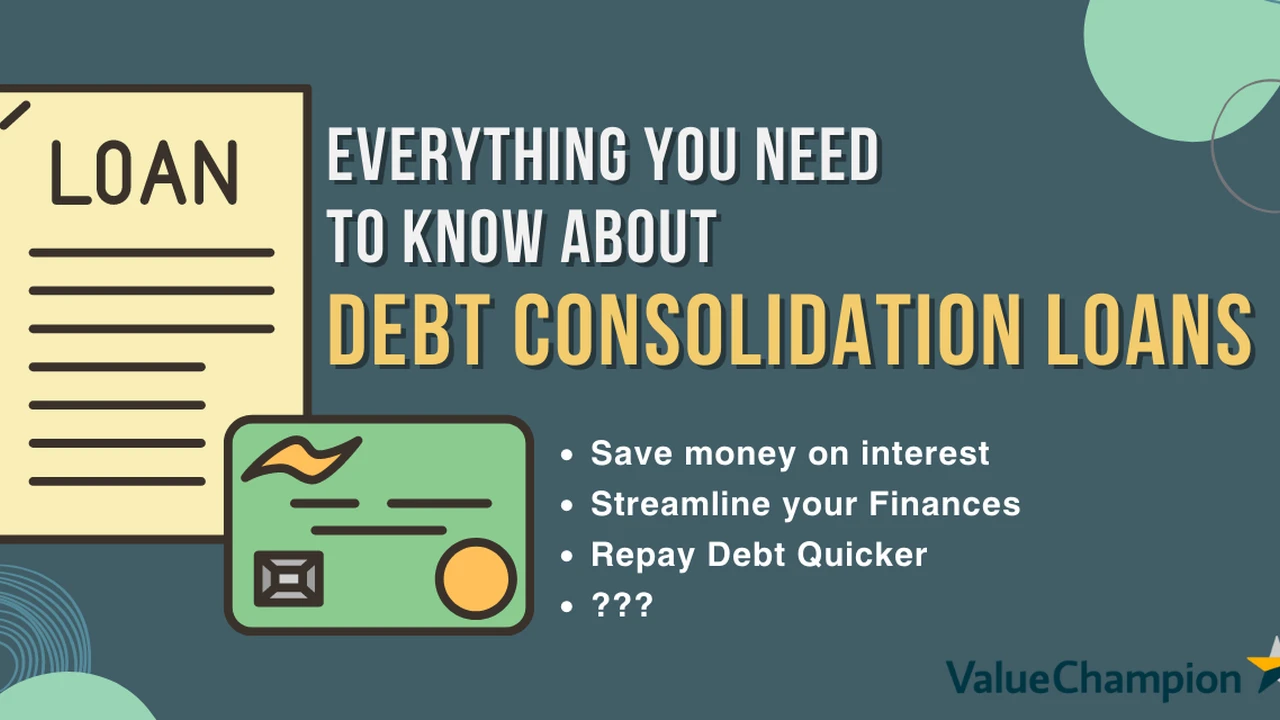
Before we dive into the specific questions, let's quickly recap what debt consolidation is. It's basically taking multiple debts – like credit card balances, personal loans, or medical bills – and rolling them into one single, new loan, usually with a lower interest rate and a more manageable monthly payment. This can be done through various methods, such as a debt consolidation loan, a balance transfer credit card, or even a home equity loan. The goal is always the same: simplify, save money, and get out of debt faster.
Now, let's get down to business. What should you be asking these providers?
Key Questions About the Provider's Reputation and Legitimacy
First things first, you need to make sure you're dealing with a legitimate and reputable company. There are unfortunately some bad apples out there. Here are some questions to help you vet them:
- How long have you been in business? A longer track record often indicates stability and experience.
- Are you licensed and accredited? In the US, look for accreditation from organizations like the National Foundation for Credit Counseling (NFCC) or the Financial Counseling Association of America (FCAA) for non-profit credit counseling agencies. For lenders, check their state licensing. In Southeast Asia, regulations vary, so research the specific country's financial authority. For example, in Singapore, check with the Monetary Authority of Singapore (MAS). In Malaysia, look for Bank Negara Malaysia (BNM) regulated entities.
- Can you provide references or testimonials? While online reviews are helpful, direct references can offer deeper insights.
- What is your Better Business Bureau (BBB) rating (for US providers)? A good rating indicates a commitment to customer service and ethical practices.
- Are there any complaints filed against your company with regulatory bodies? This is a crucial question to uncover any red flags.
Questions About the Debt Consolidation Process and Options
Once you've established their legitimacy, you need to understand exactly how they operate and what options they offer. This is where you tailor their services to your specific needs.
- What types of debt consolidation solutions do you offer? Do they primarily offer personal loans, balance transfer cards, debt management plans, or something else? You want a provider that offers solutions relevant to your situation.
- What are the eligibility requirements for your programs/loans? This includes credit score requirements, income, debt-to-income ratio, and any other criteria. Don't waste your time applying if you don't meet the basic qualifications.
- What is the typical interest rate range I can expect? Be wary of providers who promise extremely low rates without knowing your financial details. Ask for a realistic range based on your credit profile.
- Are there any upfront fees or hidden costs? This is HUGE. Some companies charge hefty application fees, origination fees, or even monthly maintenance fees. Make sure you get a full breakdown of ALL costs.
- What is the repayment term? How long will it take to pay off the consolidated debt? A longer term might mean lower monthly payments but more interest paid over time.
- Is there a prepayment penalty? You want the flexibility to pay off your debt faster if you can, without being penalized.
- How will this impact my credit score? Debt consolidation can have both positive and negative impacts. Understand what to expect.
- What happens if I miss a payment? Understand their late payment policies and any associated fees.
- Will you negotiate with my creditors on my behalf? If you're considering a debt management plan, this is a key function.
- What kind of support will I receive throughout the process? Will you have a dedicated advisor? How often can you contact them?
Specific Questions for Debt Consolidation Loans and Balance Transfer Cards
If you're leaning towards a specific product, here are some more targeted questions:
For Debt Consolidation Loans (Personal Loans, Secured Loans)
- What is the Annual Percentage Rate (APR)? This is the true cost of the loan, including interest and fees.
- Is the interest rate fixed or variable? A fixed rate provides predictability, while a variable rate can change over time.
- What collateral is required, if any? If it's a secured loan (like a home equity loan), understand what assets you're putting at risk.
- How quickly will the funds be disbursed? If you need to pay off high-interest debts quickly, this can be important.
- What are the minimum and maximum loan amounts? Ensure they can cover all your debts.
For Balance Transfer Credit Cards
- What is the introductory APR and how long does it last? This is the main draw, but it's temporary.
- What is the APR after the introductory period? This is crucial, as it will likely be much higher.
- What is the balance transfer fee? This is usually a percentage of the transferred amount (e.g., 3-5%).
- What is the credit limit I can expect? Make sure it's high enough to cover the debts you want to transfer.
- Are there any annual fees?
Questions About Customer Service and Support
You're entering into a long-term financial relationship, so good customer service is paramount.
- What are your customer service hours?
- How can I contact you (phone, email, chat)?
- Will I have a dedicated point of contact or will I speak to different representatives each time?
- What resources do you provide for financial education? A good provider wants to help you stay out of debt in the long run.
Comparing Specific Products and Providers: US and Southeast Asia Focus
Let's get a bit more concrete. While I can't give real-time interest rates or guarantee approval, I can give you examples of types of products and providers you might encounter in the US and Southeast Asia, along with what to look for.
US Market Debt Consolidation Products and Providers
In the US, you'll primarily look at personal loans from banks, credit unions, and online lenders, as well as balance transfer credit cards.
Personal Loan Providers (US Examples)
- SoFi: Known for competitive rates for good to excellent credit. They offer loans from $5,000 to $100,000 with terms from 2 to 7 years. APRs can range from around 8% to 25% depending on creditworthiness. They often have no origination fees. Use case: Consolidating high-interest credit card debt for individuals with strong credit scores.
- LightStream (a division of Truist): Offers unsecured loans for various purposes, including debt consolidation, with very competitive rates for excellent credit. Loan amounts can go up to $100,000 with terms up to 7 years. APRs can start as low as 6-7% for the most qualified borrowers. No origination fees. Use case: Borrowers with top-tier credit looking for the absolute lowest rates.
- Marcus by Goldman Sachs: Offers personal loans with no fees (no origination fees, no late fees, no prepayment fees). Loan amounts from $3,500 to $40,000 with terms from 3 to 6 years. APRs typically range from 9% to 29%. Use case: Good credit borrowers who prioritize no fees and a straightforward application process.
- Upstart: Uses AI to evaluate more than just credit scores, potentially making it accessible to a wider range of borrowers, including those with fair credit or limited credit history. Loan amounts from $1,000 to $50,000 with terms of 3 or 5 years. APRs can range from 7% to 36%. Use case: Borrowers with fair credit or those who might not qualify with traditional lenders.
- Local Credit Unions: Often offer more personalized service and potentially lower rates than big banks, especially for members. Loan amounts and terms vary widely. Use case: Members seeking a community-focused lender with potentially more flexible terms.
Balance Transfer Credit Card Providers (US Examples)
- Chase Slate Edge: Often offers a long 0% intro APR period (e.g., 18-21 months) on balance transfers and purchases. Balance transfer fee typically 3-5%. No annual fee. Use case: Consolidating credit card debt if you can pay it off within the intro period.
- Citi Simplicity Card: Known for one of the longest 0% intro APR periods on balance transfers (e.g., 21 months). Balance transfer fee typically 3-5%. No annual fee, no late fees, no penalty rate. Use case: Similar to Chase Slate Edge, for those needing a very long time to pay off transferred balances.
- Bank of America Customized Cash Rewards credit card: While primarily a cash back card, it often has a 0% intro APR on balance transfers for a period (e.g., 15-18 months). Balance transfer fee typically 3-5%. No annual fee. Use case: If you want to consolidate debt and also earn rewards on new purchases.
Southeast Asia Market Debt Consolidation Products and Providers
The landscape in Southeast Asia is diverse, with varying regulations and product offerings across countries. Here, personal loans from banks are common, and some countries have specific debt management programs.
Singapore Debt Consolidation Products and Providers
Singapore has a structured Debt Consolidation Plan (DCP) offered by major banks.
- DBS/POSB Debt Consolidation Plan: Offers a single loan to consolidate unsecured debts from multiple financial institutions. Interest rates are typically lower than credit card rates, often ranging from 3.5% to 10% p.a. (effective interest rate can be higher). Loan tenures up to 10 years. Use case: Singapore citizens and PRs with unsecured debts exceeding 12 times their monthly income, looking for a structured repayment plan.
- OCBC Debt Consolidation Plan: Similar to DBS, OCBC offers a DCP with competitive rates and flexible tenures. Eligibility criteria are similar. Use case: Individuals seeking to consolidate multiple unsecured debts into one manageable payment.
- Standard Chartered Debt Consolidation Plan: Another major player offering DCPs. Rates and terms are competitive with other local banks. Use case: Those looking for a comprehensive debt solution from an international bank with a strong local presence.
Note on Singapore: The DCP is highly regulated by the Monetary Authority of Singapore (MAS), ensuring transparency and consumer protection. Eligibility is strict, focusing on those with significant unsecured debt relative to income.
Malaysia Debt Consolidation Products and Providers
In Malaysia, personal loans from banks are the primary method for debt consolidation. The Agensi Kaunseling dan Pengurusan Kredit (AKPK) also offers debt management programs.
- Maybank Personal Loan: Offers unsecured personal loans that can be used for debt consolidation. Interest rates vary based on credit score and loan amount, typically from 5% to 15% p.a. Loan tenures up to 7 years. Use case: Individuals with good credit looking to consolidate various debts into a single bank loan.
- CIMB Personal Loan: Another major bank offering personal loans for debt consolidation. Rates and terms are competitive with Maybank. Use case: Similar to Maybank, for those seeking a traditional bank loan for consolidation.
- RHB Personal Loan: Offers flexible personal loans. Rates can be competitive, often starting around 6-7% p.a. for qualified borrowers. Use case: Borrowers looking for a personal loan with potentially faster approval processes.
- AKPK Debt Management Programme (DMP): Not a loan, but a program where AKPK negotiates with creditors on your behalf to restructure your debts into a single, affordable monthly payment. No interest is charged by AKPK, but creditors may still charge interest on the original debt. Use case: Individuals struggling with debt who need a structured, non-loan-based solution and financial counseling. This is a free service.
Philippines Debt Consolidation Products and Providers
Personal loans from banks and some online lenders are common. Debt management services are also emerging.
- BDO Personal Loan: Offers unsecured personal loans for various purposes, including debt consolidation. Interest rates typically range from 1.2% to 1.5% per month (equivalent to 14.4% to 18% p.a.). Loan terms up to 36 months. Use case: Individuals with a stable income looking to consolidate credit card or other personal debts.
- BPI Personal Loan: Similar to BDO, BPI offers personal loans with competitive rates and terms. Use case: Borrowers seeking a personal loan from a reputable bank.
- UnionBank Personal Loan: Known for its digital banking presence, UnionBank offers personal loans with a streamlined application process. Rates and terms are competitive. Use case: Tech-savvy individuals looking for a quick and easy online application.
- Online Lenders (e.g., Tala, Cashalo): While not strictly debt consolidation, these platforms offer small, short-term loans that some might use to pay off other small debts. However, their interest rates are often very high (e.g., 5-15% per month), making them generally unsuitable for true debt consolidation. Use case: Only for very small, urgent needs, and generally NOT recommended for consolidating larger, high-interest debts due to their own high costs.
Thailand Debt Consolidation Products and Providers
Banks offer personal loans and some specific debt consolidation products.
- Kasikornbank Personal Loan: A major bank offering personal loans that can be used for debt consolidation. Interest rates typically range from 15% to 25% p.a. Loan terms up to 60 months. Use case: Individuals with a steady income looking to consolidate various debts.
- Siam Commercial Bank (SCB) Personal Loan: Another leading bank with personal loan offerings. Rates and terms are competitive with Kasikornbank. Use case: Similar to Kasikornbank, for those seeking a traditional bank loan.
- Krungsri Personal Loan: Offers personal loans with potentially flexible repayment options. Use case: Borrowers looking for a personal loan with a good customer service reputation.
- Debt Clinic (คลินิกแก้หนี้): A program supported by the Bank of Thailand and financial institutions, designed to help individuals with multiple unsecured debts. It offers a special interest rate (e.g., 5% p.a.) and extended repayment periods. Use case: Individuals with multiple unsecured debts who are struggling to repay and meet specific eligibility criteria. This is a highly recommended option for eligible individuals.
Final Thoughts on Choosing Your Debt Consolidation Partner
Choosing a debt consolidation provider is a significant financial decision. Don't rush into it. Take your time, ask all these questions, and compare offers from several different providers. Look beyond just the interest rate; consider fees, customer service, and the overall reputation of the company. Read the fine print, understand all the terms and conditions, and make sure you're comfortable with the commitment. The goal is to improve your financial situation, not to fall into another trap. By being diligent and asking the right questions, you'll be well on your way to making an informed decision and achieving your debt-free goals.
:max_bytes(150000):strip_icc()/277019-baked-pork-chops-with-cream-of-mushroom-soup-DDMFS-beauty-4x3-BG-7505-5762b731cf30447d9cbbbbbf387beafa.jpg)