The Pros and Cons of Balance Transfer Credit Cards for Debt Consolidation
Evaluate the advantages and disadvantages of using balance transfer credit cards as a debt consolidation tool.
Evaluate the advantages and disadvantages of using balance transfer credit cards as a debt consolidation tool. Thinking about tackling that mountain of high-interest credit card debt? You're not alone. Many folks find themselves in a similar boat, and one popular strategy that often comes up is using a balance transfer credit card. It sounds pretty sweet, right? Move all your high-interest balances to a new card with a super low, often 0%, introductory APR. But like most things in life, it's not a magic bullet. There are some fantastic upsides, but also some potential pitfalls you absolutely need to be aware of. Let's dive deep into the world of balance transfer credit cards for debt consolidation, exploring everything from how they work to specific product recommendations and crucial considerations.
Understanding Balance Transfer Credit Cards How They Work
So, what exactly is a balance transfer credit card? At its core, it's a credit card designed to help you move existing debt from one or more credit cards to a new card. The main draw? A promotional period, usually ranging from 6 to 21 months, during which you pay 0% or a very low introductory interest rate on the transferred balance. This can be a game-changer because it means every single payment you make during that period goes directly towards reducing your principal debt, not just covering interest charges. Imagine how much faster you could pay off your debt if you weren't battling those high APRs!
The Mechanics of a Balance Transfer Credit Card Application and Approval
Getting a balance transfer card typically involves applying for a new credit card. The issuer will review your creditworthiness, including your credit score, income, and existing debt. If approved, you'll then initiate the balance transfer. This usually involves providing the new card issuer with the details of the accounts you want to pay off. They'll send payments directly to your old creditors, and the transferred amount will appear as a balance on your new card. It's important to note that most balance transfers come with a fee, usually 3% to 5% of the transferred amount. While this might seem like an extra cost, it's often a small price to pay compared to the interest you'd save.
Key Features of Balance Transfer Credit Cards Introductory APR and Transfer Fees
The introductory APR is the star of the show here. It's what allows you to make significant progress on your debt. However, it's crucial to know when this promotional period ends. Once it does, any remaining balance will be subject to the card's regular, often much higher, variable APR. The balance transfer fee, as mentioned, is another key feature. Always factor this into your calculations. Some rare cards offer no balance transfer fee, but these often come with shorter introductory periods or stricter eligibility requirements. Always read the fine print!
The Pros of Using Balance Transfer Credit Cards for Debt Consolidation
Let's talk about why so many people consider this strategy. There are some really compelling advantages.
Significant Interest Savings Reducing Your Debt Faster
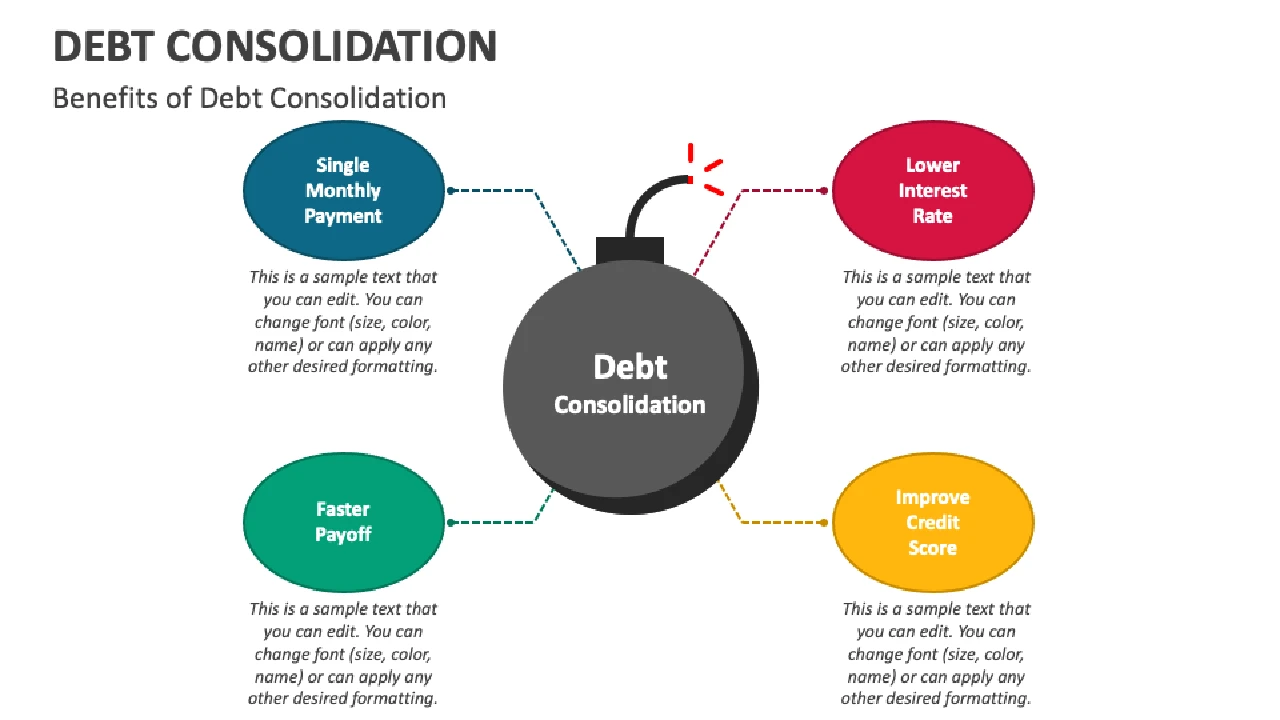
This is arguably the biggest benefit. By eliminating or drastically reducing interest payments for a set period, you can save hundreds, even thousands, of dollars. This means your payments are more effective, and you can pay down your principal balance much quicker. Think of it as a financial breathing room, giving you a chance to get ahead of your debt.
Simplified Payments One Monthly Bill to Manage
Juggling multiple credit card payments with different due dates and interest rates can be a headache. A balance transfer consolidates all that into one single monthly payment to one issuer. This simplifies your financial life, reduces the chances of missing a payment, and makes budgeting much easier.
Improved Credit Utilization Ratio Boosting Your Credit Score
When you transfer balances, your old cards will show a zero balance (or significantly reduced balance), which can lower your overall credit utilization ratio (the amount of credit you're using compared to your total available credit). A lower utilization ratio is generally good for your credit score. However, be careful not to close those old accounts immediately, as that could reduce your total available credit and potentially hurt your score.
A Clear Debt Repayment Plan Setting Financial Goals
The introductory period acts as a deadline. This can be a powerful motivator to create and stick to a strict repayment plan. Knowing you have a limited time to pay off the debt interest-free can help you focus your efforts and make paying off the balance a top priority.
The Cons of Using Balance Transfer Credit Cards for Debt Consolidation
It's not all sunshine and rainbows. There are some serious downsides and risks to consider before jumping in.
The Balance Transfer Fee An Upfront Cost to Consider
As discussed, most cards charge a fee, typically 3% to 5% of the transferred amount. While it can be worth it for the interest savings, it's still an additional cost you need to factor into your budget. For example, transferring $10,000 with a 3% fee means an immediate $300 added to your new balance.
The Introductory APR Expiration The Post Promotional Rate Shock
This is perhaps the biggest trap. If you don't pay off the entire transferred balance before the promotional period ends, the remaining balance will accrue interest at the card's standard variable APR, which can be quite high. This can quickly negate any savings you achieved during the introductory period and leave you in a worse position than before.
Credit Score Impact Potential Short Term Dips and Hard Inquiries
Applying for a new credit card results in a hard inquiry on your credit report, which can cause a slight, temporary dip in your credit score. Additionally, if the new card significantly increases your overall credit limit, it could initially lower your average age of accounts, another factor in your credit score. While often beneficial in the long run, be aware of these short-term effects.
The Temptation to Accumulate New Debt Avoiding the Debt Cycle
One of the most dangerous aspects is the temptation to use your newly freed-up credit on your old cards. If you transfer balances and then start spending on the old cards again, you'll end up with even more debt than you started with. This is a common pitfall and requires significant discipline.
Credit Limit Limitations Not All Debt May Be Transferable
The credit limit on your new balance transfer card might not be high enough to cover all your existing debt. This means you might only be able to transfer a portion of your balances, leaving you with multiple cards to manage anyway. Always check the potential credit limit before committing.
Who Should Consider a Balance Transfer Card and Who Should Avoid It
This strategy isn't for everyone. It's crucial to assess your financial situation honestly.
Ideal Candidates for Balance Transfer Cards Strong Credit and Discipline
Balance transfer cards are best suited for individuals with good to excellent credit scores (typically 670+). This increases your chances of approval for a card with a generous credit limit and a long 0% APR period. More importantly, you need to have the discipline and a solid plan to pay off the transferred balance before the introductory period expires. If you're confident you can make consistent, larger-than-minimum payments, this could be a great tool.
When Balance Transfers Might Not Be the Best Option Existing Spending Habits and Low Credit Scores
If you have a history of overspending, struggle with budgeting, or tend to carry balances month-to-month, a balance transfer card could be a dangerous proposition. The risk of accumulating new debt on old cards is too high. Similarly, if your credit score is fair or poor, you might not qualify for the best balance transfer offers, or you might only get a short introductory period with a high balance transfer fee. In these cases, other debt relief options like debt management plans or even debt settlement might be more appropriate.
Top Balance Transfer Credit Card Recommendations for 2024 Specific Products and Features
Let's look at some of the leading balance transfer cards available in the US market. Remember, eligibility and terms can change, so always check the issuer's website for the most current information.
Citi Simplicity Card Extended 0% APR Period and No Late Fees
* Introductory APR: Often offers one of the longest 0% intro APR periods on balance transfers, sometimes up to 21 months. This is a huge advantage for those who need more time to pay off their debt.
* Balance Transfer Fee: Typically 3% or 5% of the amount transferred, with a minimum of $5.
* Annual Fee: $0
* Unique Features: No late fees and no penalty rate, which can be a lifesaver if you accidentally miss a payment. This card is all about simplicity and giving you breathing room.
* Ideal User: Someone with a good credit score who needs a long runway to pay off a significant balance and appreciates the peace of mind of no late fees.
Discover it Balance Transfer Card Cashback Rewards and 0% APR
* Introductory APR: Usually offers a competitive 0% intro APR on balance transfers for 14-18 months.
* Balance Transfer Fee: Typically 3% of the amount transferred.
* Annual Fee: $0
* Unique Features: Earns 5% cash back on rotating bonus categories each quarter (up to a quarterly maximum, then 1%) and unlimited 1% cash back on all other purchases. Discover also matches all the cash back you've earned at the end of your first year, automatically. This means you can earn rewards while paying down debt.
* Ideal User: Someone with good to excellent credit who wants to consolidate debt but also wants to earn rewards on new purchases (responsibly!) after the transfer, or on everyday spending.
BankAmericard Credit Card Solid 0% APR and No Annual Fee
* Introductory APR: Offers a competitive 0% intro APR on balance transfers for 18 months.
* Balance Transfer Fee: Typically 3% of the amount transferred.
* Annual Fee: $0
* Unique Features: A straightforward balance transfer card with no frills, focusing purely on the 0% APR period. It's a solid choice for those who just want to consolidate and pay down debt without worrying about rewards programs.
* Ideal User: Someone with good credit looking for a simple, effective tool to consolidate debt with a decent introductory period.
Wells Fargo Reflect Card Longest 0% APR Period Potential for Extension
* Introductory APR: Offers one of the longest 0% intro APR periods on balance transfers, often 18 months, with the potential to extend for an additional 3 months if you make on-time minimum payments during the introductory period. This could give you up to 21 months total.
* Balance Transfer Fee: Typically 5% of the amount transferred, with a minimum of $5.
* Annual Fee: $0
* Unique Features: The potential for an extended 0% APR period is a significant advantage, offering even more time to pay down your debt interest-free.
* Ideal User: Someone with good to excellent credit who needs the absolute maximum time to pay off a large balance and is committed to making on-time payments.
Chase Slate Edge Credit Card Lower APR After Intro Period and Credit Limit Increase Potential
* Introductory APR: Offers a 0% intro APR on balance transfers for 18 months.
* Balance Transfer Fee: Typically 3% of the amount transferred during the first 60 days, then 5% after that.
* Annual Fee: $0
* Unique Features: After the intro period, you can automatically be considered for an APR reduction by making on-time payments and spending $1,000 on your card by your next account anniversary. You can also be considered for a credit limit increase after making on-time payments and spending $500 on your card in your first six months.
* Ideal User: Someone with good to excellent credit who wants a solid intro APR period and appreciates the potential for a lower ongoing APR and credit limit increases down the line.
Strategic Use of Balance Transfer Cards Maximizing Your Savings
Getting the card is just the first step. How you use it determines your success.
Creating a Detailed Repayment Plan Budgeting for Success
Before you even apply, calculate exactly how much you need to pay each month to clear the balance before the 0% APR period ends. Divide your total transferred balance (plus the transfer fee) by the number of months in your introductory period. This is your target monthly payment. Build this into your budget and commit to it. Automate payments if possible to avoid missing due dates.
Avoiding New Debt on Old and New Cards Discipline is Key
This cannot be stressed enough. Once you transfer balances, resist the urge to use your old cards. Consider putting them away or even freezing them (literally, in a block of ice!) to remove temptation. And be mindful of new spending on your balance transfer card. While some cards offer rewards, the primary goal is debt consolidation, not accumulating more debt.
Monitoring Your Progress and Credit Score Staying on Track
Regularly check your statements and your credit report. Make sure your payments are being applied correctly and that your old balances are indeed paid off. Monitoring your credit score can also be motivating as you see it improve with responsible debt management.
What to Do if You Can't Pay Off the Balance Before the Intro Period Ends Planning for the Inevitable
Life happens, and sometimes you might not be able to pay off the entire balance. If you realize this is the case, start planning early. You might consider transferring the remaining balance to another balance transfer card (if you can find one with a new 0% offer and can afford another transfer fee). Alternatively, explore other debt relief options like a personal loan or a debt management plan before the high interest kicks in.
Alternatives to Balance Transfer Credit Cards Exploring Other Debt Consolidation Options
Balance transfers are great, but they're not the only game in town. It's wise to consider other options, especially if a balance transfer isn't a good fit for your situation.
Personal Loans for Debt Consolidation Fixed Rates and Predictable Payments
Personal loans offer a lump sum of money that you use to pay off your existing debts. They typically come with a fixed interest rate and a fixed repayment schedule, making your monthly payments predictable. This can be a good option if you have a good credit score and want a longer repayment period than a balance transfer card offers, or if you have debt that can't be transferred to a credit card (like medical debt or personal loans).
Debt Management Plans Credit Counseling and Lower Interest Rates
Offered by non-profit credit counseling agencies, a Debt Management Plan (DMP) involves the agency negotiating with your creditors to lower your interest rates and waive fees. You then make one monthly payment to the agency, which distributes the funds to your creditors. DMPs are often suitable for those with fair to poor credit who struggle with budgeting and need structured support. They don't involve taking on new debt.
Debt Settlement Negotiating for a Lower Principal
Debt settlement involves negotiating with your creditors to pay back a portion of what you owe, rather than the full amount. This can significantly reduce your debt, but it comes with serious consequences, including a major negative impact on your credit score for several years. It's generally considered a last resort before bankruptcy and is best pursued with the help of a reputable debt settlement company.
Home Equity Loans or HELOCs Leveraging Your Home Equity
If you're a homeowner with significant equity, you might consider a home equity loan or a Home Equity Line of Credit (HELOC). These typically offer lower interest rates because your home serves as collateral. However, they come with the significant risk of losing your home if you can't make payments. This option should be approached with extreme caution.
Making the Right Choice for Your Financial Future Informed Decisions
Choosing the right debt consolidation strategy depends entirely on your individual financial situation, credit score, discipline, and goals. A balance transfer credit card can be an incredibly powerful tool for saving money and accelerating your debt repayment, especially if you have good credit and a solid plan to pay off the balance before the promotional period ends. However, it's not without its risks, particularly the temptation to accumulate new debt and the potential for high interest rates after the introductory period.
Take the time to research, compare offers, and honestly assess your ability to stick to a repayment plan. Don't be afraid to seek advice from a non-profit credit counselor if you're unsure. The goal is to get out of debt and stay out of debt, building a stronger, more secure financial future for yourself.

:max_bytes(150000):strip_icc()/277019-baked-pork-chops-with-cream-of-mushroom-soup-DDMFS-beauty-4x3-BG-7505-5762b731cf30447d9cbbbbbf387beafa.jpg)