The Role of Credit Score in Debt Consolidation Loan Approval
Understand how your credit score impacts your eligibility and interest rates for debt consolidation loans and how to improve it.

Understand how your credit score impacts your eligibility and interest rates for debt consolidation loans and how to improve it.
The Role of Credit Score in Debt Consolidation Loan Approval
Hey there! Thinking about debt consolidation? That's a smart move for many folks looking to get a handle on their finances. But before you dive in, there's one super important thing you need to understand: your credit score. It's not just some random number; it's a huge factor in whether you get approved for a debt consolidation loan and, perhaps even more importantly, what kind of interest rate you'll end up paying. Let's break down why your credit score matters so much and what you can do to make it work for you.
Credit Score Basics Understanding Your Financial Report Card
First things first, what exactly is a credit score? Think of it as your financial report card. It's a three-digit number, usually ranging from 300 to 850, that lenders use to assess your creditworthiness. A higher score generally means you're a lower risk to lenders, while a lower score suggests a higher risk. This score is calculated based on the information in your credit report, which details your borrowing and repayment history. Key factors include your payment history, amounts owed, length of credit history, new credit, and credit mix.
In the US, the most common credit scoring models are FICO and VantageScore. While they use slightly different methodologies, they both aim to give lenders a quick snapshot of your financial reliability. In Southeast Asia, credit scoring systems can vary by country, but the underlying principles are similar: lenders want to know if you're likely to repay what you borrow.
Why Your Credit Score is a Big Deal for Debt Consolidation Loans
When you apply for a debt consolidation loan, lenders are essentially taking a risk on you. They're giving you a lump sum of money to pay off your existing debts, and they want to be confident that you'll pay them back. Your credit score is their primary tool for making that assessment. Here's how it plays out:
Loan Approval Chances Credit Score Thresholds
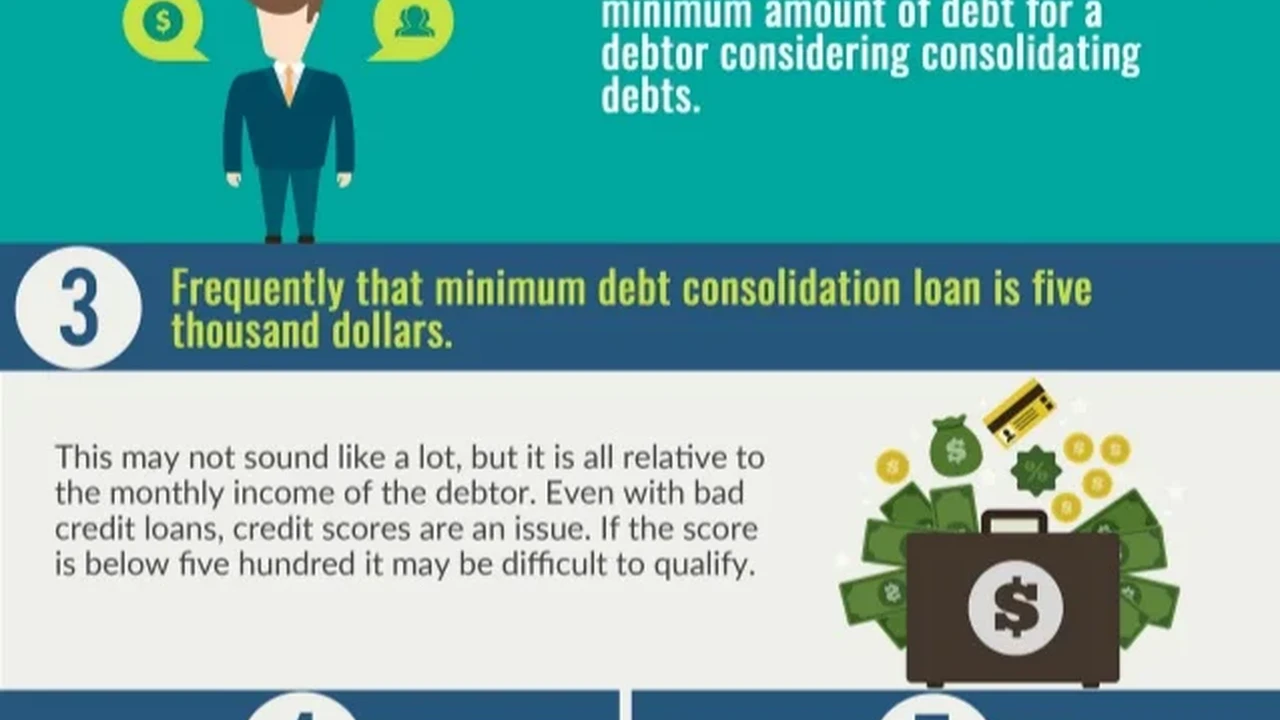
Simply put, a good credit score significantly increases your chances of getting approved for a debt consolidation loan. Lenders often have minimum credit score requirements. If your score falls below that threshold, your application might be rejected outright. For example, many prime lenders in the US look for scores in the 'good' to 'excellent' range (typically 670 and above). In some Southeast Asian markets, while specific numbers might differ, the principle remains: stronger credit, better chances.
Interest Rates The Cost of Borrowing
This is where your credit score can really save or cost you a lot of money. Lenders offer their best interest rates to borrowers with excellent credit scores because they're considered the least risky. If your score is lower, you'll likely be offered a higher interest rate to compensate the lender for the increased risk. Over the life of a loan, even a few percentage points difference in interest can translate into thousands of dollars. The whole point of debt consolidation is often to get a lower interest rate, so a good credit score is paramount here.
Loan Terms and Amounts Flexibility and Limits
Beyond approval and interest rates, your credit score can also influence the loan terms you're offered. With a strong credit score, you might qualify for a longer repayment period, which can lower your monthly payments, or a larger loan amount, allowing you to consolidate more debt. Conversely, a lower score might limit your options to shorter terms or smaller loan amounts, which might not fully address your consolidation needs.
What's a Good Credit Score for Debt Consolidation
While there's no single magic number, here's a general breakdown of what lenders typically consider:
- Excellent (780-850 FICO): You're a lender's dream! You'll likely qualify for the best rates and terms available.
- Very Good (740-779 FICO): Still in a fantastic position. You'll get very competitive offers.
- Good (670-739 FICO): This is generally the sweet spot for most debt consolidation loans. You'll have a good selection of lenders and reasonable rates.
- Fair (580-669 FICO): You might still qualify, but expect higher interest rates and fewer options. Some lenders specialize in this range.
- Poor (300-579 FICO): Approval will be challenging, and if you do get a loan, the interest rates will be very high. You might need to explore alternatives or work on improving your score first.
Remember, these are general guidelines for the US. In Southeast Asia, credit scoring models and thresholds can vary. For instance, in Singapore, credit scores from Credit Bureau Singapore (CBS) range from 1000 to 2000, with higher scores indicating lower risk. In Malaysia, CTOS and Experian are key players, and their scoring systems have their own nuances. Always check with local financial institutions for specific requirements in your region.
Improving Your Credit Score Strategies for Better Loan Offers
If your credit score isn't where you want it to be, don't despair! There are concrete steps you can take to improve it, which will not only help with debt consolidation but also with your overall financial health. This isn't an overnight fix, but consistent effort pays off.
Payment History The Foundation of Good Credit
This is the single most important factor in your credit score. Make sure you pay all your bills on time, every time. Even one late payment can ding your score. Set up automatic payments or reminders to ensure you never miss a due date. If you've missed payments in the past, start a consistent on-time payment record now; its positive impact will grow over time.
Credit Utilization Keep It Low
This refers to the amount of credit you're using compared to your total available credit. For example, if you have a credit card with a $10,000 limit and you've charged $3,000, your utilization is 30%. Experts recommend keeping your credit utilization below 30% across all your credit accounts. Lower is even better. If you can pay down some of your credit card balances before applying for a consolidation loan, it could give your score a nice boost.
Length of Credit History Time is Your Friend
The longer you've had credit accounts open and in good standing, the better. This shows lenders you have a proven track record. Avoid closing old credit accounts, even if you don't use them much, as this can shorten your average credit history and reduce your available credit, thus increasing your utilization ratio.
Credit Mix Diversify Responsibly
Having a mix of different types of credit (e.g., credit cards, installment loans like car loans or mortgages) can positively impact your score, as it shows you can manage various forms of credit responsibly. However, don't open new accounts just for the sake of diversity; only take on credit you genuinely need and can manage.
New Credit Applications Be Strategic
Each time you apply for new credit, a 'hard inquiry' is placed on your credit report, which can temporarily lower your score by a few points. While a single inquiry isn't a big deal, multiple inquiries in a short period can signal to lenders that you might be in financial distress. Be selective about when and where you apply for new credit.
Check Your Credit Report Regularly Spot Errors
Mistakes on your credit report can negatively impact your score. Get into the habit of checking your credit report from all major bureaus (Experian, Equifax, TransUnion in the US; local bureaus in Southeast Asia) at least once a year. If you find any errors, dispute them immediately. Correcting inaccuracies can sometimes significantly improve your score.
Debt Consolidation Loan Options Based on Credit Score
Your credit score will largely dictate which types of debt consolidation loans are most accessible and beneficial for you. Let's look at some common options and how they align with different credit profiles.
Personal Loans for Debt Consolidation Best for Good to Excellent Credit
These are unsecured loans, meaning they don't require collateral. They're a popular choice for debt consolidation because they offer a fixed interest rate and a predictable repayment schedule. Lenders typically look for good to excellent credit scores (670+ FICO) for the most favorable terms. If your score is in this range, you'll have access to competitive rates and a wide array of lenders.
Recommended Products and Scenarios:
- SoFi Personal Loans: Known for competitive rates for borrowers with excellent credit (typically 700+ FICO). They offer loans from $5,000 to $100,000 with terms from 2 to 7 years. Ideal for consolidating high-interest credit card debt or multiple smaller loans. Example Scenario: You have a 750 FICO score and $20,000 in credit card debt at 18% APR. SoFi might offer you a 7% APR loan, saving you significant interest.
- LightStream Personal Loans: Offers some of the lowest rates in the industry, but requires excellent credit (typically 700+ FICO) and a strong financial history. They offer loans from $5,000 to $100,000 with flexible terms. Great for those with top-tier credit looking for the absolute best rates. Example Scenario: With an 800 FICO score and $30,000 in various debts, LightStream could provide a loan at 5.99% APR, drastically reducing your monthly payments and total interest.
- Marcus by Goldman Sachs: A solid option for good to excellent credit (typically 660+ FICO). They offer no fees and competitive rates. Loans range from $3,500 to $40,000 with terms from 3 to 6 years. Good for consolidating medium-sized debts without worrying about hidden costs. Example Scenario: You have a 690 FICO score and $15,000 in medical bills and a personal loan. Marcus could offer a 9% APR loan, simplifying your payments.
Balance Transfer Credit Cards Good for Good to Excellent Credit, Shorter Term Debt
These cards offer an introductory 0% APR period (often 12-21 months) on transferred balances. If you can pay off your debt within this promotional period, it's essentially an interest-free loan. However, you typically need good to excellent credit to qualify for the best balance transfer offers, and there's usually a balance transfer fee (around 3-5% of the transferred amount).
Recommended Products and Scenarios:
- Chase Slate Edge: Often offers a long 0% intro APR period on balance transfers and purchases, with no annual fee. Requires good to excellent credit (typically 670+ FICO). Example Scenario: You have $8,000 in credit card debt and a 720 FICO score. Transferring it to a Chase Slate Edge card with an 18-month 0% APR could allow you to pay it off without accruing any new interest, provided you make consistent payments.
- Citi Simplicity Card: Known for one of the longest 0% intro APR periods on balance transfers (sometimes up to 21 months). Also requires good to excellent credit. Example Scenario: With $10,000 in credit card debt and a 700 FICO score, the Citi Simplicity card could give you ample time to pay down the principal without interest charges.
Home Equity Loans or HELOCs Leveraging Your Home Equity
If you're a homeowner with significant equity, a home equity loan or a Home Equity Line of Credit (HELOC) can be an option. These are secured loans, meaning your home acts as collateral. They typically offer lower interest rates than unsecured personal loans because the risk to the lender is lower. However, the major downside is that you're putting your home at risk if you can't make payments. These are generally available to homeowners with good credit and sufficient equity.
Recommended Products and Scenarios:
- Local Banks/Credit Unions: Often offer competitive rates for home equity products. For example, Bank of America Home Equity Loan or Wells Fargo Home Equity Line of Credit. These are best for homeowners with good credit (680+ FICO) and substantial equity. Example Scenario: You own a home worth $300,000 with a $150,000 mortgage balance and have $40,000 in high-interest debt. A home equity loan at 6% APR could consolidate this debt, but remember the risk to your home.
Debt Consolidation Loans for Fair to Bad Credit More Specialized Options
If your credit score is in the fair (580-669 FICO) or poor (below 580 FICO) range, your options become more limited, and interest rates will be significantly higher. However, there are still avenues to explore.
Recommended Products and Scenarios:
- Avant Personal Loans: Caters to borrowers with fair to good credit (typically 580+ FICO). They offer loans from $2,000 to $35,000 with terms from 2 to 5 years. While rates are higher than prime lenders, they can be a viable option for those with less-than-perfect credit. Example Scenario: You have a 620 FICO score and $10,000 in various debts. Avant might offer a loan at 20% APR, which is high but could still be lower than your current credit card rates, and it simplifies payments.
- Upgrade Personal Loans: Similar to Avant, Upgrade works with borrowers across a range of credit scores, including fair credit (typically 600+ FICO). They offer loans from $1,000 to $50,000 with terms from 2 to 7 years. They also offer a secured loan option using a car as collateral, which can help lower rates for those with lower scores. Example Scenario: With a 600 FICO score and $7,000 in high-interest debt, Upgrade could provide a loan at 25% APR. If you have a car with equity, a secured loan might drop that to 18-20% APR.
- Credit Unions: Often more forgiving than traditional banks, credit unions may offer debt consolidation loans to members with fair credit. Their rates can be competitive, and they often look at your overall financial picture, not just your score. Membership is usually required. Example Scenario: If you're a member of a local credit union and have a 640 FICO score, they might offer a personal loan at 15% APR for $12,000, which could be better than what online lenders offer for similar scores.
- Secured Personal Loans: If you have an asset like a car or savings account, you might be able to get a secured personal loan. The collateral reduces the lender's risk, making them more willing to approve borrowers with lower credit scores and offer lower rates. Example Scenario: You have a 550 FICO score but own a car outright. A secured loan using your car as collateral could get you a $5,000 loan at 15% APR, whereas an unsecured loan would be nearly impossible or have rates above 30%.
Peer-to-Peer Lending Platforms Alternative for Various Credit Scores
Platforms like Prosper and LendingClub connect borrowers directly with investors. They can be an option for a wider range of credit scores, though those with better credit will still get the best rates. They often have lower overheads than traditional banks, which can sometimes translate to better rates for borrowers.
Recommended Products and Scenarios:
- LendingClub: Offers loans from $1,000 to $40,000 with terms from 3 to 5 years. They consider credit scores as low as 600, making them accessible to a broader audience. Example Scenario: You have a 630 FICO score and $10,000 in credit card debt. LendingClub could offer a loan at 18% APR, which, while not the lowest, might be better than your current credit card rates and provides a fixed payment.
- Prosper: Similar to LendingClub, Prosper offers loans from $2,000 to $50,000 with terms from 3 to 5 years. They also cater to a range of credit scores, typically starting around 640. Example Scenario: With a 650 FICO score and $15,000 in various debts, Prosper might offer a loan at 16% APR, consolidating your payments into one manageable monthly sum.
What to Do If Your Credit Score is Too Low
If your credit score is currently too low to qualify for a beneficial debt consolidation loan, don't give up! Here are some alternative strategies:
Focus on Credit Repair First
Prioritize improving your credit score before applying for a loan. Follow the steps outlined above: pay bills on time, reduce credit utilization, and dispute errors. Even a few months of diligent effort can make a difference.
Consider a Secured Loan
If you have an asset like a car or savings account, a secured personal loan might be an option. The collateral reduces the lender's risk, making them more willing to approve borrowers with lower credit scores and offer lower rates.
Debt Management Plan (DMP)
Offered by non-profit credit counseling agencies, a DMP involves the agency negotiating with your creditors to lower interest rates and waive fees. You make one monthly payment to the agency, and they distribute it to your creditors. This doesn't require a good credit score and can help you get out of debt, though it's not a loan.
Borrow with a Co-signer
If you have a trusted friend or family member with excellent credit who is willing to co-sign for you, this can significantly improve your chances of approval and help you secure a lower interest rate. However, remember that the co-signer is equally responsible for the debt, so this should only be done with careful consideration and clear communication.
Small Personal Loans from Local Banks or Credit Unions
Sometimes, local institutions are more willing to work with individuals who have a relationship with them, even if their credit score isn't perfect. They might offer smaller loans with slightly higher rates, but it could be a stepping stone.
The Long-Term View Maintaining Good Credit Post-Consolidation
Getting a debt consolidation loan is a fantastic step, but it's just the beginning. To truly benefit, you need to maintain good credit and responsible financial habits afterward. Continue to make all your loan payments on time, keep your credit utilization low on any remaining credit cards, and avoid taking on new unnecessary debt. Your credit score is a dynamic number, and consistent positive behavior will ensure it stays healthy, opening doors to better financial opportunities in the future.
Understanding and managing your credit score is a fundamental part of your financial journey, especially when considering something as impactful as debt consolidation. By taking proactive steps to improve and maintain a strong credit profile, you're not just getting a better loan; you're building a more secure financial future for yourself.
:max_bytes(150000):strip_icc()/277019-baked-pork-chops-with-cream-of-mushroom-soup-DDMFS-beauty-4x3-BG-7505-5762b731cf30447d9cbbbbbf387beafa.jpg)