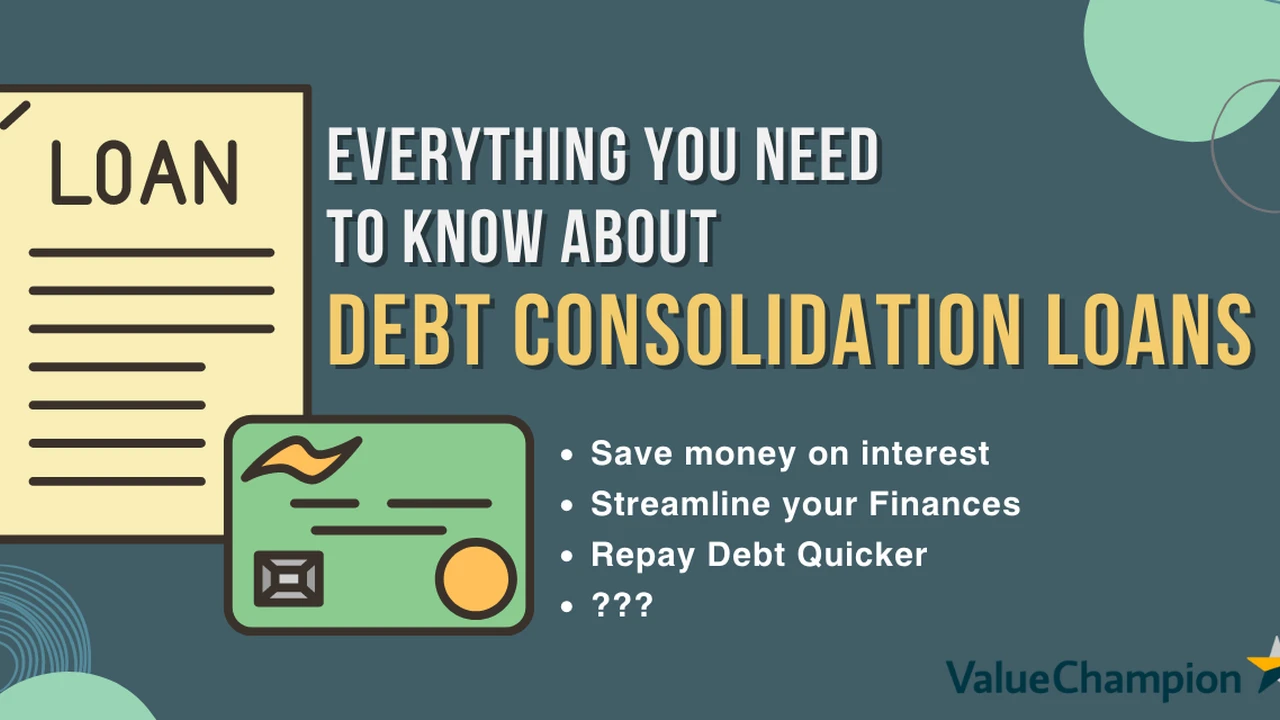
Debt Consolidation for Small Business Owners A Guide
Discover how small business owners can leverage debt consolidation to manage personal and business debts more efficiently.
Discover how small business owners can leverage debt consolidation to manage personal and business debts more efficiently.
Debt Consolidation for Small Business Owners A Guide
Running a small business is a dream for many, but it often comes with a significant financial tightrope walk. You're juggling inventory, payroll, marketing, and unexpected expenses, all while trying to grow your venture. It's no surprise that many small business owners find themselves accumulating various types of debt, both personal and business-related. This is where debt consolidation for small business owners can become a game-changer. It's not just about simplifying payments; it's about regaining control, reducing stress, and freeing up capital to invest back into your business.
In this comprehensive guide, we'll dive deep into how debt consolidation works for small business owners, exploring the different types of debt you might be facing, the various consolidation options available, and practical advice on choosing the best path for your unique situation. We'll also look at specific product recommendations, use cases, and even delve into pricing considerations to help you make an informed decision.
Understanding Small Business Debt Types and Challenges
Before we talk about consolidation, let's identify the common types of debt that small business owners often encounter. Understanding these will help you pinpoint which debts are suitable for consolidation and which might require a different approach.
Common Business Debts for Small Business Owners
- Business Credit Card Debt: Often used for day-to-day expenses, inventory purchases, or bridging cash flow gaps. These typically come with high interest rates.
- Term Loans: Traditional bank loans or online lender loans used for specific purposes like equipment purchases, expansion, or working capital.
- Lines of Credit: Flexible borrowing options that allow businesses to draw funds as needed, often used for short-term cash flow management.
- Merchant Cash Advances MCAs: High-cost, short-term advances based on future credit card sales. These can be very expensive and difficult to repay.
- Equipment Financing: Loans specifically for purchasing business equipment, often secured by the equipment itself.
- Accounts Payable: Money owed to suppliers and vendors, which can sometimes accumulate and become a form of short-term debt.
Common Personal Debts for Small Business Owners
It's common for small business owners to blur the lines between personal and business finances, especially in the early stages. This can lead to personal debts being used to support the business.
- Personal Credit Card Debt: Used when business credit is unavailable or maxed out, or for personal expenses that become intertwined with business needs.
- Personal Loans: Taken out to inject capital into the business or cover personal expenses while the business grows.
- Home Equity Loans or HELOCs: Leveraging personal assets to fund business operations, which carries significant risk.
The Challenges of Managing Multiple Debts for Small Business Owners
Managing multiple debts, each with different interest rates, payment schedules, and terms, can be overwhelming. This complexity often leads to:
- High-Interest Payments: Especially with business credit cards and MCAs, interest can quickly eat into profits.
- Cash Flow Strain: Multiple payments throughout the month can make cash flow management a nightmare.
- Increased Stress: The constant worry about debt can impact your focus and decision-making for the business.
- Difficulty in Strategic Planning: When you're constantly putting out financial fires, it's hard to plan for growth.
What is Debt Consolidation for Small Business Owners and How Does It Work
Debt consolidation for small business owners involves taking out a new loan or credit facility to pay off several existing debts. The goal is to combine multiple payments into a single, more manageable monthly payment, often with a lower interest rate or more favorable terms. This simplifies your financial obligations and can significantly reduce the total amount you pay over time.
The Core Benefits of Debt Consolidation for Small Business Owners
- Simplified Payments: Instead of tracking multiple due dates and amounts, you have one payment to remember.
- Potentially Lower Interest Rates: If you qualify for a consolidation loan with a lower interest rate than your existing debts, you'll save money.
- Reduced Monthly Payments: A longer repayment term can lead to lower monthly payments, improving cash flow.
- Clearer Path to Debt Freedom: A single, structured repayment plan makes it easier to track progress and stay motivated.
- Improved Credit Score (Eventually): Consistently making on-time payments on a consolidated loan can positively impact your credit score over time.
Debt Consolidation Options for Small Business Owners
Small business owners have several avenues to explore when considering debt consolidation. The best option depends on your credit score, the amount of debt, your business's financial health, and whether the debt is personal or business-related.
Business Debt Consolidation Loans for Small Business Owners
These are specifically designed for businesses to consolidate their existing business debts. They can be secured or unsecured.
Unsecured Business Debt Consolidation Loans for Small Business Owners
These loans don't require collateral, making them less risky for the borrower but often harder to qualify for or carrying higher interest rates. Lenders typically look for strong business financials, good credit scores (both personal and business), and a solid repayment history.
- Use Case: Consolidating high-interest business credit card debt, multiple small business loans, or MCAs.
- Pros: No collateral required, can simplify multiple business debts.
- Cons: Higher interest rates than secured loans, stricter eligibility requirements.
Secured Business Debt Consolidation Loans for Small Business Owners
These loans require collateral, such as real estate, equipment, or accounts receivable. The collateral reduces the lender's risk, often resulting in lower interest rates and more favorable terms.
- Use Case: Businesses with valuable assets that can be used as collateral, looking for lower interest rates.
- Pros: Lower interest rates, potentially larger loan amounts, easier to qualify for.
- Cons: Risk of losing collateral if you default on the loan.
Personal Loans for Debt Consolidation for Small Business Owners
If a significant portion of your debt is personal or if your business credit isn't strong enough for a business loan, a personal loan can be a viable option. These are typically unsecured and based on your personal creditworthiness.
- Use Case: Consolidating personal credit card debt used for business, or small personal loans.
- Pros: Can have lower interest rates than credit cards, fixed monthly payments.
- Cons: Impacts personal credit, may not be large enough for significant business debt.
Balance Transfer Credit Cards for Small Business Owners
Some business credit cards offer 0% APR balance transfer promotions for an introductory period. This can be an excellent way to consolidate high-interest credit card debt and pay it down without accruing interest for a set time.
- Use Case: Consolidating high-interest business credit card debt.
- Pros: 0% APR for an introductory period, can save a lot on interest.
- Cons: Introductory period is temporary, balance must be paid off before APR reverts to a high rate, balance transfer fees.
Home Equity Loans or HELOCs for Small Business Owners
If you own a home, you can leverage your home equity to consolidate debt. A home equity loan provides a lump sum, while a Home Equity Line of Credit (HELOC) offers a revolving line of credit. These typically have lower interest rates because they are secured by your home.
- Use Case: Consolidating large amounts of personal or business debt, especially if you have significant home equity.
- Pros: Low interest rates, potentially tax-deductible interest (consult a tax advisor).
- Cons: Your home is collateral, meaning you could lose it if you default. This is a significant risk.
Choosing the Right Debt Consolidation Product for Your Small Business
Selecting the best debt consolidation solution requires careful consideration of your specific financial situation. Here's a breakdown of factors to weigh and some product recommendations.
Factors to Consider for Small Business Debt Consolidation
- Your Credit Score: Both personal and business credit scores play a crucial role. A higher score generally leads to better interest rates and terms.
- Amount of Debt: The total amount you need to consolidate will influence the type of loan you can get.
- Interest Rates: Compare the APR of the consolidation option to the average APR of your existing debts. The goal is to lower your overall interest burden.
- Loan Terms: Understand the repayment period. A longer term means lower monthly payments but more interest paid over time. A shorter term means higher monthly payments but less interest paid overall.
- Fees: Look out for origination fees, balance transfer fees, annual fees, and prepayment penalties.
- Collateral Requirements: Are you willing to put up collateral? If so, secured loans might offer better terms.
- Impact on Cash Flow: How will the new monthly payment affect your business's cash flow?
- Personal vs Business Debt: It's generally advisable to keep personal and business finances separate. If you're consolidating personal debt used for business, a personal loan might be more appropriate.
Recommended Debt Consolidation Products for Small Business Owners
Here are a few examples of products and providers that small business owners might consider, along with their typical use cases and pricing considerations. Please note that interest rates and terms are subject to change and depend heavily on individual creditworthiness and market conditions. Always get personalized quotes.
1. OnDeck Business Loans for Small Business Debt Consolidation
- Product Type: Unsecured Term Loans and Lines of Credit.
- Use Case: Consolidating high-interest business credit card debt, multiple small business loans, or MCAs. Good for businesses with at least one year in operation and a minimum annual revenue.
- Features: Quick application and funding, flexible repayment terms (up to 24 months for term loans, revolving for lines of credit).
- Pricing/Fees: Interest rates can range from 9% to 99% APR, depending on creditworthiness. Origination fees typically apply (2.5% to 4% for first-time borrowers, lower for repeat).
- Comparison: Faster funding than traditional banks, but potentially higher interest rates. Better for businesses needing quick access to capital for consolidation.
2. Funding Circle Small Business Loans for Debt Consolidation
- Product Type: Term Loans.
- Use Case: Consolidating larger amounts of business debt, such as multiple term loans or significant credit card balances. Suitable for established businesses with strong financials.
- Features: Loan amounts up to $500,000, repayment terms up to 7 years.
- Pricing/Fees: Interest rates typically range from 6.99% to 22.99% APR. Origination fees usually 3% to 7%.
- Comparison: Offers larger loan amounts and longer terms than some other online lenders, making it suitable for more substantial consolidation needs. Rates are generally competitive for qualified borrowers.
3. LightStream Personal Loans for Small Business Owners (for personal debt consolidation)
- Product Type: Unsecured Personal Loans.
- Use Case: Consolidating personal credit card debt or other personal loans that were used to support the business. Requires excellent personal credit.
- Features: Loans from $5,000 to $100,000, fixed rates, no fees, flexible terms up to 7 years.
- Pricing/Fees: APRs can be as low as 3.49% with AutoPay for excellent credit, up to around 19.99%. No origination fees or prepayment penalties.
- Comparison: One of the best options for excellent credit borrowers due to low rates and no fees. However, it's a personal loan, so it won't appear on your business credit report.
4. Chase Ink Business Preferred Credit Card (for balance transfers)
- Product Type: Business Credit Card with Balance Transfer Option.
- Use Case: Consolidating high-interest business credit card debt from other issuers. Best if you can pay off the transferred balance within the introductory APR period.
- Features: Often offers an introductory 0% APR on balance transfers for 12-18 months. Rewards program for business spending.
- Pricing/Fees: Balance transfer fees typically 3% to 5% of the transferred amount. After the intro period, APR can be 15.99% to 22.99% variable. Annual fee may apply.
- Comparison: Excellent for short-term debt consolidation if you can pay it off quickly. The 0% APR period is a huge advantage, but the balance transfer fee needs to be factored in.
5. SBA Loans (SBA 7a or SBA Express) for Small Business Debt Consolidation
- Product Type: Government-backed Term Loans.
- Use Case: Consolidating various types of business debt, including existing business loans, lines of credit, and even some business credit card debt. Ideal for established businesses with good credit and a solid business plan.
- Features: Lower interest rates, longer repayment terms (up to 10 years for working capital, 25 years for real estate), government guarantee reduces lender risk.
- Pricing/Fees: Interest rates are typically prime rate plus a spread (e.g., Prime + 2.75%). Guarantee fees apply (e.g., 2.25% for loans over $150,000).
- Comparison: Generally the most affordable option due to government backing, but the application process is more rigorous and takes longer than online lenders. Requires working with an SBA-approved lender.
The Application Process for Debt Consolidation for Small Business Owners
While the specifics vary by lender and product, the general application process for debt consolidation for small business owners follows a similar pattern.
Steps to Apply for Debt Consolidation for Small Business Owners
- Assess Your Debt: List all your debts, including the creditor, outstanding balance, interest rate, and minimum monthly payment.
- Check Your Credit: Obtain your personal and business credit reports and scores. This will give you an idea of what you might qualify for.
- Research Lenders and Products: Based on your debt profile and credit, research the options discussed above.
- Gather Documentation: Lenders will typically require:
- Business bank statements (last 6-12 months)
- Personal and business tax returns (last 2-3 years)
- Profit and Loss statements
- Balance sheets
- Business legal documents (e.g., articles of incorporation)
- Personal identification
- Apply: Submit your application, either online or in person. Be prepared for a credit check.
- Review Offers: Compare loan offers carefully, focusing on APR, fees, and repayment terms.
- Accept and Consolidate: Once approved, the funds will typically be disbursed directly to your creditors to pay off the old debts, or to your bank account for you to manage the payments.
Potential Pitfalls and How to Avoid Them in Small Business Debt Consolidation
While debt consolidation offers significant advantages, it's not without its risks. Being aware of these can help you navigate the process successfully.
Common Mistakes in Small Business Debt Consolidation
- Not Addressing the Root Cause: If you consolidate debt but don't change the spending habits or business practices that led to the debt, you'll likely accumulate new debt.
- Choosing the Wrong Product: Opting for a high-interest loan when you could qualify for a lower one, or using a personal loan for large business debt, can be detrimental.
- Ignoring Fees: Origination fees, balance transfer fees, and other charges can significantly increase the cost of consolidation.
- Extending Repayment Too Long: While a longer term means lower monthly payments, it also means paying more interest over the life of the loan.
- Not Reading the Fine Print: Always understand all terms and conditions, especially regarding variable interest rates or prepayment penalties.
- Falling for Scams: Be wary of companies promising guaranteed approval or asking for upfront fees before providing services.
Strategies for Successful Debt Consolidation for Small Business Owners
- Create a Strict Budget: Develop a detailed budget for your business and personal finances to ensure you can comfortably make the new consolidated payment and avoid new debt.
- Improve Cash Flow: Look for ways to increase revenue or reduce expenses in your business to strengthen your financial position.
- Separate Personal and Business Finances: If you haven't already, establish clear boundaries between your personal and business accounts and expenses.
- Build an Emergency Fund: Having a financial cushion can prevent you from relying on debt for unexpected expenses.
- Seek Professional Advice: Consider consulting with a financial advisor or a business debt counselor to help you evaluate your options and create a solid plan.
- Monitor Your Progress: Regularly review your consolidated loan statements and track your progress towards becoming debt-free.
The Long-Term Impact of Debt Consolidation on Your Small Business
Successfully consolidating your debt can have a profound and positive impact on your small business's future. It's not just about getting out of debt; it's about building a stronger, more resilient financial foundation.
Improved Business Credit Score for Small Business Owners
By consistently making on-time payments on your consolidated loan, you can gradually improve your business credit score. A better credit score opens doors to more favorable financing options in the future, such as lower interest rates on future loans or better terms with suppliers.
Enhanced Cash Flow and Profitability for Small Business Owners
With lower monthly payments and reduced interest expenses, your business will experience improved cash flow. This extra capital can be reinvested into growth initiatives, marketing, hiring, or simply provide a buffer for unexpected challenges. Ultimately, this can lead to increased profitability.
Reduced Stress and Increased Focus for Small Business Owners
The mental burden of managing multiple high-interest debts can be immense. Debt consolidation can significantly reduce this stress, allowing you to focus your energy and creativity on what you do best: running and growing your business. This improved mental clarity can lead to better decision-making and a more positive work environment.
Greater Financial Stability and Growth Potential for Small Business Owners
A streamlined debt structure provides greater financial stability. You'll have a clearer picture of your financial obligations, making it easier to plan for the future, invest in expansion, and seize new opportunities. This stability is crucial for long-term business growth and sustainability.
Debt consolidation for small business owners is a powerful financial tool that, when used wisely, can transform your business's financial health. By understanding your debt, exploring the available options, and making informed decisions, you can simplify your finances, reduce costs, and pave the way for a more prosperous future for your small business.
:max_bytes(150000):strip_icc()/277019-baked-pork-chops-with-cream-of-mushroom-soup-DDMFS-beauty-4x3-BG-7505-5762b731cf30447d9cbbbbbf387beafa.jpg)