Debt Settlement vs Debt Consolidation Understanding the Differences
Learn the key distinctions between debt settlement and debt consolidation to make an informed decision about your debt relief.

Learn the key distinctions between debt settlement and debt consolidation to make an informed decision about your debt relief.
Debt Settlement vs Debt Consolidation Understanding the Differences
Debt Relief Options Explained Debt Settlement and Debt Consolidation
Hey there! If you're drowning in debt, you've probably heard a few terms thrown around like 'debt settlement' and 'debt consolidation.' They sound pretty similar, right? Both aim to help you get out of debt, but they go about it in totally different ways. Understanding these differences is super important because choosing the wrong path could actually make your financial situation worse. So, let's break it down, plain and simple, so you can figure out which one, if either, is the right move for you.
What is Debt Consolidation How It Works to Simplify Your Payments
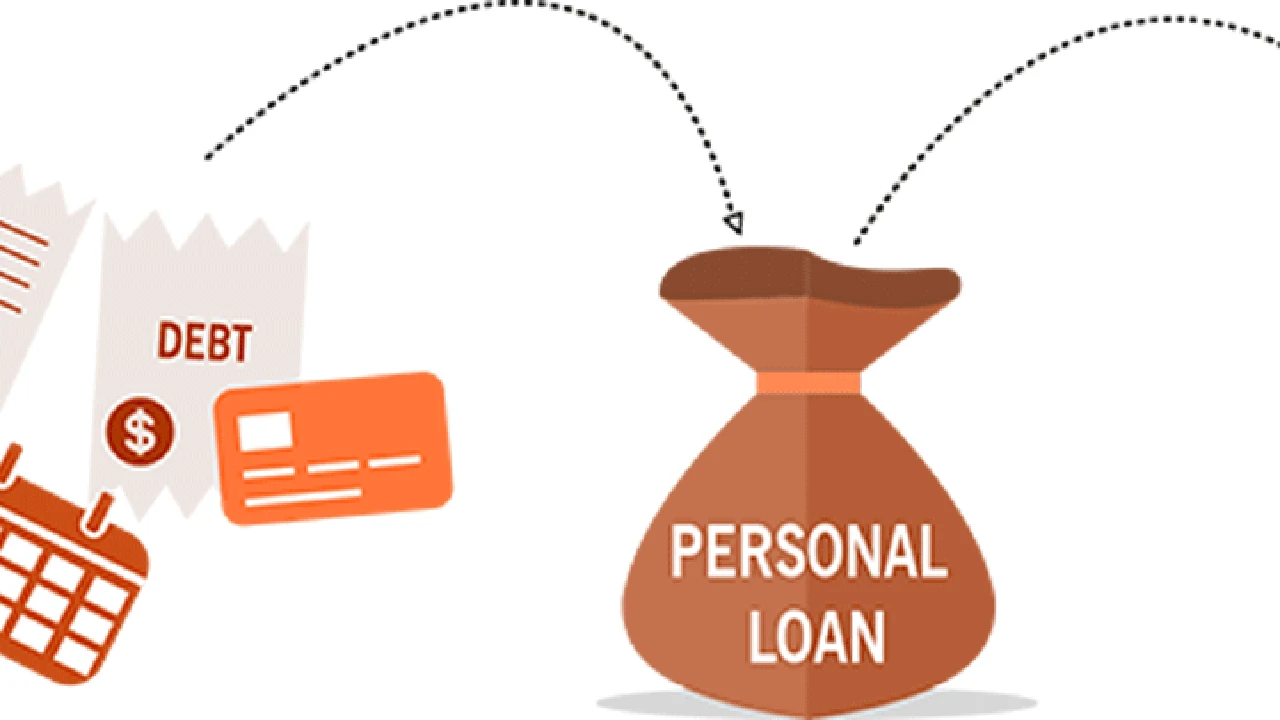
Let's start with debt consolidation. Think of it like this: you have a bunch of small debts – maybe a few credit cards, a personal loan, some medical bills – all with different interest rates and due dates. It's a headache to keep track of, and those high interest rates are just eating away at your payments. Debt consolidation is basically taking all those separate debts and rolling them into one single, larger loan. The goal? To get a lower interest rate and a single, more manageable monthly payment.
Types of Debt Consolidation Loans and Products
There are a few popular ways to consolidate debt:
- Personal Loans for Debt Consolidation: This is probably the most common. You take out an unsecured personal loan from a bank, credit union, or online lender. You use that loan to pay off all your smaller debts. Then, you just have one monthly payment to the personal loan lender. The interest rate on these loans is usually fixed, which is great for predictability.
- Balance Transfer Credit Cards: If you have really good credit, you might qualify for a balance transfer credit card. These cards often offer a 0% APR for an introductory period (usually 12-21 months). You transfer your high-interest credit card balances to this new card. The idea is to pay off as much as you can during that 0% period. Be careful though – if you don't pay it off in time, the interest rate can jump significantly, and there's usually a balance transfer fee (around 3-5% of the transferred amount).
- Home Equity Loans or HELOCs (Home Equity Lines of Credit): If you own a home and have equity in it, you can use that as collateral for a loan. Home equity loans give you a lump sum, while a HELOC is more like a credit card, allowing you to borrow as needed up to a certain limit. These usually have lower interest rates because they're secured by your home. But, and this is a big but, if you can't make the payments, you risk losing your home. So, this option comes with significant risk.
- Debt Management Plans (DMPs): While not strictly a 'consolidation loan,' DMPs offered by non-profit credit counseling agencies can consolidate your payments. The agency negotiates with your creditors for lower interest rates and waives fees, then you make one monthly payment to the agency, and they distribute it to your creditors. You're still paying back 100% of what you owe, but often with better terms.
Pros and Cons of Debt Consolidation for Financial Stability
Pros:
- Simpler Payments: One payment, one due date. Much easier to manage.
- Potentially Lower Interest Rates: If you qualify for a good consolidation loan, you could save a lot on interest, especially if you're currently carrying high-interest credit card debt.
- Fixed Repayment Schedule: Many consolidation loans have a clear end date, so you know exactly when you'll be debt-free.
- Credit Score Impact: If you make all your payments on time, it can actually help improve your credit score over time.
Cons:
- Requires Good Credit: The best rates and terms are usually reserved for those with good to excellent credit. If your credit isn't great, you might not get a rate much better than what you already have.
- Fees: Some loans come with origination fees, and balance transfer cards have transfer fees.
- Risk of More Debt: If you consolidate and then rack up new debt on your now-empty credit cards, you'll be in a worse position than before.
- Secured Loan Risk: Using your home as collateral is a serious risk.
What is Debt Settlement How It Works to Reduce Your Debt Amount
Now, let's talk about debt settlement. This is a completely different beast. Debt settlement involves negotiating with your creditors to pay back less than the full amount you owe. Sounds great, right? Well, it comes with some pretty significant downsides.
The Debt Settlement Process and Its Implications
Typically, you'd work with a debt settlement company. Here's how it usually goes:
- You stop making payments to your creditors. Instead, you make payments into a special savings account managed by the debt settlement company.
- As money builds up in that account, the debt settlement company negotiates with your creditors. Their goal is to convince the creditors to accept a lower lump sum payment than what you originally owed. Creditors might agree to this because they'd rather get something than nothing, especially if they think you might declare bankruptcy.
- Once a settlement is reached, the debt settlement company uses the money from your savings account to pay the creditor. They also take their fees from this account.
Pros and Cons of Debt Settlement for Severe Financial Distress
Pros:
- Pay Less Than You Owe: This is the big one. You could potentially reduce your total debt by a significant amount (often 40-60%).
- Avoid Bankruptcy: For some, it's a last resort before filing for bankruptcy.
Cons:
- Major Credit Score Damage: This is a huge hit. Your credit score will plummet because you'll be missing payments for months, sometimes years, while the settlement company builds up funds and negotiates. Settled accounts will also be reported on your credit report, which looks bad to future lenders. This negative mark can stay on your report for up to seven years.
- High Fees: Debt settlement companies charge substantial fees, often a percentage of the amount you save or the original debt amount. These fees can eat into your savings.
- No Guarantee of Success: Creditors are not obligated to settle. Some might refuse, and you could end up being sued for the full amount.
- Tax Implications: The amount of debt that is forgiven (the difference between what you owed and what you paid) is often considered taxable income by the IRS. This can lead to an unexpected tax bill.
- Aggressive Collections: While you're not paying your creditors, you'll likely face aggressive collection calls and possibly lawsuits.
Key Differences Debt Consolidation vs Debt Settlement at a Glance
Let's put them side-by-side to really highlight the differences:
- Goal:
- Consolidation: Simplify payments, potentially lower interest, pay off 100% of debt.
- Settlement: Pay less than 100% of debt.
- Credit Impact:
- Consolidation: Can be positive if managed well; initial slight dip from new credit inquiry.
- Settlement: Severely negative; significant drop in score, negative marks for years.
- Payment Status:
- Consolidation: You continue making payments on time.
- Settlement: You stop making payments to creditors, which damages credit.
- Fees:
- Consolidation: Origination fees, balance transfer fees.
- Settlement: High fees from settlement companies, often a percentage of savings or debt.
- Risk:
- Consolidation: Risk of accumulating new debt, risk of losing collateral if secured.
- Settlement: Risk of lawsuits, no guarantee of settlement, tax implications, severe credit damage.
- Suitability:
- Consolidation: For manageable debt, good to fair credit, desire to simplify and save on interest.
- Settlement: For overwhelming debt, near bankruptcy, willing to accept severe credit damage.
When to Choose Debt Consolidation Ideal Scenarios and Products
Debt consolidation is usually a better fit if:
- You have a decent credit score (at least fair, preferably good or excellent).
- Your debt is manageable, meaning you can realistically pay it off within a few years with a lower interest rate.
- You want to simplify your payments and potentially save money on interest.
- You're disciplined enough not to rack up new debt on your now-empty credit cards.
Recommended Debt Consolidation Products and Providers
Here are some popular and well-regarded options for debt consolidation, keeping in mind that rates and terms vary based on your creditworthiness and market conditions:
Personal Loan Providers for Debt Consolidation
These lenders are known for offering competitive rates and a straightforward application process. Always check your personalized rate without impacting your credit score first.
- LightStream:
- Overview: Known for offering some of the lowest rates for borrowers with excellent credit. They offer a wide range of loan amounts and terms.
- Use Case: Best for those with strong credit scores (typically 700+) who want a fixed-rate loan with flexible terms.
- Key Features: No origination fees, no prepayment penalties. Rates can be as low as 5.99% APR with AutoPay for excellent credit.
- Considerations: Strict credit requirements.
- Example Scenario: You have $15,000 in credit card debt at 18% APR. You get a LightStream loan for $15,000 at 7.99% APR over 3 years. Your monthly payment would be significantly lower, and you'd save thousands in interest.
- SoFi:
- Overview: Popular for its competitive rates, no fees, and unemployment protection. They cater to a wide range of credit scores, though the best rates go to those with good credit.
- Use Case: Good for individuals with good to excellent credit looking for a no-fee loan with potential for unemployment assistance.
- Key Features: No origination fees, no late fees, no prepayment penalties. Rates can start around 8.99% APR.
- Considerations: May require a higher income or specific employment history for the best rates.
- Example Scenario: You have $10,000 in various debts. SoFi offers you a loan at 10.5% APR over 4 years. This consolidates your payments and provides a clear repayment plan.
- Marcus by Goldman Sachs:
- Overview: Offers personal loans with no fees and competitive fixed rates. Known for its user-friendly online experience.
- Use Case: Suitable for borrowers with good credit seeking a straightforward loan with predictable payments.
- Key Features: No origination fees, no late fees, no prepayment penalties. Rates can start around 8.99% APR.
- Considerations: Loan amounts might be slightly lower than some competitors.
- Example Scenario: You have $8,000 in medical bills and a small personal loan. Marcus offers a 3-year loan at 9.5% APR, simplifying your payments and potentially lowering your overall interest.
- Upgrade:
- Overview: More accessible for those with fair to good credit. Offers secured and unsecured personal loans.
- Use Case: Good for borrowers with less-than-perfect credit who might struggle to get approved elsewhere, or those looking for a secured loan option to get a better rate.
- Key Features: Offers secured loans using a vehicle as collateral for lower rates. Rates can start around 8.49% APR, but can go much higher for lower credit scores.
- Considerations: Origination fees apply (2.9% to 8%).
- Example Scenario: Your credit score is in the mid-600s, and you have $7,000 in credit card debt. Upgrade might offer you a loan at 15% APR (still better than 20%+ credit card rates) with an origination fee, allowing you to consolidate.
Balance Transfer Credit Cards for Debt Consolidation
These cards are fantastic if you can pay off your transferred balance within the introductory 0% APR period. Remember the balance transfer fee!
- Chase Slate Edge:
- Overview: Offers a 0% intro APR for 18 months on balance transfers and purchases.
- Use Case: Ideal for those with excellent credit who can pay off their debt within 18 months.
- Key Features: No annual fee. Balance transfer fee of 3% for the first 60 days, then 5%.
- Considerations: You need excellent credit. The balance transfer fee can add up.
- Example Scenario: You have $5,000 on a credit card at 24% APR. You transfer it to Chase Slate Edge, pay a $150 fee (3%), and pay $277.78 per month. You'll be debt-free in 18 months without paying any interest.
- Citi Simplicity Card:
- Overview: Offers one of the longest 0% intro APR periods for balance transfers – 21 months.
- Use Case: Great for those with good to excellent credit who need more time to pay off a larger balance.
- Key Features: No late fees, no penalty rate. Balance transfer fee of 5%.
- Considerations: The 5% balance transfer fee is higher than some competitors.
- Example Scenario: You have $8,000 in credit card debt. You transfer it to Citi Simplicity, pay a $400 fee (5%), and pay $380.95 per month. You'll be debt-free in 21 months, saving a lot on interest.
- Wells Fargo Reflect Card:
- Overview: Offers a 0% intro APR for 18 months, extended to 21 months if you make on-time payments.
- Use Case: Good for those with good to excellent credit who are confident in their ability to make consistent, on-time payments.
- Key Features: No annual fee. Balance transfer fee of 3% for 120 days, then 5%.
- Considerations: The extension is conditional on good payment behavior.
- Example Scenario: You have $6,000 in credit card debt. You transfer it to Wells Fargo Reflect, pay a $180 fee (3%), and aim to pay it off within 21 months.
Debt Management Plans (DMPs) Providers
These are non-profit organizations that can help you consolidate payments and negotiate with creditors.
- National Foundation for Credit Counseling (NFCC):
- Overview: A network of non-profit credit counseling agencies. They offer DMPs, financial education, and budgeting assistance.
- Use Case: For individuals with significant credit card debt who need help negotiating with creditors and creating a structured repayment plan.
- Key Features: Lower interest rates, waived fees, one monthly payment.
- Considerations: You're still paying 100% of your debt. Your credit report will show you're on a DMP, which can be a slight negative.
- Example Scenario: You have $20,000 across multiple credit cards with high interest. An NFCC-affiliated agency helps you get your rates reduced to an average of 8% and sets up a 5-year repayment plan with one monthly payment.
- GreenPath Financial Wellness:
- Overview: A well-respected non-profit credit counseling agency offering DMPs, housing counseling, and financial education.
- Use Case: Similar to NFCC, for those needing structured debt repayment and comprehensive financial guidance.
- Key Features: Personalized counseling, negotiation with creditors, educational resources.
- Considerations: Monthly fees for the DMP (usually around $25-$50).
When to Choose Debt Settlement Ideal Scenarios and Considerations
Debt settlement is generally considered a last resort, typically for when:
- You have a significant amount of unsecured debt (credit cards, personal loans, medical bills).
- You're facing extreme financial hardship and genuinely cannot afford to pay your debts in full.
- You're on the verge of bankruptcy and want to explore alternatives.
- You're willing to accept severe damage to your credit score for several years.
Recommended Debt Settlement Companies and Their Approaches
It's crucial to approach debt settlement companies with extreme caution. The industry has a mixed reputation, and some companies are better than others. Always check their accreditation (e.g., with the American Fair Credit Council - AFCC) and read reviews carefully. Remember, these companies charge fees, and there's no guarantee of success.
- Freedom Debt Relief:
- Overview: One of the largest debt settlement companies. They negotiate with creditors on your behalf.
- Use Case: For individuals with substantial unsecured debt (typically $10,000+) who are struggling to make minimum payments.
- Key Features: Negotiates with creditors to reduce the principal amount owed.
- Considerations: Fees are typically 15-25% of the enrolled debt. Your credit will be severely impacted. You'll stop paying creditors directly.
- Example Scenario: You have $30,000 in credit card debt and lost your job. Freedom Debt Relief might negotiate to settle your debt for $15,000, plus their fees.
- National Debt Relief:
- Overview: Another prominent debt settlement company that works to reduce your unsecured debt.
- Use Case: Similar to Freedom Debt Relief, for those with significant financial hardship and high unsecured debt.
- Key Features: Offers a free consultation to assess your situation.
- Considerations: Fees are typically 15-25% of the enrolled debt. The process can take 2-4 years.
- Accredited Debt Relief:
- Overview: Provides debt settlement services and aims to help clients reduce their debt burden.
- Use Case: For consumers with overwhelming unsecured debt who are looking for an alternative to bankruptcy.
- Key Features: Focuses on client education and support throughout the settlement process.
- Considerations: Similar fee structures and credit impact as other settlement companies.
Important Note on Debt Settlement Companies: While these companies can help, it's vital to understand that you can attempt to settle your debts yourself. It requires time, patience, and negotiation skills, but it avoids the high fees. However, if you're not comfortable with direct negotiation or dealing with aggressive collection tactics, a reputable debt settlement company might be an option, but proceed with extreme caution and due diligence.
Making the Right Choice Debt Consolidation or Debt Settlement for Your Future
Deciding between debt consolidation and debt settlement isn't a one-size-fits-all answer. It really boils down to your specific financial situation, your credit health, and your tolerance for risk and credit damage.
- If your debt is manageable, your credit is decent, and you want to simplify payments and save on interest without severely damaging your credit, debt consolidation is likely the better path.
- If your debt is overwhelming, you're facing severe financial hardship, and you're considering bankruptcy, debt settlement might be an option, but be prepared for the significant negative impact on your credit and potential tax implications.
Before making any big decisions, it's always a good idea to talk to a non-profit credit counselor. They can review your entire financial picture, help you understand all your options (including budgeting and debt management plans), and provide unbiased advice tailored to your situation. They can help you weigh the pros and cons of each approach without trying to sell you a specific product.
Ultimately, the goal is to get out of debt and build a stronger financial future. Choose the path that aligns best with your current circumstances and long-term financial goals. Good luck!
:max_bytes(150000):strip_icc()/277019-baked-pork-chops-with-cream-of-mushroom-soup-DDMFS-beauty-4x3-BG-7505-5762b731cf30447d9cbbbbbf387beafa.jpg)