How to Find the Lowest Interest Rates on Debt Consolidation Loans
Strategies and tips for securing the lowest possible interest rates on your debt consolidation loan to save money.

Strategies and tips for securing the lowest possible interest rates on your debt consolidation loan to save money.
How to Find the Lowest Interest Rates on Debt Consolidation Loans
Hey there! So, you're looking to consolidate your debt, and that's a fantastic first step towards financial freedom. But let's be real, the whole point of consolidating is to save money, right? And the biggest way to do that is by snagging the lowest possible interest rate on your debt consolidation loan. It's not just about making your monthly payments more manageable; it's about reducing the total amount you pay over the life of the loan. A lower interest rate means more of your payment goes towards the principal, getting you out of debt faster and saving you a ton of cash in the long run. Think of it this way: every percentage point you shave off your interest rate is like putting money back in your pocket. So, how do you go about finding those elusive low rates? Let's dive in and explore some proven strategies and practical tips.
Understanding Debt Consolidation Loan Interest Rates and Your Credit Score
Before we even start looking for loans, it's super important to understand what influences the interest rates you'll be offered. The biggest factor, by far, is your credit score. Lenders use your credit score as a snapshot of your financial reliability. A higher credit score tells them you're a lower risk, and they're more likely to offer you better terms, including lower interest rates. Conversely, a lower credit score might mean higher rates or even difficulty getting approved. So, if you haven't checked your credit score recently, now's the time! You can get free reports from sites like AnnualCreditReport.com or through many credit card providers. Knowing your score helps you set realistic expectations and can even guide your strategy. If your score isn't where you want it to be, consider taking some steps to improve it before applying. This could involve paying down small debts, disputing errors on your report, or simply waiting a bit if you've recently opened new credit accounts. Even a small bump in your score can make a difference in the rates you're offered.
Comparing Debt Consolidation Loan Types and Their Rates
Not all debt consolidation loans are created equal, and different types come with different typical interest rate ranges. Understanding these can help you target the right kind of loan for your situation.
Personal Loans for Debt Consolidation Rates and Features
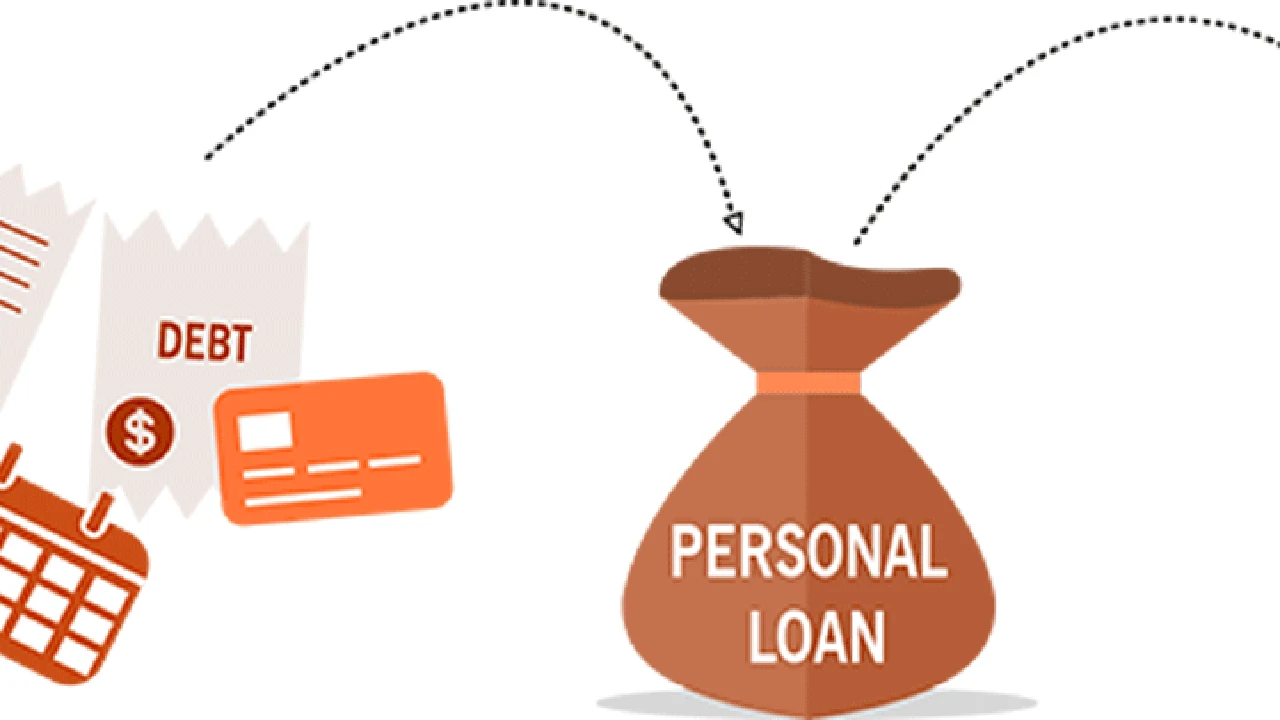
Personal loans are probably what most people think of when they hear 'debt consolidation loan.' These are unsecured loans, meaning you don't need to put up collateral like your house or car. Because they're unsecured, lenders rely heavily on your creditworthiness. Interest rates for personal loans can vary widely, typically ranging from around 5% to 36%. For someone with excellent credit (think 760+), you might see rates in the single digits. For those with fair or good credit (670-759), rates could be anywhere from 10% to 25%. If your credit is on the lower side (below 670), you might be looking at the higher end of that spectrum, or even struggle to find an unsecured personal loan. The repayment terms usually range from 2 to 7 years. Many online lenders specialize in personal loans, and they often have quick application processes and funding times.
Balance Transfer Credit Cards for Debt Consolidation Rates and Introductory Offers
Balance transfer credit cards can be a fantastic option, especially if you're dealing with high-interest credit card debt. The main draw here is the 0% introductory APR period, which can last anywhere from 6 to 21 months. During this time, you pay no interest on the transferred balance, allowing you to put 100% of your payments towards the principal. This can be a huge money-saver! However, there are a few catches. First, you usually need good to excellent credit to qualify for the best balance transfer offers. Second, there's often a balance transfer fee, typically 3% to 5% of the transferred amount. Third, and most importantly, if you don't pay off the transferred balance before the introductory period ends, the remaining balance will be subject to a much higher, variable APR, which can be 15% to 25% or even more. So, this option is best if you're confident you can pay off the debt within that 0% period.
Home Equity Loans and HELOCs for Debt Consolidation Rates and Collateral Considerations
If you own a home and have equity built up, a home equity loan or a Home Equity Line of Credit (HELOC) can offer some of the lowest interest rates for debt consolidation. This is because your home acts as collateral, making these secured loans less risky for lenders. Interest rates for home equity products are often in the single digits, sometimes even lower than personal loan rates for excellent credit. A home equity loan gives you a lump sum with a fixed interest rate, while a HELOC is a revolving line of credit with a variable interest rate. The big advantage is the low interest. The big risk? If you can't make your payments, you could lose your home. This is a serious consideration, so only pursue this option if you're absolutely confident in your ability to repay. Also, remember there are closing costs involved, similar to a mortgage.
Top Strategies for Securing the Lowest Debt Consolidation Loan Rates
Now that you know the different types of loans and what influences rates, let's talk about how to actively pursue the best possible deal.
Improving Your Credit Score Before Applying for Debt Consolidation
As mentioned, your credit score is king. If you have some time before you need to consolidate, dedicate a few months to boosting your score. Here's how:
- Pay Bills on Time: Payment history is the most significant factor in your credit score. Set up automatic payments or reminders.
- Reduce Credit Utilization: This is the amount of credit you're using compared to your total available credit. Aim to keep it below 30%, but ideally below 10%. Pay down credit card balances as much as possible.
- Avoid New Credit: Don't open new credit cards or take out other loans right before applying for consolidation. New credit inquiries can temporarily ding your score.
- Check for Errors: Get copies of your credit reports from all three major bureaus (Experian, Equifax, TransUnion) and dispute any inaccuracies.
- Keep Old Accounts Open: The length of your credit history matters. Don't close old credit card accounts, even if you don't use them, as this can shorten your average account age.
Shopping Around and Comparing Multiple Lenders for Debt Consolidation
This is perhaps the single most effective strategy. Don't just go with the first offer you get! Different lenders have different underwriting criteria and risk assessments, meaning they'll offer different rates to the same borrower. You should compare offers from:
- Traditional Banks: Your local bank or credit union might offer competitive rates, especially if you have an existing relationship with them.
- Online Lenders: Companies like LightStream, SoFi, Marcus by Goldman Sachs, and Upgrade often have streamlined application processes and can offer very competitive rates, sometimes even lower than traditional banks due to lower overhead.
- Credit Unions: These member-owned institutions often have a reputation for lower fees and more favorable interest rates compared to traditional banks.
Many online lenders offer a 'pre-qualification' option that allows you to see potential rates without a hard inquiry on your credit report, which is super helpful for shopping around without impacting your score.
Considering a Co-signer for Lower Debt Consolidation Rates
If your credit score isn't stellar, or you're just looking to get the absolute lowest rate, a co-signer with excellent credit can significantly improve your chances. A co-signer essentially guarantees the loan, reducing the lender's risk. This can lead to a much lower interest rate than you'd get on your own. However, this is a big ask. Your co-signer is equally responsible for the debt, and if you miss payments, it will negatively impact their credit score as well. Only consider this option if you have a very strong relationship with someone who trusts you implicitly and you are absolutely confident in your ability to repay the loan.
Negotiating with Lenders for Better Debt Consolidation Loan Terms
While it's not always possible to negotiate the interest rate directly, especially with online lenders, it never hurts to ask. If you have multiple offers, you can sometimes leverage one offer to get a better deal from another lender. For instance, if your current bank offers you a loan at 12% but an online lender pre-qualifies you for 10%, you could go back to your bank and see if they're willing to match or beat the 10%. This is more likely to work with traditional banks or credit unions where you have a personal relationship. Even if you can't get a lower rate, you might be able to negotiate on fees or repayment terms.
Specific Product Recommendations and Comparison for Debt Consolidation
Let's look at some popular lenders and products that are often recommended for debt consolidation, keeping in mind that rates and terms can change and depend on your individual credit profile.
LightStream Personal Loans for Excellent Credit
Overview: LightStream, a division of Truist Bank, is renowned for offering some of the lowest interest rates in the industry, particularly for borrowers with excellent credit. They offer unsecured personal loans for a wide range of purposes, including debt consolidation. Their rates are often fixed and can be very competitive, sometimes starting as low as 5-6% APR for those with top-tier credit (740+ FICO score). They also offer a rate beat program, where they'll beat a competitor's rate by 0.10 percentage points if you meet certain conditions.
Use Case: Ideal for individuals with strong credit histories who are looking for the absolute lowest fixed interest rate and want a straightforward, fast online application process. They don't offer pre-qualification, so applying results in a hard credit inquiry.
Key Features: Fixed rates, no origination fees, no prepayment penalties, loan amounts from $5,000 to $100,000, terms from 24 to 84 months. Funds can be disbursed as soon as the same business day.
Pricing/Rates: As of late 2023/early 2024, rates can start from around 5.99% APR with AutoPay for excellent credit, going up to around 20% for lower credit scores. The exact rate depends on your creditworthiness, loan purpose, and term.
SoFi Personal Loans for Good to Excellent Credit
Overview: SoFi (Social Finance) is another popular online lender known for its competitive rates and a wide range of financial products. They cater to borrowers with good to excellent credit (typically 680+ FICO score). SoFi offers unsecured personal loans with fixed rates and flexible terms, and they are well-regarded for their member benefits, including career coaching and financial planning advice.
Use Case: Great for professionals with good to excellent credit who appreciate a modern online experience, competitive rates, and potential member perks. They offer pre-qualification, which is a soft credit pull.
Key Features: Fixed rates, no origination fees, no prepayment penalties, unemployment protection (they can temporarily pause payments if you lose your job), loan amounts from $5,000 to $100,000, terms from 24 to 84 months.
Pricing/Rates: Rates can start from around 8.99% APR with AutoPay for excellent credit, going up to around 29.99% APR. Your specific rate will depend on your credit profile, income, and other factors.
Marcus by Goldman Sachs Personal Loans for Good Credit
Overview: Marcus, the consumer banking arm of Goldman Sachs, offers personal loans specifically designed for debt consolidation. They target borrowers with good credit (typically 660+ FICO score) and are known for their transparent terms and lack of fees. They pride themselves on a simple, straightforward application process.
Use Case: A solid choice for individuals with good credit who want a reliable lender with no hidden fees and a clear repayment structure. They also offer pre-qualification.
Key Features: Fixed rates, no origination fees, no prepayment penalties, no late fees (though late payments can still impact your credit), loan amounts from $3,500 to $40,000, terms from 36 to 72 months. They also offer a 0.25% rate discount for setting up AutoPay.
Pricing/Rates: Rates can start from around 6.99% APR with AutoPay for good credit, going up to around 29.99% APR. Rates are highly personalized based on your creditworthiness.
Upgrade Personal Loans for Fair to Good Credit
Overview: Upgrade is an online lender that's more accessible to borrowers with fair to good credit (typically 600+ FICO score). While their rates might be slightly higher than those offered by LightStream or SoFi for excellent credit, they can be a great option for those who might not qualify elsewhere or are looking to improve their credit. They also offer a unique feature where they can directly pay off your creditors.
Use Case: Suitable for borrowers with fair to good credit who need a debt consolidation loan and appreciate the convenience of direct creditor payments. They offer pre-qualification.
Key Features: Fixed rates, loan amounts from $1,000 to $50,000, terms from 24 to 84 months. They do charge an origination fee, typically 1.85% to 9.99% of the loan amount, which is deducted from the loan proceeds.
Pricing/Rates: Rates can start from around 8.49% APR (including AutoPay discount and origination fee) for good credit, going up to around 35.99% APR. The origination fee is a significant factor in the overall cost.
Discover Personal Loans for Good to Excellent Credit
Overview: Discover, known for its credit cards, also offers personal loans for debt consolidation. They generally look for borrowers with good to excellent credit (typically 660+ FICO score). They are known for their customer service and transparent terms.
Use Case: A good option for existing Discover customers or anyone with good credit looking for a reliable lender with no hidden fees. They offer pre-qualification.
Key Features: Fixed rates, no origination fees, no prepayment penalties, loan amounts from $2,500 to $40,000, terms from 36 to 84 months. They can also directly pay off your creditors.
Pricing/Rates: Rates can start from around 7.99% APR for excellent credit, going up to around 24.99% APR. Your rate will depend on your credit history and other financial factors.
Balance Transfer Credit Cards Example: Citi Simplicity Card
Overview: The Citi Simplicity Card is a popular choice for balance transfers due to its long 0% intro APR period. It's designed for those who need a significant amount of time to pay off transferred balances without incurring interest.
Use Case: Excellent for individuals with good to excellent credit who have high-interest credit card debt and are confident they can pay it off within the introductory period. It's particularly good if you need a longer runway than other cards offer.
Key Features: 0% intro APR on balance transfers for 21 months from the date of your first transfer (transfers must be completed within 4 months of account opening). After that, a variable APR of 19.24% - 29.99% applies. No annual fee, no late fees, no penalty rate. Balance transfer fee of 5% (minimum $5).
Pricing/Rates: 0% intro APR for 21 months, then variable APR. The balance transfer fee is a key cost to consider.
Balance Transfer Credit Cards Example: Chase Slate Edge
Overview: The Chase Slate Edge card offers a competitive 0% intro APR period and a unique feature that allows you to potentially lower your ongoing APR after the intro period by making on-time payments.
Use Case: Good for those with good to excellent credit who want a solid balance transfer offer and the potential for a lower ongoing APR if they manage their payments well. Also suitable if you need a slightly shorter but still substantial 0% period.
Key Features: 0% intro APR on purchases and balance transfers for 18 months. After that, a variable APR of 19.49% - 28.24% applies. No annual fee. Balance transfer fee of 3% for transfers made within 60 days of account opening, then 5%. You can also get an automatic APR reduction of 2% after each year you pay on time and spend $1,000 on your card, until your APR reaches the lowest available.
Pricing/Rates: 0% intro APR for 18 months, then variable APR. The balance transfer fee and the potential for APR reduction are important factors.
Tips for Comparing Debt Consolidation Loan Offers Effectively
Once you start getting offers, it can feel a bit overwhelming. Here's how to cut through the noise and make the best decision:
Focus on the APR Not Just the Interest Rate
The Annual Percentage Rate (APR) is your best friend here. It includes not just the interest rate but also any fees associated with the loan (like origination fees). This gives you the true annual cost of borrowing. A loan with a slightly lower interest rate but a high origination fee might actually have a higher APR than a loan with a slightly higher interest rate but no fees. Always compare APRs when evaluating offers.
Understand All Fees Associated with the Debt Consolidation Loan
Beyond origination fees, look out for other potential costs. Some lenders might charge late payment fees, prepayment penalties (though these are less common with personal loans now), or annual fees (especially with balance transfer cards after the intro period). Make sure you understand the full cost structure before committing.
Evaluate Repayment Terms and Monthly Payments
A lower interest rate is great, but it also needs to fit into your budget. Longer repayment terms (e.g., 7 years instead of 3 years) will result in lower monthly payments, but you'll pay more in total interest over the life of the loan. Shorter terms mean higher monthly payments but less total interest paid. Find a balance that works for your budget while still allowing you to pay off the debt as quickly as possible.
Read the Fine Print of Your Debt Consolidation Loan Agreement
Seriously, read everything. Don't just skim. Look for clauses about variable interest rates (if applicable), what happens if you miss a payment, any hidden fees, and the exact terms of the loan. If anything is unclear, ask the lender for clarification before you sign anything.
What to Do if You Have Bad Credit and Need Debt Consolidation
If your credit score is holding you back from getting those super low rates, don't despair. You still have options, though they might require a bit more effort or come with slightly higher rates initially.
Secured Debt Consolidation Loans for Bad Credit
If you have an asset, like a car with a clear title or some savings, you might be able to get a secured personal loan. Because you're putting up collateral, the lender's risk is lower, and they might be more willing to offer you a loan even with bad credit, potentially at a lower rate than an unsecured loan for bad credit. Just remember the risk: if you default, you could lose your asset.
Credit Unions and Community Banks for Debt Consolidation with Bad Credit
These institutions often have more flexible lending criteria than large national banks. Because they are member-focused, they might be more willing to work with you, especially if you have an existing relationship or can demonstrate a commitment to improving your financial situation. Their rates might still be higher than for excellent credit, but potentially lower than predatory lenders.
Working with a Non-Profit Credit Counseling Agency for Debt Consolidation
If you're struggling with bad credit, a non-profit credit counseling agency can be a lifesaver. They can help you create a debt management plan (DMP), which isn't a loan but can consolidate your payments and often get creditors to lower interest rates or waive fees. While it won't give you a lump sum, it can significantly reduce your monthly burden and help you get back on track. They can also provide personalized advice on improving your credit and managing your finances.
Building Credit Before Applying for a Debt Consolidation Loan
Sometimes, the best strategy is to hit pause on the consolidation loan application and focus on credit building. Even a few months of diligent effort can make a difference. Get a secured credit card, make all payments on time, and keep your utilization low. As your score improves, you'll unlock better loan offers.
Final Thoughts on Finding the Best Debt Consolidation Loan Rates
Finding the lowest interest rate on a debt consolidation loan isn't just about luck; it's about being informed, strategic, and persistent. Start by understanding your credit score and taking steps to improve it. Then, explore the different types of loans available and compare offers from multiple lenders. Don't be afraid to consider a co-signer if it makes sense for your situation, and always, always read the fine print. Remember, the goal is to save money and simplify your financial life, so taking the time to find the best rate is an investment that will pay off big time. Good luck on your journey to becoming debt-free!
:max_bytes(150000):strip_icc()/277019-baked-pork-chops-with-cream-of-mushroom-soup-DDMFS-beauty-4x3-BG-7505-5762b731cf30447d9cbbbbbf387beafa.jpg)