The Impact of Economic Growth on Debt Consolidation in ASEAN
Analyze how the economic growth of ASEAN nations influences the demand and availability of debt consolidation services.
Analyze how the economic growth of ASEAN nations influences the demand and availability of debt consolidation services.
The Impact of Economic Growth on Debt Consolidation in ASEAN
Understanding ASEAN Economic Growth and Its Debt Implications
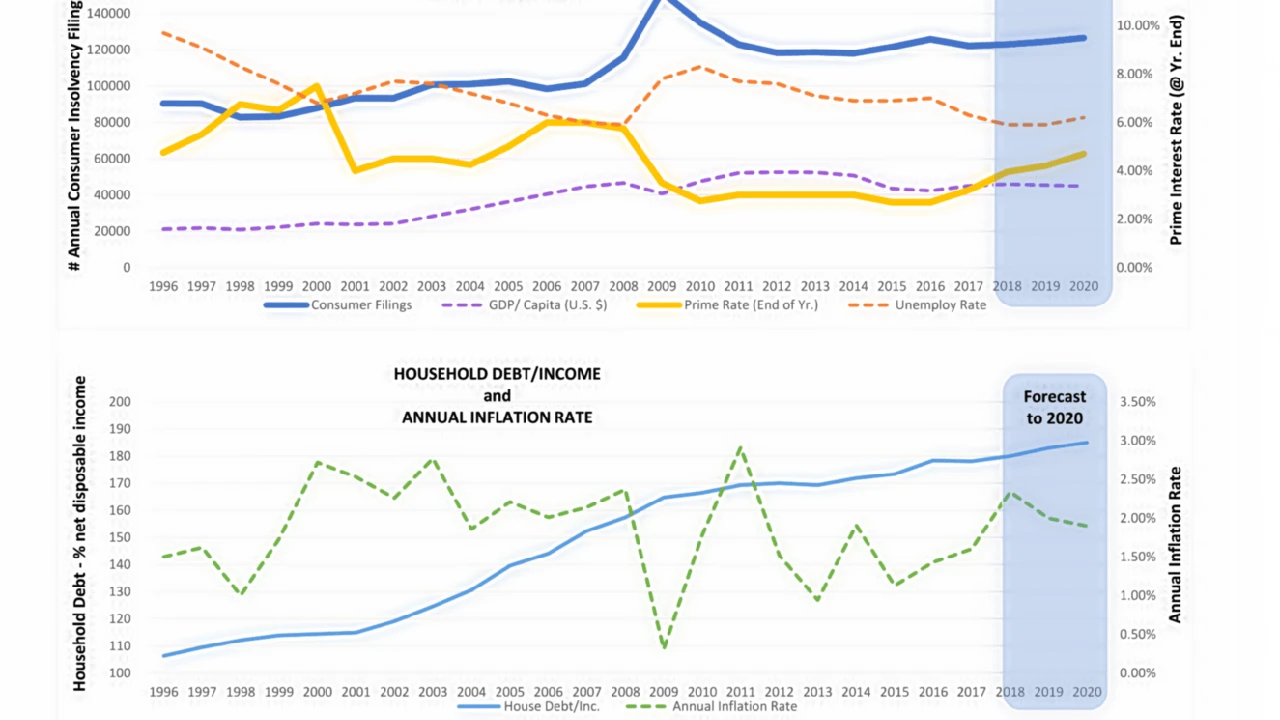
The Association of Southeast Asian Nations (ASEAN) has emerged as a dynamic economic powerhouse, characterized by robust growth, increasing urbanization, and a burgeoning middle class. This economic dynamism, while largely positive, brings with it a complex interplay of financial behaviors, including a rise in consumer debt. As incomes grow and access to credit expands, so too does the potential for individuals and businesses to accumulate debt. This article delves into how the economic growth of ASEAN nations specifically influences the demand for and availability of debt consolidation services, offering insights into the region's evolving financial landscape.
ASEAN's collective GDP has seen impressive growth over the past few decades, driven by manufacturing, trade, and increasingly, a vibrant digital economy. Countries like Singapore, Malaysia, Thailand, Indonesia, Vietnam, and the Philippines have experienced varying degrees of economic expansion, leading to higher disposable incomes and greater consumer confidence. This confidence often translates into increased spending on consumer goods, housing, and education, frequently financed through credit cards, personal loans, and mortgages. While credit fuels economic activity, unchecked borrowing can lead to financial distress, making debt consolidation a crucial financial tool.
Rising Incomes and Increased Access to Credit The Double-Edged Sword for ASEAN Consumers
Economic growth in ASEAN has undeniably led to higher average incomes across the region. This improved financial standing has, in turn, made more people eligible for various forms of credit. Banks and financial institutions, eager to capitalize on this expanding market, have broadened their lending criteria and introduced a wider array of credit products. From easy-to-obtain credit cards to flexible personal loans and even micro-loans, the accessibility of credit has never been greater for the average ASEAN consumer.
However, this increased access is a double-edged sword. While it empowers individuals to make significant purchases and invest in their future, it also presents a greater risk of over-indebtedness. Many consumers, especially those new to managing multiple credit lines, can find themselves juggling several high-interest debts, leading to stress and a cycle of minimum payments that barely touch the principal. This scenario is precisely where the demand for debt consolidation services begins to surge. As more people find themselves in this predicament, the need for a streamlined, lower-interest repayment solution becomes paramount.
The Evolution of Debt Consolidation Services in a Growing Economy
In response to the growing consumer debt landscape, the debt consolidation market in ASEAN has evolved significantly. Initially, such services might have been limited or less formalized. However, with sustained economic growth and a more sophisticated financial sector, a wider range of debt consolidation products and providers has emerged. This includes traditional banks offering personal loans specifically for consolidation, specialized debt management companies, and even fintech platforms leveraging technology to provide more accessible and efficient solutions.
For instance, in countries like Singapore and Malaysia, where financial markets are more mature, consumers have access to a variety of options, from balance transfer facilities to dedicated debt consolidation plans offered by major banks. In rapidly developing economies like Vietnam and the Philippines, while the market might be newer, the demand is quickly catching up, leading to the introduction of similar services, often with a focus on digital accessibility.
Key Drivers of Debt Consolidation Demand in ASEAN Economic Growth Factors
Several economic growth factors directly contribute to the demand for debt consolidation in ASEAN:
Urbanization and Lifestyle Inflation Debt Consolidation Needs
Rapid urbanization across ASEAN has led to a significant shift in lifestyle and consumption patterns. As people move to cities, they often face higher living costs, including housing, transportation, and daily expenses. This 'lifestyle inflation' can push individuals to rely more heavily on credit to maintain their desired standard of living. When multiple credit lines are used to bridge this gap, debt can quickly become unmanageable, driving the need for consolidation.
Increased Consumer Spending and Credit Card Usage Debt Consolidation Solutions
Economic prosperity often correlates with increased consumer spending. In ASEAN, this is evident in the booming retail sectors and the widespread adoption of credit cards. While convenient, credit cards often come with high-interest rates. Many consumers accumulate debt across several cards, making monthly payments burdensome. Debt consolidation offers a way to combine these high-interest debts into a single, more manageable loan with a lower interest rate, freeing up cash flow and accelerating debt repayment.
Real Estate Market Dynamics and Mortgage Debt Consolidation Strategies
The booming real estate markets in many ASEAN cities, while a sign of economic health, also contribute to increased mortgage debt. While mortgages are typically long-term, lower-interest loans, some homeowners might also carry other forms of high-interest debt. In certain scenarios, homeowners might consider using a home equity loan or a cash-out refinance as a form of debt consolidation, leveraging their property's value to pay off other, more expensive debts. This is particularly prevalent in markets with strong property appreciation.
Small and Medium-sized Enterprises SME Growth and Business Debt Consolidation
Economic growth fosters entrepreneurship, leading to a proliferation of Small and Medium-sized Enterprises (SMEs). While SMEs are vital for job creation and economic diversification, they often face challenges in securing traditional financing, leading them to rely on personal loans or high-interest business credit. When multiple business debts become overwhelming, SME owners might seek personal debt consolidation solutions to manage their financial obligations, especially if personal guarantees were involved. This highlights the interconnectedness of personal and business finance in the SME sector.
Availability of Debt Consolidation Services How Economic Growth Shapes the Market
The supply side of debt consolidation services is also heavily influenced by economic growth. A robust economy generally means a healthier banking sector, more competition among financial institutions, and a greater willingness to lend.
Banking Sector Maturity and Product Innovation Debt Consolidation Offerings
As ASEAN economies mature, so do their banking sectors. This leads to greater product innovation, including more sophisticated debt consolidation offerings. Banks are more likely to invest in developing tailored solutions when there's a clear market demand and a stable economic environment that supports lending. This includes specialized personal loans, balance transfer programs, and even structured debt management plans.
Fintech and Digital Lending Platforms Debt Consolidation Accessibility
The rise of fintech and digital lending platforms is a direct consequence of economic growth and technological advancement. These platforms often offer more streamlined application processes, faster approvals, and sometimes more competitive rates, especially for segments underserved by traditional banks. In ASEAN, where mobile penetration is high, digital debt consolidation solutions are becoming increasingly popular, making these services more accessible to a wider population, including those in remote areas.
Government Regulations and Consumer Protection Debt Consolidation Frameworks
As economies grow and financial markets expand, governments often introduce or strengthen regulations to protect consumers and ensure fair lending practices. This can include caps on interest rates, requirements for transparent disclosure, and frameworks for debt management. While regulations can sometimes make it harder for certain lenders to operate, they ultimately foster a more trustworthy environment for consumers seeking debt consolidation, encouraging legitimate providers to enter the market.
Specific Product Recommendations and Scenarios for ASEAN Debt Consolidation
Let's dive into some specific product types and scenarios relevant to debt consolidation in ASEAN, keeping in mind that specific product availability and terms will vary by country and individual creditworthiness.
1. Personal Loans for Debt Consolidation
Scenario: You have multiple high-interest credit card debts from different banks (e.g., CIMB, Maybank, DBS, UOB, BDO, BPI) and perhaps a small personal loan. Your total debt is manageable, but the high monthly payments and varying due dates are stressful.
Product Recommendation: A personal loan specifically designed for debt consolidation. These loans typically offer a fixed interest rate and a fixed repayment term, simplifying your payments into one monthly installment.
Examples & Comparison:
* Singapore: Banks like DBS, UOB, and OCBC offer personal loans with competitive interest rates (e.g., 3.5% - 7% p.a. effective interest rate, depending on credit score and loan tenure). They often have online application processes and quick approval times. For instance, a DBS Personal Loan might offer a lower rate for higher loan amounts or shorter tenures. UOB's Personal Loan could have promotional rates for new customers. The key is to compare the Effective Interest Rate (EIR) which includes all fees.
* Malaysia: Maybank, CIMB, and Public Bank are strong contenders. Maybank's Personal Loan might offer rates from 4.5% - 8% p.a. for eligible customers. CIMB's Cash Plus Personal Loan could have a slightly higher range but might be more flexible with eligibility. Look for loans with minimal processing fees.
* Philippines: BDO, BPI, and Metrobank offer personal loans. Rates can range from 1.5% - 2.5% per month (equivalent to 18% - 30% p.a.) which is higher than Singapore/Malaysia but still significantly lower than typical credit card rates (often 3% - 3.5% per month). BPI's Personal Loan might have a more straightforward application, while BDO could offer higher loan amounts.
* Indonesia: Banks like BCA, Mandiri, and BRI provide personal loans. Interest rates typically range from 1% - 2% per month (12% - 24% p.a.). BCA's Personal Loan might be known for its efficiency, while Mandiri could offer more extensive branch networks for support.
* Vietnam: VPBank, Techcombank, and ACB are popular. Personal loan rates can be higher, often 1.5% - 3% per month (18% - 36% p.a.), reflecting a developing credit market. VPBank might have more aggressive marketing for personal loans, while Techcombank could focus on digital applications.
Pricing & Fees: Interest rates are the primary cost. Also, check for processing fees (often 1-5% of the loan amount, sometimes waived during promotions), late payment fees, and early settlement penalties. Always ask for the Effective Interest Rate (EIR) or Annual Percentage Rate (APR) to compare accurately.
2. Balance Transfer Credit Cards
Scenario: You have one or two credit cards with high balances and high interest rates. You have a good credit score and are confident you can pay off the transferred balance within a promotional period.
Product Recommendation: A balance transfer credit card that offers a 0% or very low-interest promotional period (e.g., 6-12 months).
Examples & Comparison:
* Singapore: Banks like Standard Chartered, Citibank, and HSBC frequently offer balance transfer promotions. Standard Chartered's CashOne or Citibank's Ready Credit often have 0% interest for 6-12 months, with a one-time processing fee (e.g., 1.5% - 3% of the transferred amount). HSBC might offer similar deals. The key is to pay off the balance before the promotional period ends, as the interest rate reverts to a much higher rate (e.g., 25% - 29% p.a.).
* Malaysia: Maybank, CIMB, and Public Bank also have balance transfer options. Maybank's Balance Transfer might offer 0% for 6 months with a fee, or a low fixed rate (e.g., 6% - 8% p.a.) for a longer period. CIMB's Balance Transfer could have similar structures. Always check the revert rate.
* Philippines: While 0% balance transfers are less common, some banks like BDO and BPI offer low fixed-rate balance transfers (e.g., 0.8% - 1.5% per month for 6-24 months). This is still better than standard credit card rates.
Pricing & Fees: The main cost is the one-time processing fee for the transfer. Be extremely mindful of the promotional period end date and the standard interest rate that applies afterward.
3. Home Equity Loans or Cash-Out Refinance
Scenario: You own a home with significant equity and have substantial high-interest debts (e.g., credit cards, personal loans, car loans). You're comfortable using your home as collateral for a lower-interest, longer-term loan.
Product Recommendation: A home equity loan (HEL) or a cash-out refinance of your existing mortgage.
Examples & Comparison:
* Singapore: Banks like DBS, UOB, and OCBC offer home equity loans (often called 'property-backed loans' or 'secured personal loans'). Interest rates are typically much lower than unsecured personal loans (e.g., 2% - 4% p.a.) because they are secured by your property. A cash-out refinance would involve replacing your current mortgage with a new, larger one, taking out the difference in cash. This is a significant financial decision and requires careful consideration of property value, existing mortgage terms, and future interest rate movements.
* Malaysia: Maybank, CIMB, and Public Bank offer similar products. Home equity loans (often called 'housing loan top-up' or 'secured personal financing') would have rates around 3% - 5% p.a. A cash-out refinance would follow similar principles to Singapore, with rates tied to the Base Lending Rate (BLR) or Base Rate (BR).
* Other ASEAN Countries: While available, the terms and prevalence might vary. In countries like Thailand or Indonesia, the process might be more complex, and interest rates could be slightly higher than in Singapore or Malaysia, but still lower than unsecured debt.
Pricing & Fees: Lower interest rates are the main benefit. However, there are significant fees involved, including valuation fees, legal fees, stamp duty, and potentially early repayment penalties on your existing mortgage if you refinance. This option carries the risk of losing your home if you default.
4. Debt Management Programs (DMPs) via Credit Counseling Agencies
Scenario: You have multiple unsecured debts, are struggling to make payments, and your credit score is already impacted. You need help negotiating with creditors and creating a structured repayment plan, but you don't want to take out a new loan.
Product Recommendation: A Debt Management Program (DMP) facilitated by a non-profit credit counseling agency.
Examples & Comparison:
* Singapore: Credit Counselling Singapore (CCS) is a prominent non-profit organization. They negotiate with banks on your behalf to reduce interest rates and waive fees, consolidating your payments into one monthly sum paid to CCS, who then distributes it to your creditors. There are usually minimal or no fees for their counseling services, though a small administrative fee might apply for the DMP itself.
* Malaysia: Agensi Kaunseling dan Pengurusan Kredit (AKPK) is Malaysia's equivalent. They offer free financial counseling and DMPs. AKPK helps individuals restructure their debts with participating financial institutions, often leading to lower interest rates and extended repayment periods. This is a highly recommended first step for those in severe debt in Malaysia.
* Philippines: While less formalized than Singapore or Malaysia, some non-profit organizations or financial literacy advocates might offer similar guidance. However, direct negotiation with banks might be more common, or seeking advice from a financial advisor.
Pricing & Fees: Often free or very low cost for counseling. DMPs might have a small administrative fee. The main 'cost' is that your credit report will show you are in a DMP, which can impact your ability to get new credit for a period.
Challenges and Opportunities for Debt Consolidation in ASEAN
Despite the growth, the debt consolidation landscape in ASEAN faces unique challenges and opportunities.
Regulatory Fragmentation and Cross-Border Debt Consolidation
One significant challenge is the regulatory fragmentation across ASEAN. Each country has its own financial regulations, consumer protection laws, and credit reporting systems. This makes cross-border debt consolidation extremely complex, if not impossible, for the average consumer. While ASEAN aims for economic integration, financial services, especially consumer credit and debt management, remain largely national domains. This means a Malaysian citizen with debt in Singapore would likely need separate solutions in each country.
Financial Literacy and Consumer Awareness Debt Consolidation Education
Another challenge is the varying levels of financial literacy across the region. While urban populations in more developed ASEAN nations might be well-versed in financial products, many in rural or less developed areas may lack understanding of complex financial tools like debt consolidation. This presents an opportunity for financial institutions and governments to invest in consumer education, promoting responsible borrowing and highlighting the benefits of debt consolidation when appropriate.
The Rise of Digitalization and Fintech Innovation Debt Consolidation Future
The rapid digitalization of financial services across ASEAN offers immense opportunities. Fintech companies can leverage technology to reach underserved populations, offer more personalized debt consolidation solutions, and streamline the application and approval processes. Mobile banking and digital wallets are already widespread, paving the way for innovative debt management tools that are accessible and user-friendly. This could lead to more competitive pricing and greater transparency in the debt consolidation market.
Economic Shocks and Resilience Debt Consolidation Preparedness
ASEAN economies, while growing, are not immune to global economic shocks or regional downturns. Such events can quickly turn manageable debt into overwhelming burdens. A robust debt consolidation ecosystem, supported by clear regulations and accessible services, can act as a crucial safety net, helping individuals and businesses navigate financial difficulties and maintain economic stability during challenging times. This preparedness is a key aspect of sustainable economic growth.
Navigating Your Debt Consolidation Journey in ASEAN Practical Advice
If you're considering debt consolidation in an ASEAN country, here's some practical advice:
Assess Your Current Debt Situation Thorough Debt Review
Before anything else, get a clear picture of all your debts: who you owe, how much, the interest rate on each, and the minimum monthly payment. This comprehensive overview is crucial for determining if consolidation is the right path.
Check Your Credit Score and Report Credit Health Check
Your credit score will significantly impact the interest rates and terms you're offered. Obtain a copy of your credit report (e.g., from Credit Bureau Singapore, CTOS/Experian in Malaysia, CIBI in the Philippines) to ensure accuracy and understand your standing.
Research and Compare Providers Debt Consolidation Comparison
Don't just go with the first offer. Research different banks, financial institutions, and credit counseling agencies. Compare interest rates (EIR/APR), fees, repayment terms, and customer reviews. Use online comparison portals if available in your country.
Understand the Terms and Conditions Read the Fine Print
Always read the fine print of any loan agreement. Pay close attention to early repayment penalties, late payment fees, and what happens if you miss a payment. Ensure you fully understand your obligations.
Create a Realistic Budget Post Consolidation Financial Planning
Debt consolidation is not a magic bullet. It's a tool. To make it work, you need a realistic budget that allows you to comfortably make your new consolidated payment and avoid accumulating new debt. This is perhaps the most critical step for long-term success.
Seek Professional Advice When Needed Expert Guidance
If you're unsure, consider consulting with a financial advisor or a non-profit credit counseling agency. They can provide personalized advice based on your specific financial situation and help you choose the best course of action.
Economic growth in ASEAN has undeniably reshaped the financial landscape, leading to both increased prosperity and a greater need for sophisticated financial management tools like debt consolidation. As the region continues to develop, the demand for and availability of these services will only grow, making it essential for consumers to be informed and proactive in managing their financial health.
:max_bytes(150000):strip_icc()/277019-baked-pork-chops-with-cream-of-mushroom-soup-DDMFS-beauty-4x3-BG-7505-5762b731cf30447d9cbbbbbf387beafa.jpg)