The Future of Debt Consolidation in Southeast Asia Trends and Forecasts
An outlook on future trends and predictions for the debt consolidation market across Southeast Asia.
An outlook on future trends and predictions for the debt consolidation market across Southeast Asia.
The Future of Debt Consolidation in Southeast Asia Trends and Forecasts
Hey there, money-savvy folks! Let's chat about something super important for anyone living or doing business in this vibrant part of the world: debt consolidation in Southeast Asia. This region is a dynamic hub of economic growth, technological adoption, and evolving financial landscapes. So, it's no surprise that how people manage their debts is also changing rapidly. We're going to dive deep into what the future holds for debt consolidation here, looking at emerging trends, what's driving them, and what we can expect in the coming years. Think of this as your crystal ball for financial planning in ASEAN!
Digital Transformation and Fintech Innovations in Debt Consolidation
One of the biggest game-changers in Southeast Asia, across almost every sector, is digital transformation. And finance is no exception! Fintech, or financial technology, is absolutely booming here, and it's reshaping how debt consolidation works. We're talking about everything from online lenders to AI-powered credit scoring and mobile-first platforms. This isn't just about convenience; it's about accessibility, speed, and often, better rates for consumers.
The Rise of Digital Lenders and Online Platforms for Debt Consolidation
Gone are the days when you had to trudge to a physical bank branch, fill out mountains of paperwork, and wait weeks for an answer. Digital lenders are making debt consolidation faster and more accessible. Platforms like Funding Societies (Modalku in Indonesia), Grab Financial Group, and various local fintech startups are offering personal loans that can be used for debt consolidation. These platforms often have streamlined application processes, quicker approval times, and sometimes even more flexible eligibility criteria compared to traditional banks. They leverage alternative data points for credit assessment, which can be a huge plus for individuals with limited credit history or those in the informal sector.
For instance, Funding Societies, prominent in Singapore, Malaysia, Indonesia, Thailand, and Vietnam, primarily focuses on SME financing, but their personal loan offerings can certainly be utilized for debt consolidation. They pride themselves on quick disbursement and a fully digital application process. Another example is MoneyMatch in Malaysia, which, while known for remittances, is part of a broader fintech ecosystem that facilitates easier access to various financial products, including those that can aid in debt consolidation.
AI and Machine Learning in Credit Scoring for Debt Consolidation Loans
This is where it gets really interesting! Traditional banks often rely on rigid credit scores that might not fully capture the financial health of individuals in emerging markets. Fintech companies are using AI and machine learning to analyze vast amounts of data – from smartphone usage patterns to utility bill payments – to create more nuanced and accurate credit profiles. This means more people, who might have been overlooked by traditional systems, could now qualify for debt consolidation loans. This trend is particularly strong in countries like Indonesia and the Philippines, where a significant portion of the population is unbanked or underbanked.
Imagine an app that looks at your regular bill payments, your e-wallet transactions, and even your social media activity (with your consent, of course!) to determine your creditworthiness. This allows lenders to offer personalized interest rates and loan terms, potentially making debt consolidation more affordable for a wider segment of the population.
Blockchain and Distributed Ledger Technology for Secure Debt Consolidation
While still in its nascent stages for mainstream debt consolidation, blockchain technology holds immense promise. It can create more secure, transparent, and efficient lending ecosystems. Imagine a future where your loan agreements are smart contracts on a blockchain, automatically executing payments and ensuring transparency for all parties involved. This could reduce fraud, lower administrative costs, and ultimately lead to better deals for consumers. We're seeing early explorations in this area, particularly in cross-border financial services, which could eventually trickle down to domestic debt consolidation.
Evolving Regulatory Landscape and Consumer Protection in Debt Consolidation
As fintech grows, so does the need for robust regulation. Governments and central banks across Southeast Asia are actively working to create frameworks that foster innovation while protecting consumers. This is a delicate balance, but it's crucial for the sustainable growth of the debt consolidation market.
Harmonization of Financial Regulations for Cross-Border Debt Consolidation
The ASEAN Economic Community (AEC) aims for greater economic integration, and this includes financial services. While a fully harmonized regulatory environment for debt consolidation is still some way off, we're seeing efforts to standardize certain aspects, especially concerning data privacy and digital transactions. This could eventually make it easier for individuals to access debt consolidation products from providers across different ASEAN countries, leading to more competitive options.
Strengthening Consumer Protection Measures for Debt Consolidation Services
With the proliferation of online lenders, consumer protection is paramount. Regulators are focusing on transparency in interest rates, fees, and terms, as well as clear dispute resolution mechanisms. Countries like Singapore and Malaysia have relatively mature regulatory bodies (Monetary Authority of Singapore - MAS, and Bank Negara Malaysia - BNM) that are proactive in this space. Other nations are catching up, implementing stricter licensing requirements and oversight for digital lenders to prevent predatory practices. This means consumers can have more confidence when seeking debt consolidation solutions.
The Role of Government Initiatives in Promoting Responsible Debt Consolidation
Many governments in the region are also launching initiatives to promote financial literacy and responsible borrowing. For example, the Philippines' Bangko Sentral ng Pilipinas (BSP) has been actively promoting financial education. Such initiatives indirectly support debt consolidation by empowering consumers to make informed decisions and manage their finances better. Some governments might even offer subsidized debt counseling services or work with financial institutions to create more affordable debt consolidation programs for vulnerable populations.
Changing Consumer Behavior and Financial Literacy in Debt Consolidation
It's not just about technology and regulation; how people think about and manage their money is also shifting. Younger generations, in particular, are more digitally native and open to new financial solutions.
Increased Awareness and Acceptance of Debt Consolidation
As financial education improves and more accessible options become available, the stigma around debt and debt consolidation is slowly diminishing. People are becoming more proactive in seeking solutions to manage their financial burdens rather than letting them spiral out of control. This increased awareness is a positive trend, leading to earlier intervention and better outcomes.
Demand for Personalized and Flexible Debt Consolidation Solutions
One size no longer fits all. Consumers are looking for debt consolidation products that are tailored to their specific financial situation, income patterns, and repayment capabilities. This means more flexible repayment schedules, customized interest rates based on individual risk profiles, and products that can adapt to changing life circumstances. Fintech lenders are particularly well-positioned to offer this level of personalization.
The Growing Importance of Financial Wellness and Holistic Debt Management
Debt consolidation is increasingly being viewed not just as a standalone solution, but as part of a broader financial wellness journey. Consumers are looking for providers that offer not only a loan but also tools, advice, and resources to help them improve their overall financial health, build savings, and plan for the future. This holistic approach is a significant trend, especially among younger, more financially conscious individuals.
Economic Factors and Their Influence on Debt Consolidation Trends
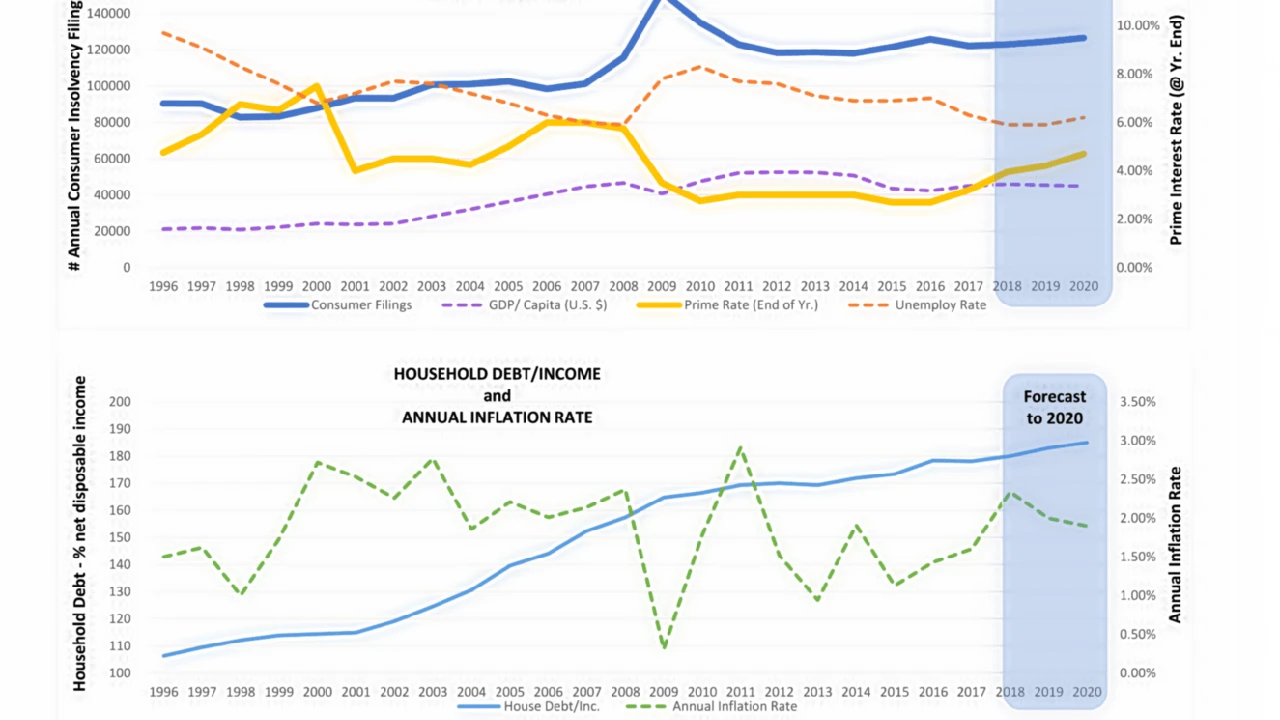
The economic health of Southeast Asia plays a huge role in shaping the debt consolidation market. Factors like interest rates, inflation, and employment levels directly impact people's ability to manage and repay their debts.
Interest Rate Fluctuations and Their Impact on Debt Consolidation Loan Affordability
Central bank policies and global economic conditions directly influence interest rates. When interest rates are low, debt consolidation loans become more attractive as they offer a chance to lock in lower monthly payments. Conversely, rising rates can make consolidation more challenging or less beneficial. The region has seen varying interest rate environments, and future fluctuations will continue to dictate the attractiveness and structure of debt consolidation products.
Inflationary Pressures and the Need for Debt Relief Solutions
Rising inflation erodes purchasing power and can make it harder for households to meet their financial obligations, including debt repayments. In such environments, the demand for debt consolidation often increases as people seek to reduce their monthly outgoings and simplify their finances. Providers will need to offer competitive rates and flexible terms to cater to this need.
Economic Growth and Income Stability Affecting Debt Repayment Capacity
Strong economic growth generally leads to higher employment rates and stable incomes, which improves people's ability to repay their debts. However, economic downturns or periods of instability can increase financial stress and the need for debt relief. Southeast Asia's diverse economies mean that these factors will play out differently across countries, influencing local debt consolidation markets.
Specific Product Recommendations and Use Cases for Debt Consolidation
Let's get practical! While specific product availability and terms vary by country and individual creditworthiness, here are some general types of products and providers that are shaping the future of debt consolidation in Southeast Asia, along with typical use cases and considerations.
1. Digital Personal Loans for Debt Consolidation
Use Case: Ideal for consolidating high-interest credit card debt, multiple small personal loans, or even informal debts. These are often unsecured, meaning you don't need collateral.
Providers & Products:
- Singapore: Banks like DBS, OCBC, UOB offer digital personal loans. Fintechs like Lendela (a loan comparison platform) can help you find competitive rates. Typical interest rates can range from 3% to 10% p.a. for good credit, with loan amounts up to 10x your monthly salary.
- Malaysia: Banks like Maybank, CIMB, Public Bank, and RHB have strong digital offerings. Fintechs like Funding Societies (Modalku), while primarily for SMEs, also have personal loan products or can connect you to partners. Interest rates typically range from 5% to 15% p.a.
- Indonesia: Digital banks like Bank Jago and fintech lenders like Kredivo (for installment loans that can indirectly help manage debt) and Investree (P2P lending) are popular. Interest rates can be higher here, often from 10% to 25% p.a. or more, depending on the platform and risk profile.
- Philippines: Digital lenders like Digido, Cashalo, and traditional banks with strong online presence like BDO, BPI. Interest rates can vary widely, from 15% to 36% p.a. for unsecured loans.
- Thailand: Banks like SCB, KBank, Bangkok Bank offer digital personal loans. Fintechs are emerging but often partner with banks. Interest rates typically from 7% to 20% p.a.
Comparison: Digital personal loans offer speed and convenience. Fintechs might be more flexible with credit assessment but sometimes come with higher interest rates than traditional banks for prime borrowers. Always compare the Effective Interest Rate (EIR) which includes all fees.
2. Balance Transfer Credit Cards for Debt Consolidation
Use Case: Excellent for consolidating high-interest credit card debt from multiple cards into one, often with a 0% interest promotional period.
Providers & Products:
- Across Southeast Asia: Major international and local banks (e.g., Citibank, HSBC, Standard Chartered, DBS, Maybank, BDO) offer balance transfer options.
- Example Product: A Citibank Balance Transfer card might offer 0% interest for 6-12 months, with a one-time transfer fee of 1-3% of the transferred amount.
Comparison: The main advantage is the 0% interest period, allowing you to pay down principal quickly. The catch is that if you don't pay off the balance before the promotional period ends, the interest rate can jump significantly (often 20-28% p.a.). It requires discipline and a clear repayment plan. Transfer fees are also a consideration.
3. Secured Loans (e.g., Home Equity Loans) for Debt Consolidation
Use Case: For homeowners with significant equity, this can be a way to consolidate large amounts of debt at a much lower interest rate than unsecured options. The risk is that your home is collateral.
Providers & Products:
- Across Southeast Asia: Most traditional banks (e.g., DBS, Maybank, BDO, SCB) offer home equity loans or lines of credit (HELOCs).
- Example Product: A DBS Home Equity Loan in Singapore might offer rates as low as 1.5% to 3% p.a., depending on market rates and your credit profile, with loan tenures up to 30 years.
Comparison: Offers the lowest interest rates and longest repayment terms, making monthly payments very manageable. However, it puts your home at risk if you default. It's a serious commitment and should only be considered if you are confident in your ability to repay.
4. P2P Lending Platforms for Debt Consolidation
Use Case: An alternative for individuals who might not qualify for traditional bank loans or are looking for potentially more flexible terms. It connects borrowers directly with individual investors.
Providers & Products:
- Indonesia: Investree, KoinWorks.
- Malaysia: Funding Societies (as mentioned, also has P2P elements).
- Philippines: Platforms like Blend.ph.
Comparison: P2P platforms can offer more competitive rates than some high-interest personal loans, especially for borrowers with decent credit but perhaps unconventional income streams. However, they can also be riskier if the platform isn't well-regulated, and interest rates can still be higher than traditional bank loans for prime borrowers. Due diligence on the platform's reputation and regulatory compliance is crucial.
Challenges and Opportunities for Debt Consolidation in the Future
It's not all smooth sailing, of course. There are challenges, but also huge opportunities for growth and innovation in this space.
Addressing Financial Inclusion and Underserved Populations in Debt Consolidation
A significant portion of the Southeast Asian population remains unbanked or underbanked, especially in rural areas. This presents both a challenge and a massive opportunity. Fintech can bridge this gap by offering accessible debt consolidation solutions to those who traditionally haven't had access to formal credit. This requires innovative approaches to credit scoring and distribution channels.
Managing Cyber Security Risks and Data Privacy in Digital Debt Consolidation
As more financial transactions move online, cybersecurity becomes a critical concern. Protecting sensitive personal and financial data is paramount. Future trends will see increased investment in robust cybersecurity measures and stricter data privacy regulations to build consumer trust in digital debt consolidation platforms.
The Role of Financial Education in Empowering Debt Consolidation Decisions
Ultimately, the success of debt consolidation hinges on informed consumers. Ongoing financial education initiatives, both from governments and private entities, will be crucial to help people understand their options, compare products effectively, and make responsible financial decisions. This includes understanding the fine print, the true cost of borrowing, and the importance of a repayment plan.
So, there you have it! The future of debt consolidation in Southeast Asia is looking incredibly dynamic, driven by technology, evolving regulations, and changing consumer needs. It's a space to watch, and for many, it offers a real pathway to financial freedom in this exciting region.
:max_bytes(150000):strip_icc()/277019-baked-pork-chops-with-cream-of-mushroom-soup-DDMFS-beauty-4x3-BG-7505-5762b731cf30447d9cbbbbbf387beafa.jpg)