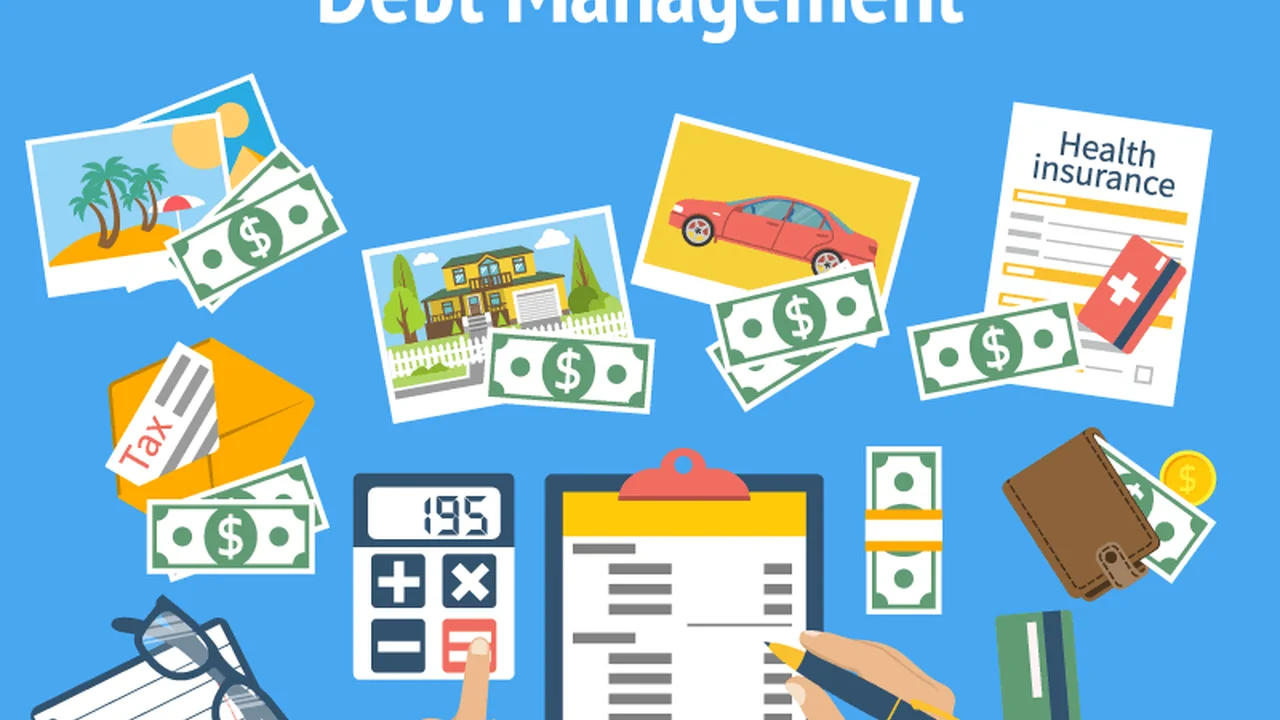
The Long-Term Benefits of Successful Debt Consolidation
Explore the lasting advantages and financial freedom that come with successfully consolidating and eliminating debt.
The Long Term Benefits of Successful Debt Consolidation
Successfully consolidating and eliminating debt isn't just about immediate relief; it's about unlocking a future of lasting advantages and financial freedom. This journey, while challenging, paves the way for a transformed financial landscape, offering benefits that extend far beyond simply reducing your monthly payments. Let's dive deep into the profound, long-term impacts of smart debt consolidation.
Understanding the Core of Debt Consolidation and Its Initial Impact
Before we explore the long-term, it's crucial to grasp the immediate benefits of debt consolidation. At its heart, debt consolidation involves taking out a new loan to pay off multiple existing debts, often at a lower interest rate or with more favorable terms. This simplifies your financial life by replacing several monthly payments with a single, more manageable one. The immediate relief from juggling multiple due dates and varying interest rates is significant. It frees up mental space and often reduces the total amount you pay in interest over time. This initial simplification is the springboard for all the long-term benefits we're about to discuss.Enhanced Credit Score and Financial Reputation
One of the most significant long-term advantages of successful debt consolidation is the positive impact on your credit score and overall financial reputation. When you consistently make on-time payments on your consolidated loan, your payment history, a major component of your credit score, improves. As your old, high-interest debts are paid off, your credit utilization ratio (the amount of credit you're using compared to your total available credit) often decreases, which is another positive signal to credit bureaus. Over time, this leads to a higher credit score. Why does a higher credit score matter in the long run? It's your financial passport. A strong credit score opens doors to:- Lower Interest Rates: Whether you're buying a car, a home, or even applying for new credit cards, a higher score means you'll qualify for better interest rates, saving you thousands over the life of future loans.
- Easier Loan Approvals: Lenders view you as a lower risk, making it easier to get approved for mortgages, auto loans, and personal loans.
- Better Insurance Premiums: In many regions, insurance companies use credit scores to determine premiums. A good score can lead to lower rates on car and home insurance.
- Renting Apartments: Landlords often check credit scores. A good score can make it easier to secure housing.
- Even Employment Opportunities: Some employers, particularly in financial sectors, may check credit as part of their background checks.
Reduced Financial Stress and Improved Mental Well-being
Debt is a leading cause of stress, anxiety, and even depression. The constant worry about bills, the fear of collection calls, and the feeling of being trapped can take a severe toll on your mental and physical health. Successful debt consolidation, by simplifying payments and often reducing the overall debt burden, significantly alleviates this stress. Imagine waking up without the crushing weight of multiple debts. The mental clarity and peace of mind that come with a streamlined financial situation are invaluable. This reduction in stress can lead to:- Better Sleep: Less worry often translates to more restful nights.
- Improved Relationships: Financial stress is a common cause of marital and family conflict. Reducing it can lead to healthier relationships.
- Increased Productivity: With less mental distraction from debt, you can focus more effectively on work, hobbies, and personal growth.
- Enhanced Physical Health: Chronic stress is linked to numerous health problems, from heart disease to weakened immune systems. Reducing financial stress can have a positive ripple effect on your physical well-being.
Increased Savings and Investment Potential for Future Growth
Once your debt is consolidated and you're making manageable payments, you'll likely find yourself with more disposable income. This isn't just extra cash for spending; it's an opportunity to build a stronger financial future through increased savings and investment. With less money going towards high-interest debt, you can redirect those funds into:- Emergency Fund: Building a robust emergency fund (3-6 months of living expenses) is crucial for financial security. It prevents you from falling back into debt when unexpected expenses arise.
- Retirement Accounts: Contributing more to your 401(k), IRA, or other retirement vehicles allows you to take advantage of compound interest, significantly growing your nest egg over decades.
- Investment Portfolio: Beyond retirement, you can start investing in stocks, bonds, mutual funds, or real estate, building wealth and generating passive income.
- Education Savings: Saving for your children's education or your own further learning becomes a realistic goal.
- Down Payments: Saving for a down payment on a home, a car, or another significant purchase becomes achievable without the burden of overwhelming debt.
Achieving Financial Freedom and Independence
Ultimately, the long-term goal of debt consolidation is to achieve financial freedom and independence. This means having enough financial resources to live the life you desire without being constrained by debt. It's about having choices, security, and peace of mind. Financial freedom allows you to:- Pursue Passions: You can take career risks, start a business, or pursue hobbies without the constant pressure of debt payments.
- Travel and Experiences: Enjoy life's experiences without accumulating more debt.
- Give Back: Contribute to causes you care about, whether through donations or volunteering.
- Leave a Legacy: Build generational wealth and provide for your loved ones.
Specific Products and Scenarios for Debt Consolidation Success
To truly understand the long-term benefits, let's look at some specific products and scenarios, including comparisons and typical costs, that contribute to successful debt consolidation.Personal Loans for Debt Consolidation A Versatile Tool
Personal loans are a popular choice for debt consolidation due to their versatility. They are unsecured, meaning you don't need to put up collateral, and they come with fixed interest rates and repayment terms, making budgeting predictable. Scenario: You have $15,000 in credit card debt spread across three cards, with average interest rates of 20-25%. Your minimum payments total $450 per month, but most of it goes to interest. Product Recommendation: Consider personal loans from online lenders or traditional banks. For example, a personal loan from LightStream (a division of Truist) or SoFi. These lenders often offer competitive rates for borrowers with good to excellent credit (typically FICO 670+). Comparison:- LightStream: Known for very competitive rates (e.g., 6.99% - 19.99% APR with AutoPay) for excellent credit, no fees. Loan amounts from $5,000 to $100,000. Repayment terms from 2 to 7 years.
- SoFi: Offers loans from $5,000 to $100,000 with rates from 8.99% - 29.99% APR (with AutoPay). No origination fees, but late fees may apply. Repayment terms from 2 to 7 years.
- Traditional Banks (e.g., Chase, Wells Fargo): May offer slightly higher rates but could be an option if you have an existing relationship. Rates typically range from 7% to 25% APR.
Balance Transfer Credit Cards for Short-Term Debt Management
Balance transfer credit cards can be incredibly effective for consolidating high-interest credit card debt, especially if you can pay off the balance within the promotional 0% APR period. Scenario: You have $8,000 in credit card debt at 18% APR and are confident you can pay it off within 12-18 months. Product Recommendation: Look for cards with long 0% APR introductory periods and low balance transfer fees. Examples include the Citi Simplicity Card or the Wells Fargo Reflect Card. Comparison:- Citi Simplicity Card: Offers 0% intro APR for 21 months on balance transfers (and purchases). After that, the variable APR will be 19.24% - 29.99%. Balance transfer fee of 5% (minimum $5).
- Wells Fargo Reflect Card: Offers 0% intro APR for 21 months on balance transfers (and purchases). After that, the variable APR will be 18.24% - 30.24%. Balance transfer fee of 5% (minimum $5).
Home Equity Loans or HELOCs for Larger Debts
For homeowners with significant equity, a home equity loan or Home Equity Line of Credit (HELOC) can be a powerful consolidation tool, often offering much lower interest rates than unsecured loans because your home serves as collateral. Scenario: You have $40,000 in various debts (credit cards, personal loans) and substantial equity in your home. Product Recommendation: Explore options from your existing mortgage lender or other major banks like Bank of America or Chase. Comparison:- Home Equity Loan: A lump sum loan with a fixed interest rate and fixed monthly payments. Rates typically range from 7% to 12% APR. Closing costs can be 2-5% of the loan amount.
- HELOC: A revolving line of credit, similar to a credit card, allowing you to borrow as needed up to a limit. Rates are usually variable (e.g., Prime Rate + a margin), currently around 8-10% APR. Closing costs can be lower or waived, but interest rates can fluctuate.
Debt Management Plans (DMPs) for Structured Repayment
While not a loan, a Debt Management Plan (DMP) offered by non-profit credit counseling agencies can consolidate payments and often reduce interest rates on credit card debt. It's a structured repayment plan. Scenario: You have significant credit card debt, struggle with budgeting, and need external support to manage payments. Product Recommendation: Non-profit credit counseling agencies like the National Foundation for Credit Counseling (NFCC) or GreenPath Financial Wellness. Comparison:- NFCC Member Agencies: Work with creditors to potentially lower interest rates and waive fees. You make one monthly payment to the agency, and they distribute it to your creditors. Monthly fees typically range from $25-$75.
- GreenPath Financial Wellness: Similar services, focusing on education and support.
:max_bytes(150000):strip_icc()/277019-baked-pork-chops-with-cream-of-mushroom-soup-DDMFS-beauty-4x3-BG-7505-5762b731cf30447d9cbbbbbf387beafa.jpg)