What is Debt Consolidation A Comprehensive Guide
Explore the basics of debt consolidation its benefits and how it can simplify your finances for a clearer financial future.
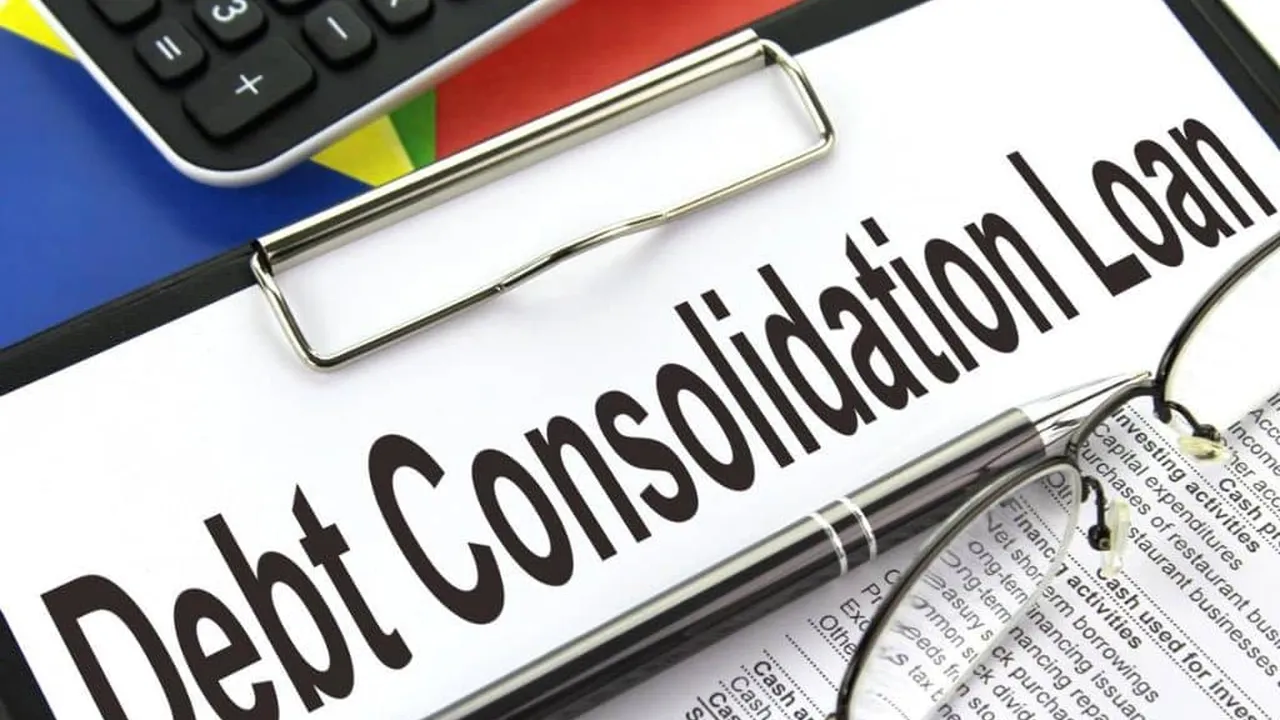
Explore the basics of debt consolidation, its benefits, and how it can simplify your finances for a clearer financial future.
What is Debt Consolidation A Comprehensive Guide
Hey there! Are you feeling swamped by multiple debts, each with its own interest rate, due date, and set of rules? It’s a common scenario, and honestly, it can feel like you’re constantly juggling financial balls, trying not to drop any. If this sounds familiar, then you’ve probably heard the term “debt consolidation” floating around. But what exactly is it? And more importantly, can it actually help you get a handle on your finances and move towards a clearer, less stressful financial future?
In a nutshell, debt consolidation is like hitting the reset button on your debts. Instead of owing money to several different creditors, you take out a new, larger loan or use another financial product to pay off all those smaller debts. The goal? To combine everything into one single, manageable payment, often with a lower interest rate. Think of it as streamlining your financial obligations, making them easier to track and pay down.
This isn't just about convenience, though that's a huge plus. Debt consolidation can potentially save you a significant amount of money in interest over time, reduce your monthly payments, and provide a clear path to becoming debt-free. It’s a powerful tool, but like any financial strategy, it’s not a one-size-fits-all solution. Understanding how it works, its benefits, and the different options available is crucial before you decide if it’s the right move for you.
So, let’s dive deep into the world of debt consolidation. We’ll break down the different types, explore the pros and cons, discuss who it’s best suited for, and even look at some real-world product recommendations to help you make an informed decision. Get ready to simplify your finances and take a big step towards financial freedom!
Understanding Debt Consolidation The Core Concept
At its heart, debt consolidation is about simplification. Imagine you have credit card debt, a personal loan, and maybe some medical bills. Each of these has a different interest rate, a different minimum payment, and a different due date. Keeping track of it all can be a nightmare, and the high interest rates on some of these debts can make it feel like you’re running on a financial treadmill, never getting ahead.
Debt consolidation steps in to solve this problem. You essentially replace multiple debts with a single new debt. This new debt could be a personal loan, a balance transfer credit card, a home equity loan, or even a debt management plan. The key is that this new financial product is used to pay off all your existing, smaller debts. Once those are paid off, you only have one payment to make each month to the new lender.
The primary benefits here are twofold: convenience and potential savings. With one payment, you reduce the chances of missing a due date, which can lead to late fees and damage to your credit score. More importantly, if you can secure a consolidation product with a lower interest rate than the average of your current debts, you’ll pay less in interest over the life of the loan. This means more of your money goes towards paying down the principal, getting you out of debt faster.
It’s important to note that debt consolidation isn't about making your debt disappear. It's about restructuring it to make it more manageable and affordable. It requires discipline and a commitment to stick to your new payment plan. But for many, it’s the lifeline they need to regain control of their financial situation.
The Benefits of Debt Consolidation Simplifying Your Financial Life
So, why do so many people turn to debt consolidation? The advantages can be pretty compelling, especially if you’re feeling overwhelmed by your current debt load. Let’s break down the key benefits:
Lower Interest Rates Saving Money on Debt
This is often the biggest draw. If you have high-interest debts, like credit card balances that are racking up 18-25% APR, consolidating them into a loan with a much lower interest rate (say, 7-12%) can save you a substantial amount of money over time. This means more of your monthly payment goes towards the principal balance, accelerating your debt repayment journey.
Simplified Payments One Bill to Rule Them All
No more juggling multiple due dates, minimum payments, and different online portals. With debt consolidation, you have just one monthly payment to remember. This drastically reduces the mental load and the risk of missing a payment, which can lead to late fees and negative marks on your credit report.
Reduced Monthly Payments Improving Cash Flow
Depending on the terms of your consolidation, you might be able to lower your overall monthly payment. This can free up cash flow, making it easier to cover your essential expenses and potentially even start building an emergency fund. However, be cautious here: sometimes a lower monthly payment comes with a longer repayment period, meaning you might pay more interest overall. It’s a trade-off to consider.
Clearer Path to Debt Freedom A Defined End Date
When you have multiple debts, it can feel like you’re never going to pay them off. Debt consolidation often comes with a fixed repayment schedule, giving you a clear end date for when you’ll be debt-free. This can be incredibly motivating and help you stay on track.
Potential Credit Score Improvement Managing Debt Responsibly
While the initial application for a new loan might cause a temporary dip in your credit score, successfully managing your consolidated debt can lead to improvements. Paying on time, reducing your credit utilization (especially if you pay off high-balance credit cards), and having a mix of credit types can all positively impact your score over the long term.
Types of Debt Consolidation Exploring Your Options
There isn't just one way to consolidate debt. Several financial products and strategies can help you achieve this goal. The best option for you will depend on your credit score, the amount of debt you have, and your financial goals.
Personal Loans for Debt Consolidation Unsecured and Flexible
This is one of the most common methods. You take out an unsecured personal loan from a bank, credit union, or online lender. The loan has a fixed interest rate and a fixed repayment period. You then use the funds from this loan to pay off your existing high-interest debts. Once those are cleared, you only have the personal loan payment to make.
Pros:
- Fixed interest rates and predictable monthly payments.
- No collateral required (unsecured).
- Can be used to consolidate various types of unsecured debt.
Cons:
- Requires a decent credit score to get favorable rates.
- Interest rates can still be high if your credit isn't excellent.
- Some loans have origination fees.
Product Recommendations (Examples for US Market):
- SoFi Personal Loan: Known for competitive rates for good to excellent credit, no origination fees, and flexible terms. Good for consolidating credit card debt or other personal loans.
- LightStream Personal Loan: Offers very competitive rates for borrowers with excellent credit. They also have a rate beat program. No fees.
- Marcus by Goldman Sachs Personal Loan: No fees, competitive rates, and a user-friendly online experience. Good for those looking for a straightforward personal loan.
- Discover Personal Loan: No origination fees, fixed rates, and flexible repayment terms. Good for a range of credit scores.
Usage Scenario:
Sarah has $15,000 in credit card debt spread across three cards, with an average interest rate of 20%. Her credit score is 720. She takes out a $15,000 personal loan from SoFi at 9% APR over 5 years. She uses the loan to pay off her credit cards. Now, instead of three high-interest payments, she has one predictable payment at a much lower rate, saving her hundreds in interest each year.
Balance Transfer Credit Cards Shifting High-Interest Debt
A balance transfer credit card allows you to move balances from one or more high-interest credit cards to a new card, often with an introductory 0% APR period (typically 12-21 months). This gives you a window of time to pay down your debt without accruing any interest.
Pros:
- 0% APR for an introductory period can save a lot of money if paid off in time.
- Can be a quick way to consolidate credit card debt.
Cons:
- Requires excellent credit to qualify for the best offers.
- Balance transfer fees (usually 3-5% of the transferred amount) apply.
- If the balance isn't paid off before the 0% APR period ends, the remaining balance will be subject to a much higher standard APR.
- Only suitable for credit card debt, not other types of loans.
Product Recommendations (Examples for US Market):
- Chase Slate Edge: Offers a long 0% intro APR period on balance transfers and purchases, with a 3% balance transfer fee.
- Citi Simplicity Card: Known for one of the longest 0% intro APR periods on balance transfers, but also has a 3% balance transfer fee.
- Wells Fargo Reflect Card: Offers a very long 0% intro APR period on balance transfers and purchases, with a 3% balance transfer fee.
Usage Scenario:
David has $8,000 in credit card debt on two cards, with an average interest rate of 19%. His credit score is 760. He applies for a Citi Simplicity Card with a 21-month 0% APR on balance transfers. He pays a 3% balance transfer fee ($240) but now has almost two years to pay off his debt interest-free. He commits to paying $380 per month to clear the debt before the promotional period ends.
Home Equity Loans or HELOCs Leveraging Your Home's Value
If you own a home and have equity built up, you can use a home equity loan or a Home Equity Line of Credit (HELOC) to consolidate debt. A home equity loan is a lump sum with a fixed interest rate, while a HELOC is a revolving line of credit, similar to a credit card, with a variable interest rate.
Pros:
- Typically offer much lower interest rates than unsecured loans because your home acts as collateral.
- Interest may be tax-deductible (consult a tax advisor).
- Can consolidate larger amounts of debt.
Cons:
- Your home is collateral, meaning you could lose it if you default on payments.
- Closing costs and fees can be significant.
- HELOCs have variable interest rates, which can increase your payments if rates rise.
Product Recommendations (Examples for US Market):
- Bank of America Home Equity Loan/HELOC: Offers competitive rates and various terms.
- Wells Fargo Home Equity Loan/HELOC: Another major bank with a range of options.
- Local Credit Unions: Often provide excellent rates and personalized service for home equity products.
Usage Scenario:
Maria and John have $40,000 in various debts (car loan, credit cards, old student loan) and $100,000 in equity in their home. They take out a $40,000 home equity loan at 6% APR over 15 years. They use this to pay off all their other debts. Their monthly payments are lower, and they save significantly on interest, but they understand the risk of using their home as collateral.
Debt Management Plans (DMPs) Through Credit Counseling
A Debt Management Plan isn't a loan, but a structured repayment plan facilitated by a non-profit credit counseling agency. The agency negotiates with your creditors to potentially lower interest rates, waive fees, and combine your payments into one monthly sum that you pay to the agency, and they then distribute to your creditors.
Pros:
- Can lower interest rates and stop collection calls.
- No new loan required.
- Provides financial education and support.
- Often available to those with lower credit scores.
Cons:
- Doesn't pay off debt immediately; it's a repayment plan.
- May require closing credit card accounts.
- Small monthly fees for the counseling service.
- Can negatively impact your credit score in the short term as accounts are closed or marked as 'managed'.
Product Recommendations (Examples for US Market):
- National Foundation for Credit Counseling (NFCC) members: A network of reputable non-profit credit counseling agencies.
- GreenPath Financial Wellness: A well-known non-profit offering DMPs and financial education.
- Money Management International (MMI): Another large, reputable non-profit credit counseling agency.
Usage Scenario:
Robert has $25,000 in credit card debt and a low credit score, making him ineligible for personal loans or balance transfer cards with good rates. He contacts GreenPath Financial Wellness, who helps him set up a DMP. They negotiate with his creditors to reduce his average interest rate from 22% to 8% and combine his payments into one manageable monthly sum. He commits to the 4-year plan, slowly but surely paying down his debt.
Is Debt Consolidation Right for You Factors to Consider
Before jumping into debt consolidation, it’s crucial to assess your personal financial situation. It’s not a magic bullet, and it requires careful consideration.
Your Credit Score The Gateway to Better Rates
Your credit score plays a massive role in the types of consolidation options available to you and the interest rates you’ll qualify for. Generally:
- Excellent Credit (740+): You’ll have access to the best personal loan rates and balance transfer offers.
- Good Credit (670-739): Still good options for personal loans, though rates might be slightly higher. Balance transfer cards are also possible.
- Fair Credit (580-669): Personal loan options might be limited or come with higher interest rates. DMPs become a more viable option.
- Poor Credit (below 580): Personal loans are difficult to get with reasonable rates. DMPs or secured loans (like home equity) might be your primary options.
Your Debt Amount How Much Do You Owe
The total amount of debt you have will influence which consolidation method is most appropriate. Small amounts of credit card debt (under $10,000) might be best suited for a balance transfer card. Larger amounts (tens of thousands) might require a personal loan or a home equity loan. Very large, unmanageable debts might point towards a DMP or even bankruptcy as a last resort.
Your Spending Habits Addressing the Root Cause
This is perhaps the most critical factor. Debt consolidation treats the symptom (multiple debts) but not necessarily the cause (overspending, lack of budgeting, financial emergencies). If you consolidate your debts but don't change the habits that led to debt in the first place, you risk falling back into debt, potentially even deeper than before. Be honest with yourself: are you ready to commit to a budget, cut unnecessary expenses, and live within your means?
Your Financial Goals What Do You Want to Achieve
Are you looking for lower monthly payments, a lower overall interest cost, or simply the convenience of one payment? Your primary goal will help you choose the right consolidation product. For example, if your main goal is to pay zero interest for a period, a balance transfer card is ideal. If you want a fixed payment and a clear end date, a personal loan might be better.
The Process of Debt Consolidation Step by Step
Once you’ve decided that debt consolidation is a good fit for you, here’s a general roadmap of how the process usually unfolds:
Step 1 Assess Your Current Debt Situation
Gather all your debt information: creditor names, current balances, interest rates, minimum payments, and due dates. This will give you a clear picture of what you’re dealing with and help you calculate your total debt and average interest rate.
Step 2 Check Your Credit Score
Knowing your credit score is essential. You can get free credit reports from AnnualCreditReport.com and often check your score through your bank or credit card provider. This will inform you about which consolidation options are realistic for you.
Step 3 Research and Compare Consolidation Options
Based on your debt and credit score, research the different types of consolidation products (personal loans, balance transfer cards, home equity loans, DMPs). Compare interest rates, fees, repayment terms, and eligibility requirements from various lenders and agencies.
Step 4 Apply for Your Chosen Product
Once you’ve selected the best option, complete the application. Be prepared to provide personal financial information, including income, employment details, and possibly asset information (for secured loans).
Step 5 Pay Off Your Existing Debts
If approved, the funds from your new loan or credit line will be disbursed. Use this money immediately to pay off your old, high-interest debts. It’s crucial to ensure all old accounts are paid in full and closed if necessary (especially for balance transfers to avoid new spending).
Step 6 Stick to Your New Payment Plan
This is where discipline comes in. Make your new consolidated payment on time, every time. Consider setting up automatic payments to avoid missing due dates. Also, resist the urge to rack up new debt on your now-empty credit cards.
Potential Pitfalls and How to Avoid Them
While debt consolidation offers many advantages, it’s not without its risks. Being aware of these potential pitfalls can help you navigate the process successfully.
Falling Back into Debt The Revolving Door
This is the biggest danger. If you consolidate your debts but don't address the underlying spending habits, you might find yourself with new debt on your old credit cards while still paying off the consolidation loan. This leaves you in a worse position than before. The solution? A strict budget and a commitment to responsible spending.
High Fees and Hidden Costs Read the Fine Print
Some consolidation products come with fees, such as origination fees for personal loans or balance transfer fees for credit cards. These can add to the overall cost of your debt. Always read the fine print and understand all associated costs before committing.
Longer Repayment Periods Paying More Interest Overall
Sometimes, a lower monthly payment is achieved by extending the repayment period. While this can ease your immediate cash flow, it often means you’ll pay more in total interest over the life of the loan. Calculate the total cost of the loan (principal + interest + fees) to ensure it’s truly beneficial.
Impact on Your Credit Score Short-Term Dip
Applying for a new loan or credit card involves a hard inquiry on your credit report, which can temporarily lower your score. Additionally, closing old accounts or having accounts marked as 'managed' in a DMP can also have a short-term negative impact. However, consistent on-time payments on your consolidated debt will help your score recover and improve over time.
Scams and Predatory Lenders Be Vigilant
Unfortunately, the debt relief industry has its share of unscrupulous players. Be wary of companies that promise to eliminate your debt quickly, charge large upfront fees, or pressure you into signing without fully understanding the terms. Always research companies through the Better Business Bureau (BBB) and consumer protection agencies.
Beyond Consolidation Building a Debt-Free Future
Debt consolidation is a powerful first step, but it's just that – a step. To truly achieve financial freedom, you need to build sustainable habits that prevent future debt accumulation. Here are some key areas to focus on:
Creating and Sticking to a Budget Your Financial GPS
A budget is your roadmap to financial success. It helps you track your income and expenses, identify areas where you can cut back, and ensure you have enough money to cover your consolidated debt payments and other necessities. There are many budgeting methods and apps available, so find one that works for you and stick with it.
Building an Emergency Fund Your Financial Safety Net
One of the main reasons people fall into debt is unexpected expenses. A robust emergency fund (ideally 3-6 months of living expenses) can protect you from having to rely on credit cards when life throws a curveball. Start small, even $500-$1,000, and gradually build it up.
Mindful Spending Breaking the Cycle
Before making a purchase, especially a non-essential one, take a moment to consider if you truly need it and if it aligns with your financial goals. Distinguish between needs and wants. This mindful approach to spending can prevent you from accumulating new debt.
Continuous Financial Education Always Learning
The world of personal finance is constantly evolving. Stay informed about best practices, investment strategies, and new financial products. The more you know, the better equipped you’ll be to make smart financial decisions.
Setting New Financial Goals What's Next
Once you’re on track with your consolidated debt, start setting new financial goals. This could be saving for a down payment on a house, investing for retirement, or funding your children's education. Having clear goals provides motivation and direction for your financial journey.
Debt consolidation can be a game-changer for many, offering a fresh start and a simplified path to becoming debt-free. By understanding your options, carefully weighing the pros and cons, and committing to responsible financial habits, you can leverage this tool to transform your financial future. It’s about taking control, making informed choices, and building a solid foundation for lasting financial wellness. You got this!
:max_bytes(150000):strip_icc()/277019-baked-pork-chops-with-cream-of-mushroom-soup-DDMFS-beauty-4x3-BG-7505-5762b731cf30447d9cbbbbbf387beafa.jpg)