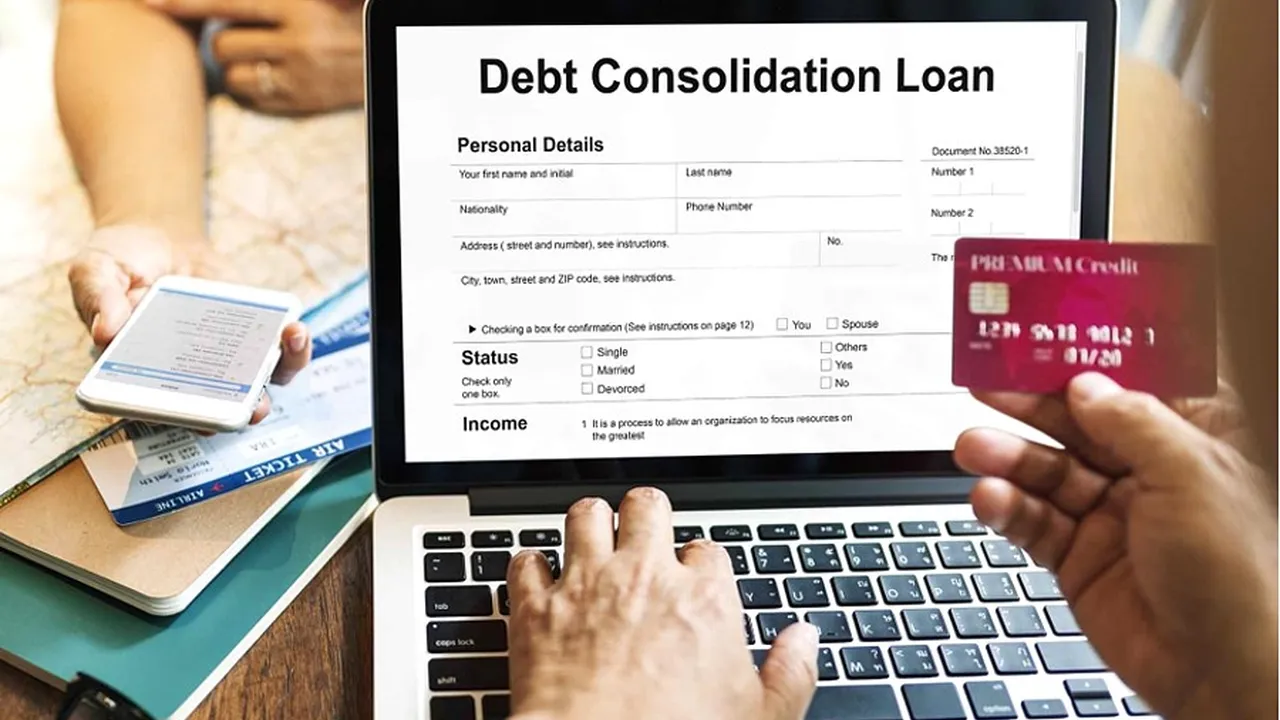
Debt Consolidation for High Interest Credit Card Debt
Learn how debt consolidation can be a powerful tool for managing and reducing high-interest credit card debt effectively.
Learn how debt consolidation can be a powerful tool for managing and reducing high-interest credit card debt effectively.
Debt Consolidation for High Interest Credit Card Debt
Understanding High Interest Credit Card Debt and Its Impact
Hey there! Let's talk about something many of us deal with: high-interest credit card debt. It's like a sneaky monster that keeps growing, making it feel impossible to get ahead. You make your minimum payments, but the balance barely budges, and a huge chunk of your money goes straight to interest. This isn't just frustrating; it can seriously impact your financial health, your credit score, and even your peace of mind. Imagine having multiple credit cards, each with a different due date, a different interest rate, and a different minimum payment. It's a juggling act that can lead to missed payments, late fees, and even more interest charges. This cycle can feel never-ending, but there's a powerful strategy that can help you break free: debt consolidation.
High-interest credit card debt often comes with APRs (Annual Percentage Rates) that can range from 15% to over 25%, sometimes even higher if you have a penalty APR. When you carry a balance month after month, this interest compounds, meaning you're paying interest on interest. This makes it incredibly difficult to pay down the principal amount. For example, if you have a $10,000 credit card balance at 20% APR and only make the minimum payment (often 1-3% of the balance), it could take you decades to pay it off and cost you thousands in interest alone. This kind of debt can also limit your ability to save for important goals like a down payment on a house, retirement, or even just a much-needed vacation. It can also cause significant stress and anxiety, affecting your overall well-being.
What is Debt Consolidation and How Does It Help with Credit Card Debt
So, what exactly is debt consolidation? Simply put, it's the process of combining multiple debts, typically high-interest ones like credit card balances, into a single, new loan with a lower interest rate and often a more manageable monthly payment. Think of it as streamlining your debt. Instead of sending payments to three, four, or even five different credit card companies, you make one single payment to one lender. This simplifies your finances, reduces the chances of missing a payment, and most importantly, can save you a significant amount of money on interest.
The primary goal of debt consolidation for credit card debt is to reduce the overall cost of your debt and make it easier to manage. By securing a new loan with a lower interest rate, more of your monthly payment goes towards paying down the principal balance, rather than just covering interest charges. This accelerates your path to becoming debt-free. It also provides a clear repayment schedule, so you know exactly when your debt will be paid off, which can be incredibly motivating. Plus, having one fixed monthly payment can make budgeting much simpler and more predictable.
Top 5 Debt Consolidation Options for High Interest Credit Card Debt
When it comes to consolidating high-interest credit card debt, you've got a few solid options. Let's break down the most popular and effective ones:
1. Personal Loans for Credit Card Debt Consolidation
Personal loans are one of the most common and straightforward ways to consolidate credit card debt. You borrow a lump sum from a bank, credit union, or online lender, and then use that money to pay off all your credit card balances. You then repay the personal loan with fixed monthly payments over a set period, usually 2 to 7 years. The key here is to secure a personal loan with a lower interest rate than what you're currently paying on your credit cards. Your eligibility and interest rate will largely depend on your credit score, income, and debt-to-income ratio.
Pros: Fixed interest rates and monthly payments, clear repayment schedule, often lower interest rates than credit cards, simplifies payments to one lender. Cons: Requires a decent credit score for the best rates, may have origination fees, not always available for very large debt amounts.
Recommended Products & Scenarios:
- LightStream: Known for competitive rates for borrowers with excellent credit (typically 700+). They offer loans from $5,000 to $100,000 with terms from 24 to 84 months. No origination fees. Ideal for those with strong credit looking for the lowest possible APR.
- SoFi: Offers personal loans up to $100,000 with competitive rates, often without origination fees. They consider factors beyond just your credit score, making them a good option for high-income earners with good to excellent credit. Terms typically 2-7 years.
- Marcus by Goldman Sachs: Provides personal loans from $3,500 to $40,000 with no fees (no origination, late, or prepayment fees). They offer personalized rates and flexible payment options. Good for those with good credit (660+) looking for transparency and no hidden costs.
- Upstart: Unique in that they use AI to evaluate more than just your credit score, making them accessible to a wider range of borrowers, including those with limited credit history or lower scores (down to 600). Loan amounts from $1,000 to $50,000. Can be a good option if you've been turned down elsewhere but have a good education or job history.
Example Comparison: Let's say you have $15,000 in credit card debt at an average APR of 22%. A personal loan from LightStream at 7% APR over 5 years would save you thousands in interest and significantly reduce your monthly payment. If your credit score is lower, say 650, Upstart might offer you a loan at 15% APR, which is still a substantial saving compared to 22%.
2. Balance Transfer Credit Cards for High Interest Debt
Balance transfer credit cards are fantastic if you can qualify for one with a 0% introductory APR. This means you transfer your existing high-interest credit card balances to a new card, and for a promotional period (usually 6 to 21 months), you pay no interest on the transferred balance. This gives you a golden opportunity to pay down a significant portion of your principal without interest eating into your payments.
Pros: 0% interest for an introductory period, can save a lot of money if paid off within the promotional window. Cons: Requires excellent credit for the best offers, usually comes with a balance transfer fee (typically 3-5% of the transferred amount), if you don't pay off the balance before the intro period ends, the interest rate can jump significantly, and you might end up with a higher APR than your original cards.
Recommended Products & Scenarios:
- Chase Slate Edge: Offers a 0% intro APR for 18 months on purchases and balance transfers. Balance transfer fee is 3% for transfers made within 60 days. No annual fee. Good for those who can pay off their debt within 18 months.
- Citi Simplicity Card: Known for one of the longest 0% intro APR periods – 21 months on balance transfers and 12 months on purchases. Balance transfer fee is 3% intro fee, then 5%. No annual fee, no late fees, no penalty rate. Excellent for those needing a longer runway to pay off debt.
- BankAmericard Credit Card: Provides a 0% intro APR for 18 billing cycles on purchases and balance transfers. Balance transfer fee is 3%. No annual fee. A solid choice for a decent intro period.
- Wells Fargo Reflect Card: Offers one of the longest 0% intro APR periods available: 21 months from account opening on purchases and qualifying balance transfers. Balance transfer fee is 5%. No annual fee. Great for maximizing your interest-free period.
Example Comparison: If you have $8,000 in credit card debt at 24% APR and transfer it to a Citi Simplicity Card with a 21-month 0% intro APR and a 3% transfer fee ($240), you'd save over $2,000 in interest if you pay it off within the 21 months. If you only pay the minimum, however, the remaining balance will accrue interest at the standard variable APR, which could be high.
3. Home Equity Loans or HELOCs for Debt Consolidation
If you're a homeowner with significant equity in your home, a home equity loan or a Home Equity Line of Credit (HELOC) can be a powerful tool for debt consolidation. These are secured loans, meaning your home acts as collateral. Because of this, they typically offer much lower interest rates than unsecured personal loans or credit cards.
- Home Equity Loan: A lump sum loan with a fixed interest rate and fixed monthly payments over a set term.
- HELOC: A revolving line of credit, similar to a credit card, where you can borrow money as needed up to a certain limit during a draw period, and then repay it during a repayment period. Interest rates are usually variable.
Pros: Very low interest rates, potentially tax-deductible interest (consult a tax advisor), can consolidate very large amounts of debt. Cons: Your home is collateral, meaning you could lose it if you default. Variable rates on HELOCs can increase, making payments less predictable. Closing costs and fees can apply.
Recommended Products & Scenarios:
- Local Banks and Credit Unions: Often offer the most competitive rates and personalized service for home equity products. Check with institutions like Chase, Bank of America, Wells Fargo, or your local credit union.
- Figure Technologies: An online lender offering HELOCs with a fast application and funding process. They often have competitive rates and can be a good option for those looking for speed and convenience.
Example Comparison: Consolidating $30,000 in credit card debt at 20% APR with a home equity loan at 6% APR could save you tens of thousands of dollars over the life of the loan. However, the risk of losing your home if you can't make payments is a serious consideration.
4. Debt Management Plans (DMPs) through Credit Counseling
A Debt Management Plan isn't a loan, but it's a form of debt consolidation facilitated by a non-profit credit counseling agency. The agency negotiates with your creditors to lower your interest rates, waive fees, and combine your multiple credit card payments into one single, more affordable monthly payment. You make this one payment to the credit counseling agency, and they distribute it to your creditors.
Pros: Lower interest rates, simplified payments, no new loan required, can be an option even with less-than-perfect credit, provides financial education and support. Cons: Your credit cards are closed, which can temporarily impact your credit score. You typically pay a monthly fee to the counseling agency. It can take 3-5 years to complete.
Recommended Agencies & Scenarios:
- National Foundation for Credit Counseling (NFCC): A network of reputable non-profit credit counseling agencies. They offer free initial consultations and can help you determine if a DMP is right for you.
- GreenPath Financial Wellness: Another highly-rated non-profit agency offering DMPs, housing counseling, and financial education.
Example Comparison: If you have $10,000 across three credit cards with an average APR of 25%, a DMP might reduce your average interest rate to 8-10%. This could significantly lower your monthly payment and allow you to pay off the debt in 3-5 years, saving you thousands in interest compared to struggling with high-interest minimum payments.
5. Retirement Account Loans (401k Loans) for Debt Consolidation
Some 401(k) plans allow you to borrow against your vested balance. You essentially borrow money from yourself, and you repay it with interest, which goes back into your own retirement account. This can be an attractive option because the interest rates are often low, and the approval process is usually straightforward since you're borrowing your own money.
Pros: Low interest rates (often prime rate + 1%), interest paid back to yourself, no credit check required, easy approval. Cons: Reduces your retirement savings, potential for missed investment gains, if you leave your job, the loan often becomes due immediately (or within 60-90 days), and if you can't repay it, it's treated as an early withdrawal, subject to income tax and a 10% penalty if you're under 59.5.
Recommended Scenarios: This is generally considered a last resort due to the risks to your retirement savings. Only consider this if you have a stable job, a clear plan to repay the loan quickly, and no other viable options. Always consult with a financial advisor before taking a 401(k) loan.
Example Comparison: Borrowing $10,000 from your 401(k) at 5% interest to pay off credit card debt at 20% APR would save you a lot in interest. However, if the stock market has a strong year and your 401(k) would have grown by 10%, you've missed out on that growth, which could be more than the interest saved. The biggest risk is the tax and penalty if you lose your job and can't repay.
Choosing the Right Debt Consolidation Strategy for Your Situation
Alright, so you've got these options, but how do you pick the best one for you? It's not a one-size-fits-all deal. Your credit score, the amount of debt you have, your income, and even your discipline play a huge role.
Assessing Your Credit Score and Financial Health
Your credit score is probably the biggest factor. If you have excellent credit (720+), you're in a great position to get the best rates on personal loans and qualify for those sweet 0% balance transfer cards. Good credit (670-719) still opens up many doors, though rates might be slightly higher. Fair credit (600-669) makes it tougher, but options like Upstart or a DMP might be more accessible. If your credit is poor (below 600), a DMP or a secured loan (like a home equity loan if you own a home) might be your best bet, as unsecured personal loans will be hard to come by with favorable terms.
Beyond your score, look at your debt-to-income ratio. Lenders want to see that you can comfortably afford new payments. If your DTI is too high, it signals risk. Also, consider your employment stability. A steady job makes lenders more confident in your ability to repay.
Comparing Interest Rates Fees and Repayment Terms
This is where the real savings happen. Always compare the APRs of potential consolidation options against your current credit card APRs. A lower APR means more of your payment goes to principal. But don't just look at the rate! Factor in any fees:
- Origination fees: Common with personal loans, usually 1-8% of the loan amount, deducted from the principal.
- Balance transfer fees: Typically 3-5% of the transferred amount for 0% intro APR cards.
- Annual fees: Some credit cards have them, though many balance transfer cards don't.
- Closing costs: For home equity loans/HELOCs, similar to a mortgage.
- Monthly fees: For Debt Management Plans.
Repayment terms are also crucial. A longer term means lower monthly payments but more interest paid over time. A shorter term means higher monthly payments but less interest overall. Find a balance that fits your budget without stretching you too thin.
Understanding the Risks and Rewards of Each Option
- Personal Loans: Reward is a fixed, lower payment. Risk is that if you don't get a significantly lower rate, it might not save you much, and you still have debt.
- Balance Transfer Cards: Huge reward if you pay it off during the 0% intro period. Big risk if you don't, as the rate can skyrocket. Also, the temptation to use the newly freed-up credit on your old cards can lead to more debt.
- Home Equity Loans/HELOCs: Lowest rates are a big reward. The massive risk is losing your home if you default. Only for the very disciplined and financially stable.
- Debt Management Plans: Reward is lower interest and structured repayment with support. Risk is that your credit cards are closed, and it takes time.
- 401(k) Loans: Low interest and easy access are rewards. Major risks include missed investment growth, immediate repayment if you leave your job, and tax penalties.
Practical Steps to Consolidate Your High Interest Credit Card Debt
Ready to take action? Here's a step-by-step guide to getting your high-interest credit card debt under control:
1. Calculate Your Total Debt and Average Interest Rate
First things first, get a clear picture of what you're dealing with. List all your credit cards, their current balances, and their individual interest rates (APRs). Sum up all the balances to get your total debt. Then, calculate your weighted average interest rate. This will give you a benchmark to beat with any consolidation option. For example, if you have $5,000 at 25% and $10,000 at 18%, your average isn't just (25+18)/2. You need to weight it by the balance. This step is crucial for understanding your current financial burden.
2. Check Your Credit Score and Report
Before applying for any new credit, know where you stand. Get your free credit report from AnnualCreditReport.com and check your credit score. Many banks and credit card companies offer free credit score access. This will help you gauge which consolidation options are realistic for you and what kind of rates you might expect. If there are errors on your report, dispute them to potentially boost your score.
3. Research and Compare Different Lenders and Products
Don't just jump at the first offer! Spend time researching personal loan lenders (banks, credit unions, online lenders), balance transfer credit cards, and credit counseling agencies. Look at their interest rates, fees, eligibility requirements, and customer reviews. Use online comparison tools to get pre-qualified for personal loans without impacting your credit score. For balance transfer cards, look for the longest 0% intro APR period with the lowest balance transfer fee.
4. Apply for Your Chosen Consolidation Option
Once you've picked the best option for you, it's time to apply. Be prepared to provide personal information, income details, and possibly bank statements. For personal loans, the application process can be quick, sometimes with same-day approval and funding within a few business days. For balance transfer cards, it's usually a straightforward credit card application. If you're going with a DMP, you'll have an initial consultation with a credit counselor.
5. Pay Off Your High Interest Credit Cards
This is the satisfying part! Once your personal loan is funded or your balance transfer is complete, immediately use the funds to pay off your high-interest credit card balances. Make sure to pay the full amount you intended to consolidate. Double-check that the payments have gone through and your credit card balances are zero or significantly reduced.
6. Create a Repayment Plan and Stick to It
Now that you have one consolidated payment, create a strict budget and repayment plan. Make sure your new monthly payment is affordable and that you can consistently make it on time. Set up automatic payments to avoid missing due dates. The goal is to pay off this consolidated debt as quickly as possible to minimize interest. Avoid the temptation to use your newly freed-up credit cards; consider cutting them up or putting them away to prevent accumulating new debt.
Common Pitfalls to Avoid When Consolidating Credit Card Debt
Debt consolidation is a powerful tool, but it's not magic. There are some common traps people fall into that can make things worse. Let's make sure you avoid them!
1. Accumulating New Debt After Consolidation
This is probably the biggest mistake. You've worked hard to consolidate your debt, and suddenly your credit cards have zero balances. It's easy to think, 'Great, I have available credit again!' and start spending. Don't do it! If you consolidate your debt but don't address the underlying spending habits that led to the debt in the first place, you'll quickly find yourself with a new consolidated loan payment PLUS new credit card debt. This is a recipe for a much deeper financial hole. Consider closing some of your credit card accounts or freezing them to remove the temptation.
2. Not Getting a Lower Interest Rate
The whole point of debt consolidation is to save money on interest. If the interest rate on your new consolidated loan or balance transfer card isn't significantly lower than your current average credit card APR, then it might not be worth it. Always do the math. Factor in any fees (origination fees, balance transfer fees) when comparing the total cost. Sometimes, a slightly lower rate isn't enough to offset a hefty fee.
3. Extending the Repayment Period Too Much
While a longer repayment period means lower monthly payments, it also means you'll pay more in total interest over the life of the loan. It's a trade-off. Aim for the shortest repayment period you can comfortably afford. If you stretch it out too long, the interest savings might be minimal, or you might even end up paying more overall than if you had just stuck with your original credit card payments (assuming you were paying more than the minimum).
4. Ignoring the Underlying Spending Habits
Debt is often a symptom of deeper financial habits. If you don't take the time to understand why you accumulated high-interest credit card debt in the first place – whether it's overspending, lack of budgeting, or unexpected emergencies – you're likely to repeat the cycle. Debt consolidation offers a fresh start, but it's up to you to make lasting changes. This might involve creating a strict budget, tracking your spending, or even seeking financial counseling to develop healthier money habits.
5. Not Reading the Fine Print
Always, always read the terms and conditions of any loan or credit card offer. Look for hidden fees, variable interest rate clauses (especially with HELOCs or after a 0% intro period), and prepayment penalties. Understand what happens if you miss a payment or if your financial situation changes. Being fully informed protects you from unpleasant surprises down the road.
Building a Debt-Free Future After Consolidation
Okay, you've consolidated your debt, you're making your payments, and you're feeling good. But the journey isn't over! This is your chance to build a truly debt-free and financially secure future. Here's how to keep that momentum going:
1. Stick to Your Budget and Track Your Spending
This is non-negotiable. Your budget is your roadmap to financial freedom. Create one if you haven't already, and stick to it like glue. Track every dollar you spend to ensure you're not overspending and that you have enough to cover your consolidated debt payment and other essentials. Tools like Mint, YNAB (You Need A Budget), or even a simple spreadsheet can help you stay on track. Regular budget reviews (weekly or monthly) are key to making sure you're aligned with your financial goals.
2. Build an Emergency Fund
One of the biggest reasons people fall back into debt is unexpected expenses. A car repair, a medical bill, or a job loss can quickly derail your progress if you don't have a safety net. Start building an emergency fund with at least 3-6 months' worth of living expenses in a separate, easily accessible savings account. This fund acts as a buffer, preventing you from relying on credit cards when life throws you a curveball.
3. Continue to Monitor Your Credit Score
Your credit score is a reflection of your financial health. Keep an eye on it regularly. As you consistently make on-time payments on your consolidated debt, your score should improve. A better credit score opens doors to better rates on future loans (like a mortgage or car loan) and can even impact things like insurance premiums. Use free services like Credit Karma or your bank's credit monitoring tools.
4. Set New Financial Goals
Once your high-interest credit card debt is under control, don't stop there! Set new, exciting financial goals. Maybe it's saving for a down payment on a house, investing for retirement, starting a business, or funding your kids' education. Having clear goals will keep you motivated and focused on building wealth rather than just paying off debt. Break these goals down into smaller, achievable steps.
5. Consider Investing and Saving for Retirement
With your debt burden reduced, you'll have more disposable income. This is a fantastic opportunity to start or increase your contributions to retirement accounts (like a 401(k) or IRA) and other investment vehicles. The sooner you start investing, the more time your money has to grow thanks to the power of compounding. Even small, consistent contributions can make a huge difference over time. If your employer offers a 401(k) match, make sure you're contributing enough to get the full match – it's free money!
6. Educate Yourself Continuously
The world of personal finance is always evolving. Continue to read books, listen to podcasts, and follow reputable financial blogs. The more you learn about managing money, investing, and building wealth, the better equipped you'll be to make smart financial decisions and maintain your debt-free status for the long haul. Financial literacy is a lifelong journey, and it's one of the best investments you can make in yourself.
Debt consolidation for high-interest credit card debt isn't just about moving numbers around; it's about taking control, simplifying your life, and setting yourself up for a brighter financial future. It requires careful planning, discipline, and a commitment to changing your financial habits. But with the right strategy and a bit of perseverance, you can absolutely break free from the credit card debt cycle and achieve true financial peace.
:max_bytes(150000):strip_icc()/277019-baked-pork-chops-with-cream-of-mushroom-soup-DDMFS-beauty-4x3-BG-7505-5762b731cf30447d9cbbbbbf387beafa.jpg)