Home Equity Loans for Debt Consolidation Risks and Rewards
Explore using home equity loans for debt consolidation weighing the potential benefits against the associated risks.
Explore using home equity loans for debt consolidation, weighing the potential benefits against the associated risks.
Home Equity Loans for Debt Consolidation Risks and Rewards
Understanding Home Equity Loans for Debt Consolidation
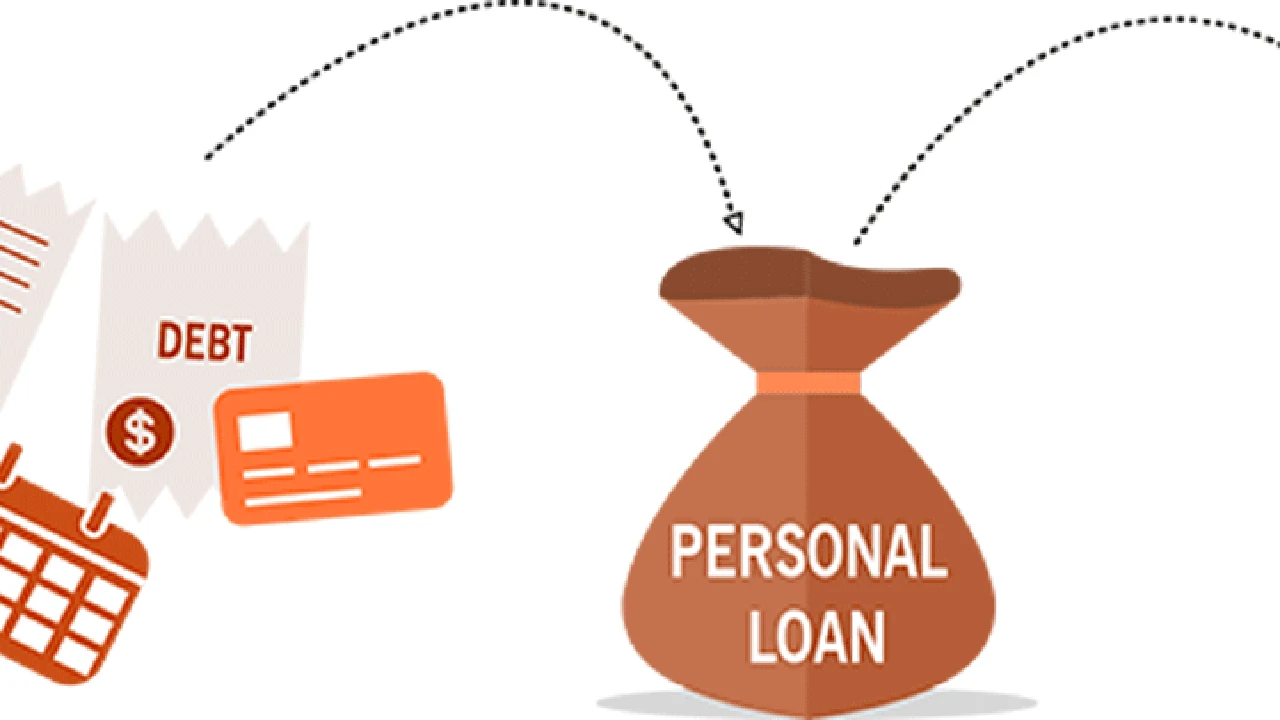
So, you're thinking about tackling your debt, and a home equity loan has popped up on your radar. It's a pretty common thought, especially if you own a home and have built up some equity. Essentially, a home equity loan lets you borrow money against the value of your home. Think of it like this: your home is an asset, and the equity is the portion of that asset you actually own, free and clear of your mortgage. When you take out a home equity loan, you're getting a lump sum of cash, and your home acts as collateral for that loan. This means the interest rates are often lower than what you'd find on unsecured loans, like personal loans or credit cards, because the lender has your home as security. This lower interest rate is a huge draw for many people looking to consolidate high-interest debt.
But it's not just about the interest rate. When you consolidate debt with a home equity loan, you're typically rolling multiple payments into one. Imagine having five different credit card bills, a car loan, and a personal loan, all with different due dates and interest rates. It can be a nightmare to manage! A home equity loan can simplify all of that into a single, predictable monthly payment. This can make budgeting much easier and reduce the stress of juggling multiple financial obligations. Plus, the repayment terms for home equity loans are usually longer, often stretching out over 10, 15, or even 20 years. This can lead to lower monthly payments, freeing up cash flow in your budget. However, it's crucial to remember that while lower monthly payments sound great, a longer repayment period often means you'll pay more in total interest over the life of the loan, even with a lower interest rate.
The Rewards of Using Home Equity for Debt Consolidation
Let's dive a bit deeper into why a home equity loan might be a good move for your debt consolidation strategy. The most obvious and compelling reward is the potential for significantly lower interest rates. Credit card interest rates, for example, can easily be in the double digits, sometimes even 20% or more. Personal loans, while often better, can still hover around 7-15%. Home equity loans, because they're secured by your home, typically offer rates in the 4-8% range, though this can fluctuate with market conditions and your creditworthiness. This difference in interest can translate into substantial savings over time, allowing more of your payment to go towards the principal rather than just interest.
Another big win is the simplification of your finances. Instead of tracking multiple due dates and minimum payments, you'll have just one. This not only reduces the mental load but also lowers the risk of missing a payment, which can ding your credit score and incur late fees. The fixed monthly payment also provides predictability, making it easier to budget and plan your finances for the long term. You'll know exactly how much you owe each month, which can be a huge relief compared to the variable payments of credit cards.
Furthermore, the longer repayment terms can significantly reduce your monthly outflow. If you're currently struggling to make ends meet with high minimum payments, extending the repayment period can provide much-needed breathing room in your budget. This extra cash flow can be used to build an emergency fund, contribute to retirement, or simply reduce financial stress. Some people even find that the interest paid on a home equity loan can be tax-deductible, though this is subject to specific IRS rules and changes, so it's always best to consult with a tax professional to understand your individual situation.
The Risks of Using Home Equity for Debt Consolidation
Now, let's talk about the flip side – the risks. And these are significant, so it's vital to understand them fully before making a decision. The biggest risk, by far, is that your home is on the line. If you fail to make your payments, the lender has the right to foreclose on your home. This is a stark contrast to unsecured debt, where defaulting might damage your credit and lead to collections, but it won't directly put your roof over your head at risk. This is not a decision to take lightly.
Another potential pitfall is the temptation to rack up new debt. Consolidating your existing debt with a home equity loan frees up your credit cards. If you haven't addressed the underlying spending habits that led to the initial debt, you could easily find yourself with a new home equity loan payment *and* a pile of new credit card debt. This is a recipe for a much worse financial situation, potentially leading to even greater debt and a higher risk of losing your home. It's crucial to have a solid plan for managing your spending and avoiding new debt if you go this route.
While the lower monthly payments can be a benefit, they also come with a hidden cost: you'll likely pay more in total interest over the extended loan term. Even with a lower interest rate, stretching payments over 15 or 20 years means you're paying interest for a much longer period. Do the math carefully to understand the total cost of the loan versus the total cost of your current debts. Sometimes, the short-term relief of lower payments can mask a higher long-term cost.
Finally, there are closing costs associated with home equity loans, just like with your original mortgage. These can include appraisal fees, origination fees, title search fees, and more. These costs can add up, sometimes to several thousand dollars, which will eat into the amount of debt you can consolidate or simply add to your overall borrowing. You need to factor these upfront costs into your decision-making process.
Comparing Home Equity Loans with Other Debt Consolidation Options
It's important to see how home equity loans stack up against other popular debt consolidation methods. Let's look at a few:
Personal Loans for Debt Consolidation: A Flexible Alternative
Personal loans are unsecured, meaning they don't require collateral like your home. This is a huge advantage if you're uncomfortable putting your home at risk. They also offer a lump sum of cash to pay off your debts, similar to a home equity loan, and come with fixed interest rates and repayment terms. However, because they're unsecured, the interest rates are generally higher than home equity loans, especially if your credit score isn't stellar. Repayment terms are also typically shorter, usually 3-7 years, which means higher monthly payments but less total interest paid over time. For example, a personal loan from a lender like LightStream (often considered for excellent credit) might offer rates from 6% to 18%, while a home equity loan could be 4-8%. If you have excellent credit and want to avoid putting your home at risk, a personal loan might be a better fit, even with a slightly higher rate.
Balance Transfer Credit Cards: Short-Term Savings for Good Credit
Balance transfer credit cards can be a fantastic option if you have good to excellent credit and can pay off your debt within a promotional 0% APR period, which typically lasts 12-21 months. You transfer your high-interest credit card balances to the new card and pay no interest during that introductory period. This can save you a ton of money. However, there are usually balance transfer fees (often 3-5% of the transferred amount), and if you don't pay off the balance before the promotional period ends, the remaining balance will be subject to a much higher, variable APR. This option is best for disciplined individuals with manageable debt amounts who are confident they can pay it off quickly. It's not suitable for large, long-term debt consolidation.
Debt Management Plans (DMPs): Non-Loan Consolidation Support
Debt Management Plans are offered by non-profit credit counseling agencies. With a DMP, the agency negotiates with your creditors to lower your interest rates and waive fees, then consolidates your payments into one monthly payment to the agency, which then distributes the funds to your creditors. This isn't a loan, so you're not borrowing new money or putting your home at risk. The downside is that it can negatively impact your credit score, as creditors might mark your accounts as 'managed' or 'settled.' Also, you typically have to close all credit card accounts involved in the plan. DMPs are usually for 3-5 years and are a good option if you have significant credit card debt and struggle with high interest rates but don't want to take out a new loan.
Specific Product Recommendations and Scenarios
When it comes to home equity loans, the 'best' product really depends on your individual financial situation, credit score, and how much equity you have. Here are a few types of lenders and what they typically offer:
Traditional Banks and Credit Unions: Stability and Competitive Rates
Large banks like **Bank of America**, **Wells Fargo**, and **Chase** are major players in the home equity loan market. They often offer competitive fixed interest rates and a variety of loan terms. For example, Bank of America might offer a 10-year fixed-rate home equity loan with rates starting around 6.5% to 8.5% for borrowers with excellent credit (740+ FICO score) and significant equity (e.g., 80% LTV or less). They often have physical branches, which can be helpful if you prefer in-person assistance. However, their application processes can sometimes be more rigorous and take longer. Credit unions, such as **Navy Federal Credit Union** (for eligible members) or local credit unions, often have even more competitive rates and lower fees, as they are member-owned. Navy Federal, for instance, might offer rates from 5.99% to 7.99% for similar terms and credit profiles. They are known for personalized service.
* **Scenario:** You have a strong credit score, a stable income, and prefer the security of a well-established institution. You're looking for a fixed-rate loan with predictable payments over a longer term.
* **Consider:** Bank of America, Wells Fargo, Chase, or your local credit union.
* **Typical Pricing:** Rates from 5.99% to 8.99% (depending on credit, LTV, and market), closing costs typically 2-5% of the loan amount.
Online Lenders: Convenience and Speed
While not as prevalent for *home equity loans* specifically (HELOCs are more common online), some online platforms or mortgage brokers can facilitate home equity loans. Companies like **Figure Technologies** offer a fully digital application process for both home equity loans and HELOCs, often with faster approval times. Figure might offer fixed-rate home equity loans with rates from 6.99% to 9.99%, but they often have higher origination fees (e.g., 3-5%) that can be rolled into the loan. The convenience is a major selling point, especially if you're comfortable with a fully online experience.
* **Scenario:** You value a streamlined, digital application process and potentially faster funding. You're comfortable with slightly higher fees for convenience.
* **Consider:** Figure Technologies (for a digital experience).
* **Typical Pricing:** Rates from 6.99% to 10.99%, closing costs can be higher or rolled into the loan.
Specialized Lenders: Niche Offerings
Some lenders specialize in certain types of borrowers or situations. For instance, if you have less-than-perfect credit but significant equity, you might need to look at lenders who are more flexible, though this will come with higher interest rates. However, for home equity loans, most lenders require a decent credit score (typically 620+ FICO, with the best rates for 700+). It's less about 'bad credit' home equity loans and more about finding a lender willing to work with your specific financial profile.
Key Factors to Consider When Choosing a Home Equity Loan
When you're shopping around for a home equity loan, there are several critical factors to keep in mind to ensure you get the best deal and avoid any nasty surprises.
Interest Rates and APR: The True Cost of Borrowing
Don't just look at the advertised interest rate. Always compare the Annual Percentage Rate (APR), which includes not only the interest rate but also certain fees and other costs associated with the loan. This gives you a more accurate picture of the total cost of borrowing. A lower interest rate might look appealing, but if the APR is significantly higher due to hidden fees, it might not be the best deal. Also, understand if the rate is fixed or variable. Most home equity loans are fixed-rate, which means your payment stays the same, offering predictability. Home Equity Lines of Credit (HELOCs), on the other hand, usually have variable rates, which can fluctuate with market conditions, making your payments unpredictable.
Loan-to-Value (LTV) Ratio: How Much Can You Borrow?
Lenders typically limit how much you can borrow based on your home's Loan-to-Value (LTV) ratio. This is the amount you owe on your mortgage divided by your home's appraised value. For a home equity loan, lenders usually allow you to borrow up to 80% or 85% of your home's equity. So, if your home is worth $300,000 and you owe $150,000 on your mortgage, you have $150,000 in equity. If the lender has an 80% LTV limit, they'll calculate 80% of $300,000 ($240,000) and subtract your current mortgage balance ($150,000), meaning you could borrow up to $90,000. The lower your LTV, the less risky you are to the lender, and the better rates you're likely to get.
Repayment Terms and Monthly Payments: Fitting Your Budget
Consider the loan term carefully. While a longer term means lower monthly payments, it also means you'll pay more in total interest. A shorter term will have higher monthly payments but save you money in the long run. Use an online loan calculator to see how different terms affect your monthly payment and the total interest paid. Make sure the monthly payment is comfortably within your budget, leaving room for other expenses and savings. Don't stretch yourself too thin, even if the interest rate is attractive.
Fees and Closing Costs: The Hidden Expenses
Home equity loans come with closing costs, similar to a mortgage. These can include application fees, appraisal fees, origination fees, title search fees, and attorney fees. These can add up to 2-5% of the loan amount. Some lenders might offer 'no closing cost' loans, but beware – these often come with a higher interest rate to compensate for the waived fees. Always ask for a detailed breakdown of all fees before you commit to a loan. Sometimes, paying a small fee upfront can save you a lot more in interest over the life of the loan.
Your Credit Score: A Major Influencer
Your credit score plays a significant role in determining the interest rate you'll qualify for. Lenders reserve their best rates for borrowers with excellent credit (typically FICO scores of 740 and above). If your credit score is lower, you might still qualify for a home equity loan, but you'll likely pay a higher interest rate. Before applying, it's a good idea to check your credit score and report for any errors. Improving your credit score, even slightly, before applying can lead to better loan terms.
The Application Process for a Home Equity Loan
Applying for a home equity loan is a bit like applying for your original mortgage, though usually less complex. Here's a general overview of what to expect:
Gathering Your Documents: Be Prepared
Lenders will need a variety of documents to assess your financial situation. This typically includes proof of income (pay stubs, W-2s, tax returns), bank statements, identification (driver's license, passport), and information about your current mortgage (statements, original loan documents). They'll also need details about your home, such as the address and property tax statements. Having these documents organized and ready will significantly speed up the application process.
Credit Check and Home Appraisal: Lender Due Diligence
The lender will pull your credit report and score to evaluate your creditworthiness. They'll be looking for a history of responsible borrowing and on-time payments. They will also order a home appraisal to determine the current market value of your property. This appraisal is crucial for calculating your available equity and the maximum loan amount you can borrow. The appraisal fee is typically paid by the borrower, often at the time of application.
Loan Approval and Closing: The Final Steps
Once your application, credit check, and appraisal are complete, the lender will review everything and make a decision. If approved, you'll receive a loan offer outlining the interest rate, term, monthly payment, and all associated fees. Read this document carefully, and don't hesitate to ask questions about anything you don't understand. Once you accept the offer, you'll proceed to closing, where you'll sign the final loan documents. There's typically a three-day right of rescission period after closing, during which you can cancel the loan without penalty. After this period, the funds will be disbursed to you, usually as a lump sum.
Managing Your Finances After Debt Consolidation with a Home Equity Loan
Getting a home equity loan for debt consolidation is just the first step. The real work begins afterward, ensuring you don't fall back into debt and that you use this opportunity to build a stronger financial future.
Creating a New Budget: Your Financial Blueprint
With your new, simplified monthly payment, it's crucial to create a fresh budget. This budget should account for your new home equity loan payment, all your other essential expenses, and, importantly, allocate funds for savings and debt prevention. Track every dollar coming in and going out. Tools like Mint, YNAB (You Need A Budget), or even a simple spreadsheet can help you stay on top of your spending. The goal is to live within your means and avoid accumulating new debt.
Avoiding New Debt: Breaking Old Habits
This is perhaps the most critical aspect. If you've consolidated credit card debt, resist the urge to use those cards again. Consider cutting them up or putting them in a safe place where they're not easily accessible. Address the root causes of your previous debt. Was it overspending? Lack of an emergency fund? Impulse purchases? Identify these triggers and develop strategies to overcome them. Building a robust emergency fund (3-6 months of living expenses) is paramount to prevent future reliance on credit for unexpected costs.
Building an Emergency Fund: Your Financial Safety Net
With potentially lower monthly payments from your consolidated debt, you should have more disposable income. Prioritize building an emergency fund. This fund acts as a buffer against unforeseen expenses like medical emergencies, car repairs, or job loss, preventing you from having to rely on high-interest credit cards again. Aim for at least three to six months' worth of essential living expenses in an easily accessible savings account.
Monitoring Your Credit Score: Staying on Track
Regularly monitor your credit score and credit report. After consolidating debt, your score might initially dip slightly due to the new loan inquiry, but it should improve over time as you make consistent, on-time payments on your home equity loan and keep your other credit utilization low. Services like Credit Karma or your bank's credit monitoring tools can help you keep an eye on your progress and spot any potential issues early.
Seeking Financial Guidance: Expert Support
If you find yourself struggling to manage your finances post-consolidation, or if you want to develop a more comprehensive financial plan, don't hesitate to seek professional help. A certified financial planner or a non-profit credit counselor can provide personalized advice, help you refine your budget, and guide you towards achieving your long-term financial goals. They can offer an objective perspective and strategies tailored to your unique situation.
Final Thoughts on Home Equity Loans for Debt Consolidation
Using a home equity loan for debt consolidation can be a powerful tool to simplify your finances, potentially lower your interest rates, and reduce your monthly payments. The rewards of financial simplification and interest savings can be substantial, offering a clear path to becoming debt-free. However, the risks are equally significant, primarily the fact that your home serves as collateral. This means that if you default on the loan, you could lose your home. It's a serious consideration that demands careful thought and a strong commitment to responsible financial management.
Before you jump in, make sure you've thoroughly weighed the pros and cons for your specific situation. Compare home equity loans with other debt consolidation options like personal loans, balance transfer cards, and debt management plans. Understand the interest rates, fees, repayment terms, and how your credit score will impact your eligibility and rates. Most importantly, have a solid plan in place to prevent accumulating new debt and to manage your finances responsibly after consolidation. This isn't just about getting a new loan; it's about making a fundamental shift in your financial habits to secure a more stable and debt-free future. If you're disciplined and committed, a home equity loan can be a fantastic stepping stone to financial freedom. But if you're not ready to change your spending habits, it could lead to a much more precarious situation.

:max_bytes(150000):strip_icc()/277019-baked-pork-chops-with-cream-of-mushroom-soup-DDMFS-beauty-4x3-BG-7505-5762b731cf30447d9cbbbbbf387beafa.jpg)