How Debt Consolidation Works A Step by Step Explanation
Understand the process of debt consolidation from application to repayment and how it can help you achieve financial freedom.

Understand the process of debt consolidation from application to repayment and how it can help you achieve financial freedom.
How Debt Consolidation Works A Step by Step Explanation
Feeling overwhelmed by multiple debts, high-interest rates, and confusing payment schedules? You're not alone. Millions of people worldwide grapple with similar financial stress. Debt consolidation often emerges as a beacon of hope, promising a simpler, more manageable path to financial freedom. But what exactly is it, and how does it work in practice? This comprehensive guide will walk you through the entire process, from the initial spark of an idea to the final repayment, offering practical advice, product recommendations, and a clear understanding of how to make debt consolidation work for you.
Understanding Debt Consolidation What It Is and Why It Matters
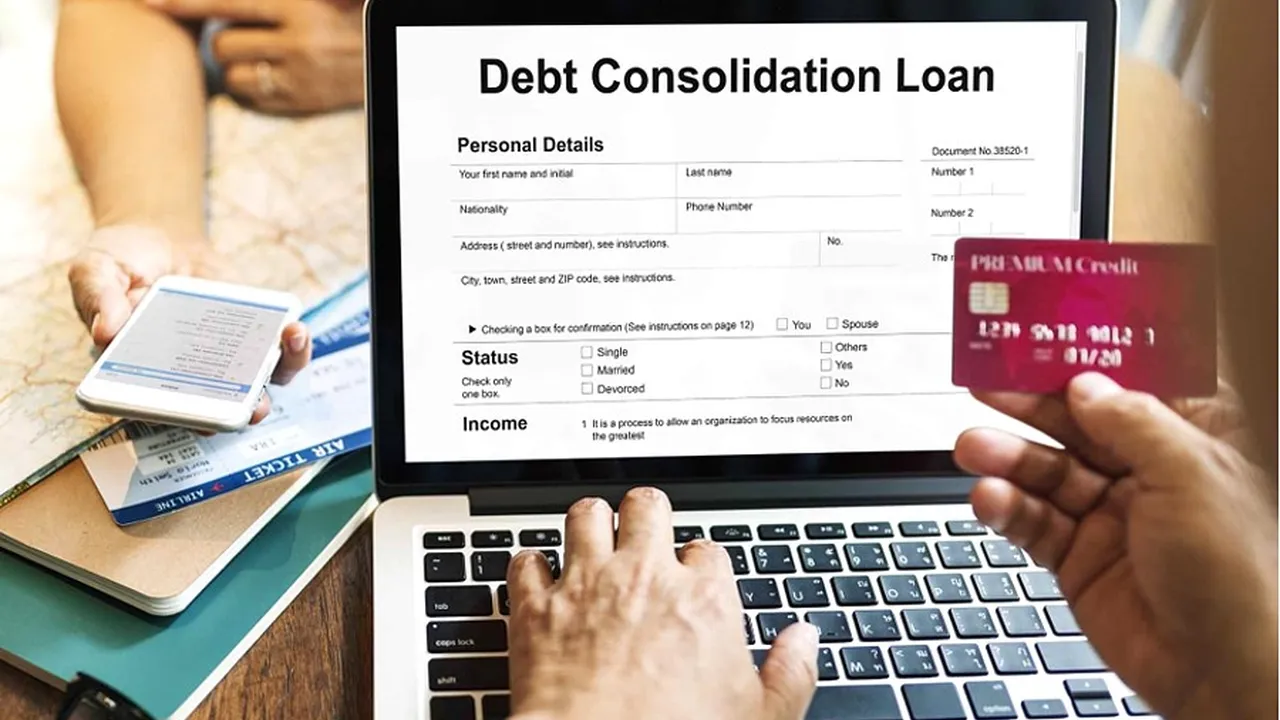
At its core, debt consolidation is the process of combining multiple debts into a single, new loan. Imagine having five different credit card bills, a personal loan, and a medical bill, each with its own interest rate, due date, and minimum payment. It's a lot to keep track of, and the cumulative interest can feel like a never-ending cycle. Debt consolidation aims to simplify this by rolling all those individual debts into one, often with a lower interest rate and a single monthly payment. This simplification can significantly reduce financial stress, make budgeting easier, and potentially save you a substantial amount of money over time.
Why does it matter? Beyond the obvious financial benefits, debt consolidation can offer a psychological boost. The feeling of being in control of your finances, seeing a clear path to becoming debt-free, and reducing the mental burden of juggling multiple creditors can be incredibly empowering. It's not a magic bullet, but it's a powerful tool when used correctly.
Step 1 Assessing Your Current Debt Situation A Crucial First Move
Before you even think about applying for a consolidation loan, you need to get a crystal-clear picture of your current debt landscape. This isn't just about knowing how much you owe; it's about understanding the details of each debt. Grab a pen and paper, or open a spreadsheet, and list every single debt you have. For each debt, note down:
- Creditor Name: Who do you owe money to? (e.g., Visa, Bank of America, Hospital XYZ)
- Current Balance: The exact amount you still owe.
- Interest Rate (APR): This is crucial. High-interest debts are the primary targets for consolidation.
- Minimum Monthly Payment: What you're currently paying each month.
- Due Date: When is the payment due?
- Type of Debt: Is it a credit card, personal loan, medical bill, student loan, etc.?
Once you have this information, calculate your total debt amount and your total minimum monthly payments. This exercise will not only show you the scale of your debt but also highlight which debts are costing you the most in interest. This detailed assessment is the foundation of a successful consolidation strategy.
Step 2 Exploring Debt Consolidation Options Finding the Right Fit
There isn't a one-size-fits-all solution for debt consolidation. Several avenues exist, each with its own advantages and disadvantages. Your credit score, the amount of debt you have, and your financial goals will largely determine which option is best for you. Let's dive into the most common types:
Personal Loans for Debt Consolidation A Popular Choice
A personal loan is one of the most common ways to consolidate debt. You take out a new, unsecured loan (meaning it's not backed by collateral like your house or car) from a bank, credit union, or online lender. The funds from this loan are then used to pay off all your existing high-interest debts. You're left with a single monthly payment to the personal loan lender, often at a lower interest rate and with a fixed repayment term.
Recommended Personal Loan Products and Use Cases:
- SoFi Personal Loans:
- Use Case: Excellent for individuals with good to excellent credit (typically 670+ FICO score) who want competitive rates and flexible terms. SoFi is known for its user-friendly online application process and often offers unemployment protection.
- Comparison: Often boasts lower APRs than traditional banks for well-qualified borrowers. No origination fees.
- Typical APR Range: 8.99% - 29.99% (as of late 2023/early 2024, subject to change).
- Loan Amounts: $5,000 - $100,000.
- Repayment Terms: 2-7 years.
- LightStream Personal Loans:
- Use Case: Ideal for borrowers with excellent credit (700+ FICO score) who are looking for the absolute lowest rates. LightStream offers a rate beat program, promising to beat competitor rates.
- Comparison: Known for some of the lowest rates in the industry for top-tier borrowers. Requires strong credit history.
- Typical APR Range: 7.49% - 25.49% (as of late 2023/early 2024, subject to change).
- Loan Amounts: $5,000 - $100,000.
- Repayment Terms: 2-7 years.
- Marcus by Goldman Sachs Personal Loans:
- Use Case: Good for individuals with good credit (660+ FICO score) seeking no fees and a straightforward application process. Marcus offers personalized payment options.
- Comparison: No origination fees, late fees, or prepayment fees. Competitive rates for good credit.
- Typical APR Range: 6.99% - 24.99% (as of late 2023/early 2024, subject to change).
- Loan Amounts: $3,500 - $40,000.
- Repayment Terms: 3-6 years.
Balance Transfer Credit Cards A Short-Term Solution for Credit Card Debt
If your debt primarily consists of high-interest credit card balances, a balance transfer credit card can be an excellent option. These cards offer an introductory 0% APR period (typically 6 to 21 months) on transferred balances. This means you can pay down your principal without accruing any interest during that promotional period.
Recommended Balance Transfer Cards and Use Cases:
- Chase Slate Edge:
- Use Case: Ideal for those who need a longer 0% APR period and have good to excellent credit. Offers 0% intro APR for 18 months on purchases and balance transfers.
- Comparison: No annual fee. Balance transfer fee typically 3% or 5%.
- Intro APR Period: 18 months.
- Regular APR: 19.24% - 27.99% Variable (after intro period).
- Citi Simplicity Card:
- Use Case: Best for those who need the longest possible 0% APR period and want to avoid late fees. Offers 0% intro APR for 21 months on balance transfers.
- Comparison: No annual fee, no late fees, no penalty rate. Balance transfer fee typically 3% or 5%.
- Intro APR Period: 21 months.
- Regular APR: 19.24% - 29.99% Variable (after intro period).
- BankAmericard Credit Card:
- Use Case: A solid choice for those with good credit looking for a competitive 0% intro APR on balance transfers.
- Comparison: No annual fee. Balance transfer fee typically 3%.
- Intro APR Period: 18 months.
- Regular APR: 16.24% - 26.24% Variable (after intro period).
Important Note on Balance Transfers: You MUST pay off the transferred balance before the 0% APR period expires, or you'll be hit with the regular, often high, interest rate. Also, be aware of balance transfer fees, which are typically 3-5% of the transferred amount.
Home Equity Loans or HELOCs Leveraging Your Home's Value
If you're a homeowner with significant equity, a home equity loan or a Home Equity Line of Credit (HELOC) can be an attractive option. These are secured loans, meaning your home acts as collateral. Because they're secured, they often come with lower interest rates than unsecured personal loans or credit cards.
- Home Equity Loan: You receive a lump sum of money and repay it with a fixed interest rate over a set period.
- HELOC: This is more like a credit card, allowing you to borrow money as needed up to a certain limit, with a variable interest rate.
Use Case: Best for homeowners with substantial equity and a disciplined approach to repayment. The lower interest rates can lead to significant savings. However, the major risk is that if you default, you could lose your home. This option should be approached with extreme caution and a clear understanding of the risks.
Considerations for Home Equity Products:
- Lenders: Major banks like Chase, Wells Fargo, Bank of America, and local credit unions are common providers.
- Typical APR Range: Varies widely based on market rates, your credit, and loan-to-value ratio, but generally lower than unsecured loans (e.g., 7% - 12% for HELOCs, 6% - 10% for fixed-rate home equity loans, subject to change).
- Fees: Can include appraisal fees, closing costs, and annual fees for HELOCs.
Debt Management Plans (DMPs) Through Credit Counseling Agencies
While not strictly a consolidation loan, a Debt Management Plan (DMP) is an alternative offered by non-profit credit counseling agencies. In a DMP, the agency negotiates with your creditors on your behalf to potentially lower interest rates, waive fees, and combine your payments into one monthly sum paid to the agency. The agency then distributes the funds to your creditors.
Use Case: Ideal for individuals struggling with credit card debt who may not qualify for a personal loan or balance transfer card due to lower credit scores. It's a structured program that typically lasts 3-5 years.
Reputable Credit Counseling Agencies:
- National Foundation for Credit Counseling (NFCC): A non-profit organization that provides a directory of accredited credit counseling agencies.
- GreenPath Financial Wellness: A well-regarded non-profit offering DMPs and financial education.
- Money Management International (MMI): Another large non-profit offering DMPs and various financial services.
Fees: DMPs usually involve a small setup fee and a monthly administrative fee, but these are often offset by the interest rate reductions achieved.
Step 3 Applying for Your Chosen Debt Consolidation Product The Nitty-Gritty
Once you've decided on the best consolidation method for your situation, it's time to apply. The application process will vary slightly depending on the product, but generally, you'll need to provide:
- Personal Information: Name, address, date of birth, Social Security Number.
- Income and Employment Details: Proof of income (pay stubs, tax returns), employer information.
- Financial Information: Bank account details, existing debt information (which you've already gathered in Step 1!).
- Credit History: Lenders will pull your credit report to assess your creditworthiness.
Tips for a Smooth Application:
- Check Your Credit Report: Before applying, get a free copy of your credit report from AnnualCreditReport.com. Dispute any errors.
- Gather Documents: Have all necessary documents ready to avoid delays.
- Pre-qualification: Many online lenders offer pre-qualification, which allows you to see potential rates without a hard inquiry on your credit report. This is a great way to shop around.
- Be Honest: Provide accurate information. Misrepresenting your financial situation can lead to rejection or even legal trouble.
Step 4 The Approval and Disbursement Process Getting the Funds
If your application is approved, congratulations! The next step is the disbursement of funds. For personal loans, the money is typically deposited directly into your bank account. For balance transfer credit cards, the funds are usually sent directly to your old credit card accounts to pay them off.
Crucial Action: Once the funds are disbursed, immediately use them to pay off your old debts. Do not be tempted to spend this money on anything else. The whole point is to eliminate those high-interest obligations. Confirm that each old debt has a zero balance and close those accounts if you don't plan to use them responsibly in the future. This prevents the temptation to rack up new debt.
Step 5 Repaying Your Consolidated Debt Sticking to the Plan
This is where the rubber meets the road. You now have one consolidated debt with a single monthly payment. Your primary goal is to make every payment on time and in full. Set up automatic payments from your bank account to avoid missing due dates. Missing payments can negate the benefits of consolidation by incurring late fees and damaging your credit score.
Budgeting for Success After Debt Consolidation
To ensure you can comfortably make your new consolidated payment, it's essential to create and stick to a budget. Track your income and expenses meticulously. Identify areas where you can cut back to free up more money for debt repayment. The money you save from lower interest rates and fewer fees should be channeled directly into paying down your consolidated loan faster, if possible.
Avoiding New Debt A Critical Habit
One of the biggest pitfalls after debt consolidation is accumulating new debt. If you've paid off credit cards, resist the urge to use them again unless you can pay off the balance in full each month. Debt consolidation is a fresh start, not an excuse to repeat old habits. Focus on building an emergency fund so you don't have to rely on credit for unexpected expenses.
Step 6 Monitoring Your Progress and Staying Motivated The Long Game
Regularly review your financial statements and track your progress. Seeing your consolidated debt balance decrease can be incredibly motivating. Celebrate small milestones along the way – perhaps when you've paid off 25%, 50%, or 75% of the loan. This journey requires discipline and patience, but the reward of being debt-free is well worth the effort.
Consider using budgeting apps or financial tracking software to help you visualize your progress. Many personal finance apps, like Mint or YNAB (You Need A Budget), can help you stay on top of your spending and debt repayment.
Common Pitfalls to Avoid When Consolidating Debt
While debt consolidation offers significant advantages, it's not without its risks. Being aware of these common pitfalls can help you navigate the process successfully:
- Accumulating New Debt: This is the biggest danger. If you consolidate your debts and then start charging up your credit cards again, you'll end up in a worse position than before.
- High Fees: Some consolidation loans or balance transfer cards come with origination fees, balance transfer fees, or annual fees. Always factor these into your calculations.
- Higher Interest Rates: If your credit score isn't strong, you might not qualify for a lower interest rate than what you're currently paying. In such cases, consolidation might not be beneficial.
- Extending Repayment Terms: While a longer repayment term might mean lower monthly payments, it can also mean paying more interest over the life of the loan. Aim for the shortest term you can comfortably afford.
- Ignoring the Root Cause: Debt consolidation treats the symptom, not always the cause. If underlying spending habits or financial mismanagement aren't addressed, debt can quickly reappear.
- Scams: Be wary of companies promising unrealistic results or demanding upfront fees before providing any service. Always research lenders and credit counseling agencies thoroughly.
When Debt Consolidation Might Not Be the Best Option
Debt consolidation is a powerful tool, but it's not for everyone. Here are situations where you might need to consider alternatives:
- Very Low Credit Score: If your credit score is very low, you might not qualify for a personal loan with a favorable interest rate, or for a balance transfer card. In this case, a Debt Management Plan (DMP) or even debt settlement might be more appropriate.
- Unmanageable Debt Load: If your total debt is so high that even with a lower interest rate, the monthly payments are still unaffordable, you might need to explore more drastic measures like debt settlement or bankruptcy.
- Lack of Discipline: If you struggle with budgeting and tend to accumulate debt quickly, consolidation might just be a temporary fix. Addressing spending habits is crucial.
- Secured Debts: Debt consolidation typically works best for unsecured debts like credit cards and personal loans. Mortgages or car loans are usually better handled through refinancing specific to those types of loans.
The Path to Financial Freedom Your Next Steps
Debt consolidation can be a transformative step towards financial freedom. By understanding how it works, carefully choosing the right product, and committing to responsible repayment, you can simplify your finances, reduce interest costs, and gain control over your money. Remember, this is a journey, and every step you take towards managing your debt is a step towards a more secure and less stressful financial future. Start by assessing your debt, explore your options, and take that crucial first step towards a consolidated, clearer financial path.
:max_bytes(150000):strip_icc()/277019-baked-pork-chops-with-cream-of-mushroom-soup-DDMFS-beauty-4x3-BG-7505-5762b731cf30447d9cbbbbbf387beafa.jpg)