The Role of Credit Counseling in Debt Consolidation Decisions
Learn how credit counseling services can guide you in making the best decisions regarding debt consolidation.
Learn how credit counseling services can guide you in making the best decisions regarding debt consolidation.
The Role of Credit Counseling in Debt Consolidation Decisions
Understanding Credit Counseling What It Is and What It Is Not
So, you're staring down a mountain of debt, and the idea of debt consolidation has popped into your head. It sounds great, right? One payment, potentially lower interest rates, a clearer path to financial freedom. But before you dive headfirst into a loan application, have you considered talking to a credit counselor? Many people confuse credit counseling with debt settlement or even bankruptcy, but it's a completely different beast. Think of a credit counselor as your financial guide, someone who can help you navigate the often-confusing world of personal finance, especially when debt is involved.
Credit counseling agencies are typically non-profit organizations. Their primary goal isn't to sell you a product or service, but to educate you and help you develop a personalized plan to manage your money and get out of debt. They're not going to magically erase your debt, nor are they going to lend you money directly. Instead, they offer a range of services, from financial education and budgeting assistance to debt management plans (DMPs), which can sometimes be a precursor or an alternative to debt consolidation. It's crucial to understand this distinction. A good credit counselor will empower you with knowledge and tools, not just offer a quick fix.
Why Seek Credit Counseling Before Debt Consolidation Exploring Your Options
You might be thinking, 'Why do I need a credit counselor if I'm just going to consolidate my debt?' That's a fair question. The truth is, debt consolidation isn't a one-size-fits-all solution. It can be incredibly effective for some, but for others, it might just be kicking the can down the road if the underlying spending habits aren't addressed. This is where a credit counselor shines. They'll take a holistic look at your financial situation – your income, expenses, assets, and all your debts – to help you understand the root causes of your debt and explore all your available options.
A credit counselor can help you determine if debt consolidation is truly the best path for you. They might suggest a debt management plan instead, where they negotiate with your creditors on your behalf for lower interest rates and a single monthly payment. Or, they might help you create a realistic budget that allows you to pay down your debts more aggressively without needing a new loan. They can also explain the potential impact of debt consolidation on your credit score, both short-term and long-term, and help you understand the terms and conditions of different consolidation products. Their unbiased advice can be invaluable in making an informed decision that aligns with your long-term financial goals.
What to Expect During a Credit Counseling Session Your Personalized Financial Assessment
So, you've decided to give credit counseling a try. What happens next? Typically, your first session will involve a detailed review of your financial situation. You'll need to gather all your financial documents: pay stubs, bank statements, credit card statements, loan agreements, and any other relevant paperwork. Don't worry, they're not there to judge you; they're there to help. The counselor will ask about your income, your monthly expenses, and all your debts, including interest rates and minimum payments.
Based on this information, they'll help you create a realistic budget. This isn't just about cutting out your daily latte; it's about understanding where your money is going and identifying areas where you can make sustainable changes. They'll also discuss your financial goals – whether it's getting out of debt, saving for a down payment, or building an emergency fund. This initial assessment is crucial because it forms the foundation for any recommendations they might make. They'll then present you with various options, explaining the pros and cons of each, and help you choose the best course of action for your unique circumstances. This might include a debt management plan, advice on debt consolidation, or even guidance on bankruptcy if your situation is severe.
Debt Management Plans DMPs as an Alternative or Complement to Consolidation
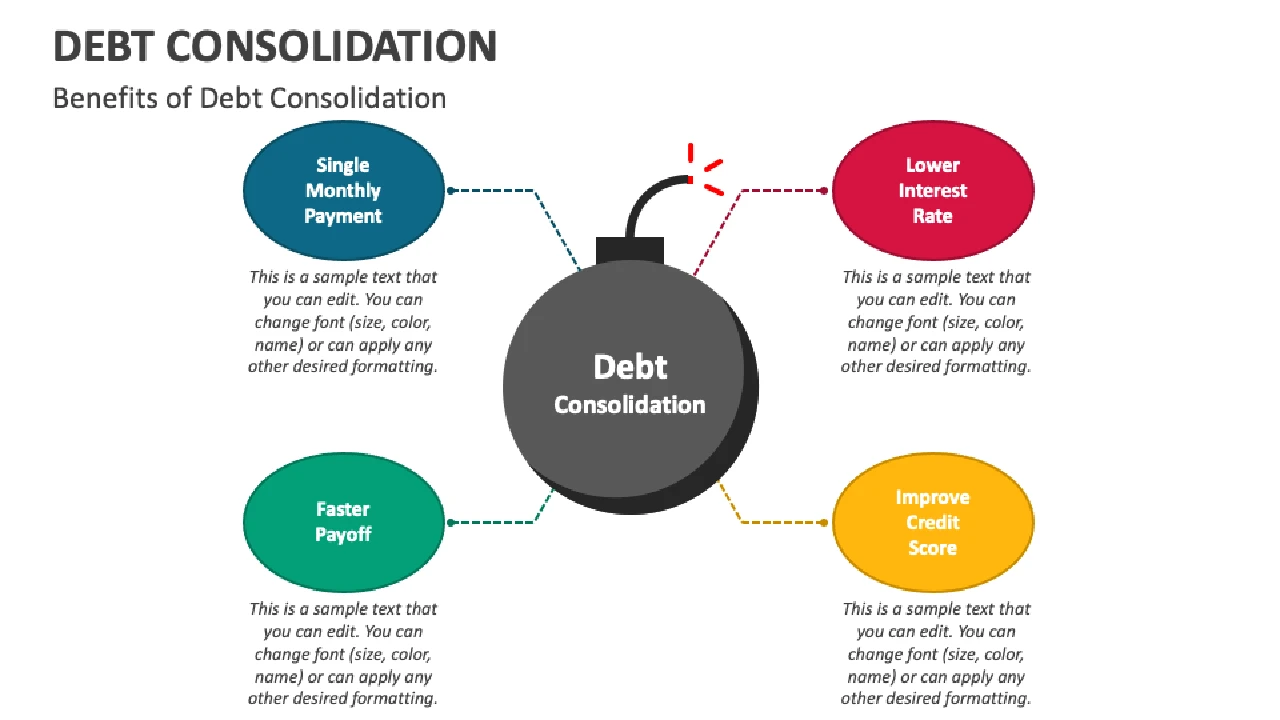
Often, when you talk to a credit counselor, they might introduce you to the concept of a Debt Management Plan (DMP). It's important to understand how DMPs differ from debt consolidation loans and how they can sometimes work together or serve as an alternative. With a DMP, the credit counseling agency works directly with your creditors to negotiate lower interest rates, waive fees, and establish a single, affordable monthly payment. You then make one payment to the credit counseling agency, and they distribute the funds to your creditors.
The key difference from a consolidation loan is that you're not taking out a new loan. Your existing debts remain, but the terms are more favorable. DMPs can be particularly beneficial if you have a lot of high-interest credit card debt and struggle with making multiple payments. While a DMP doesn't immediately pay off your debts like a consolidation loan might, it provides a structured repayment plan, typically lasting three to five years, and can significantly reduce the total interest you pay. For some, a DMP might be a stepping stone to improving their credit enough to qualify for a good consolidation loan later, or it might be the solution itself if a consolidation loan isn't feasible.
Choosing the Right Credit Counseling Agency Key Considerations and Red Flags
Just like with any financial service, not all credit counseling agencies are created equal. It's crucial to do your homework and choose a reputable, accredited agency. Here are some key considerations and red flags to watch out for:
Accreditation and Non-Profit Status Ensuring Trustworthiness
Look for agencies accredited by organizations like the National Foundation for Credit Counseling (NFCC) or the Financial Counseling Association of America (FCAA). These accreditations indicate that the agency meets certain standards of quality and ethical conduct. Also, prioritize non-profit agencies. While for-profit companies exist, non-profits are generally more focused on your financial well-being rather than their bottom line. Be wary of any agency that charges high upfront fees or promises to magically eliminate your debt.
Services Offered Beyond Debt Management Comprehensive Support
A good credit counseling agency offers more than just DMPs. They should provide financial education, budgeting assistance, housing counseling, and even bankruptcy counseling. This indicates a comprehensive approach to financial wellness, not just a single solution. If an agency pushes you towards one specific product without exploring your overall situation, that's a red flag.
Transparency in Fees Understanding the Costs
Reputable non-profit credit counseling agencies typically charge minimal fees for their services, often a small monthly fee for DMPs. They should be completely transparent about all fees upfront. If an agency is vague about its fees, demands large upfront payments, or pressures you into signing anything before you fully understand the costs, walk away.
Counselor Qualifications Expertise and Experience
Ask about the counselors' qualifications. Are they certified? Do they have experience in financial counseling? A knowledgeable and empathetic counselor can make a huge difference in your experience and the effectiveness of the advice you receive.
Customer Reviews and Reputation What Others Say
Check online reviews and ratings from independent sources like the Better Business Bureau (BBB). While a few negative reviews are normal, a pattern of complaints about unethical practices, hidden fees, or poor customer service should raise concerns.
Recommended Credit Counseling Agencies and Their Offerings
When it comes to reputable credit counseling, a few names consistently rise to the top. These organizations are known for their ethical practices, comprehensive services, and commitment to consumer education. While I can't endorse specific products, I can highlight some well-regarded agencies and what they typically offer:
National Foundation for Credit Counseling NFCC Member Agencies
The NFCC is a leading non-profit financial counseling organization. They don't directly provide counseling, but they certify and support a network of member agencies across the US. When you choose an NFCC member agency, you can be confident that they adhere to strict standards of quality and ethics. Many of these agencies offer free initial consultations and low-cost services. For example, a local NFCC member agency might offer:
- Debt Management Plans (DMPs): Negotiating with creditors for reduced interest rates and a single monthly payment. Typical monthly fees for DMPs can range from $25 to $75, but many offer fee waivers or reductions based on income.
- Budgeting and Financial Education: Personalized guidance on creating and sticking to a budget, understanding credit reports, and managing money effectively. Often free or very low cost.
- Housing Counseling: Assistance with mortgage delinquency, foreclosure prevention, and reverse mortgages.
- Bankruptcy Counseling: Required pre-filing and pre-discharge counseling for those considering bankruptcy.
Example Scenario: Sarah has $15,000 in credit card debt across four cards, with interest rates ranging from 18% to 25%. Her minimum payments total $600 per month, and she's barely making a dent in the principal. An NFCC member agency helps her enroll in a DMP. They negotiate her interest rates down to an average of 8%, and her single monthly payment becomes $400. She pays a $40 monthly fee to the agency. This saves her $200 a month and significantly reduces the total interest paid over the 4-year plan.
Money Management International MMI A Large and Established Provider
MMI is one of the largest non-profit credit counseling organizations in the United States. They offer a wide array of services and are known for their accessibility and extensive resources. Their services are similar to those offered by other NFCC member agencies, but their scale allows for broad reach and often robust online tools.
- Debt Management Plans: Similar structure to other NFCC agencies, with fees typically in the $20-$50 range, often with hardship waivers.
- Credit Report Review: Detailed analysis of your credit report and score, with advice on how to improve it.
- Student Loan Counseling: Guidance on managing student loan debt, including repayment options and consolidation strategies.
- Online Resources and Webinars: A wealth of free educational materials, articles, and webinars on various financial topics.
Example Scenario: David has $20,000 in student loan debt and $8,000 in credit card debt. He's considering a debt consolidation loan but is unsure about the best approach. MMI helps him review his student loan options, suggesting an income-driven repayment plan for those, and then enrolls his credit card debt in a DMP. This dual approach addresses both types of debt effectively, something a single consolidation loan might not have done as efficiently.
GreenPath Financial Wellness Holistic Financial Guidance
GreenPath is another highly respected non-profit organization that emphasizes a holistic approach to financial wellness. They focus not just on debt relief but on building sustainable financial habits for the long term.
- Debt Management Plans: Standard DMP services with competitive fees, often with a focus on long-term financial stability.
- Financial Counseling: One-on-one sessions covering budgeting, saving, credit building, and debt repayment strategies.
- Housing Counseling: Similar to NFCC agencies, offering support for homeowners and renters.
- Student Loan Counseling: Specialized advice for navigating student loan repayment.
Example Scenario: Emily has a mix of credit card debt ($10,000) and a personal loan ($5,000). She's also struggling with budgeting and saving. GreenPath helps her set up a DMP for her credit cards and personal loan, reducing her monthly payments. More importantly, they work with her to create a realistic budget and set up an automatic savings plan, helping her build an emergency fund while paying down debt.
Important Note on Pricing: The fees mentioned above are typical ranges. Actual fees can vary based on your state of residence, income, and the specific services you utilize. Most reputable agencies offer free initial consultations, so you can explore your options without any upfront cost.
Integrating Credit Counseling Advice with Debt Consolidation Strategies Maximizing Your Success
The real power of credit counseling comes when you integrate their advice into your overall debt consolidation strategy. It's not just about getting a loan; it's about making that loan work for you and ensuring you don't fall back into debt. Here's how credit counseling can enhance your debt consolidation efforts:
Pre-Consolidation Assessment Informed Decision Making
Before you even apply for a consolidation loan, a credit counselor can help you assess if it's the right move. They'll help you understand if your credit score is strong enough to qualify for favorable rates, or if you should work on improving it first. They can also help you calculate if the potential savings from consolidation outweigh the costs (like origination fees on a loan). This pre-assessment is vital for making an informed decision.
Budgeting for Repayment Sustainable Financial Habits
Once you have a consolidation loan, the counselor can help you create a budget that ensures you can comfortably make your new, single payment. They'll help you identify areas where you can cut expenses and allocate more funds towards your debt, accelerating your repayment. This is crucial because a consolidation loan only works if you can stick to the repayment plan.
Addressing Root Causes Preventing Future Debt
Perhaps the most valuable aspect of credit counseling is its focus on addressing the underlying behaviors that led to debt in the first place. A counselor can help you develop better spending habits, understand impulse buying, and build financial literacy. Without addressing these root causes, even the best debt consolidation loan might only offer temporary relief.
Post-Consolidation Support Maintaining Momentum
Even after you've secured your consolidation loan, a credit counselor can provide ongoing support. They can help you monitor your progress, adjust your budget as needed, and offer encouragement. This continued guidance can be instrumental in staying motivated and achieving your debt-free goal.
The Long-Term Benefits of Credit Counseling Beyond Debt Relief
While getting out of debt is often the immediate goal, the benefits of credit counseling extend far beyond simply reducing your debt load. Engaging with a credit counselor can set you on a path to long-term financial wellness and stability.
Improved Financial Literacy Empowering Your Future
One of the most significant long-term benefits is improved financial literacy. Credit counselors educate you on budgeting, saving, understanding credit reports, and making informed financial decisions. This knowledge empowers you to manage your money more effectively for the rest of your life, reducing the likelihood of falling back into debt.
Better Credit Score Access to Opportunities
By helping you manage your debt and make timely payments, credit counseling can indirectly lead to an improved credit score. A better credit score opens doors to lower interest rates on future loans (like mortgages or car loans), better insurance premiums, and even easier approval for rental applications or employment opportunities.
Reduced Financial Stress Enhanced Well-being
Living with overwhelming debt is incredibly stressful. Credit counseling provides a clear plan and support system, which can significantly reduce financial anxiety. This reduction in stress can have a positive impact on your overall mental and physical well-being, allowing you to focus on other aspects of your life.
Sustainable Financial Habits A Foundation for Wealth Building
The budgeting and spending habits you develop through credit counseling are not just for debt repayment; they are foundational for building wealth. Learning to live within your means, save consistently, and make wise financial choices are skills that will serve you well as you move from debt repayment to saving for retirement, investments, or other financial goals.
A Financial Safety Net Prepared for the Unexpected
Credit counselors often emphasize the importance of an emergency fund. By helping you incorporate saving into your budget, they equip you with a financial safety net. This fund can protect you from unexpected expenses, preventing you from relying on credit cards and falling back into debt when life throws you a curveball.
In essence, credit counseling isn't just about fixing a problem; it's about building a stronger, more resilient financial future. It's an investment in yourself and your financial well-being that can pay dividends for years to come.
:max_bytes(150000):strip_icc()/277019-baked-pork-chops-with-cream-of-mushroom-soup-DDMFS-beauty-4x3-BG-7505-5762b731cf30447d9cbbbbbf387beafa.jpg)