The Challenges of Debt Consolidation in Emerging Southeast Asian Markets
Discuss the unique challenges and opportunities for debt consolidation in the developing economies of Southeast Asia.

Discuss the unique challenges and opportunities for debt consolidation in the developing economies of Southeast Asia.
The Challenges of Debt Consolidation in Emerging Southeast Asian Markets
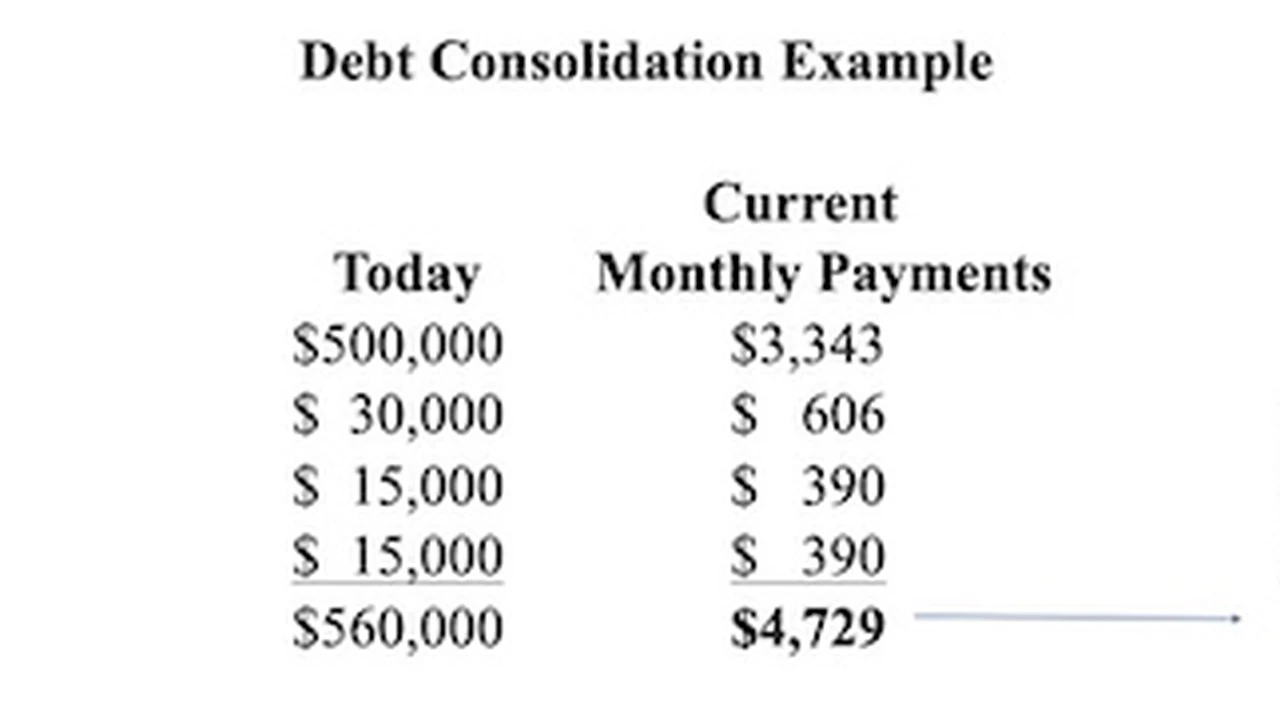
Hey there! Let's chat about something super important for folks in places like Vietnam, the Philippines, Indonesia, and even parts of Thailand and Malaysia: debt consolidation. It sounds like a fancy financial term, but really, it's just a way to simplify your debts, often by rolling multiple loans into one with a single, hopefully lower, monthly payment. While it's a popular strategy in more developed economies, doing it in emerging Southeast Asian markets comes with its own set of unique hurdles and, surprisingly, some cool opportunities too.
Understanding the Economic Landscape Debt Consolidation Southeast Asia
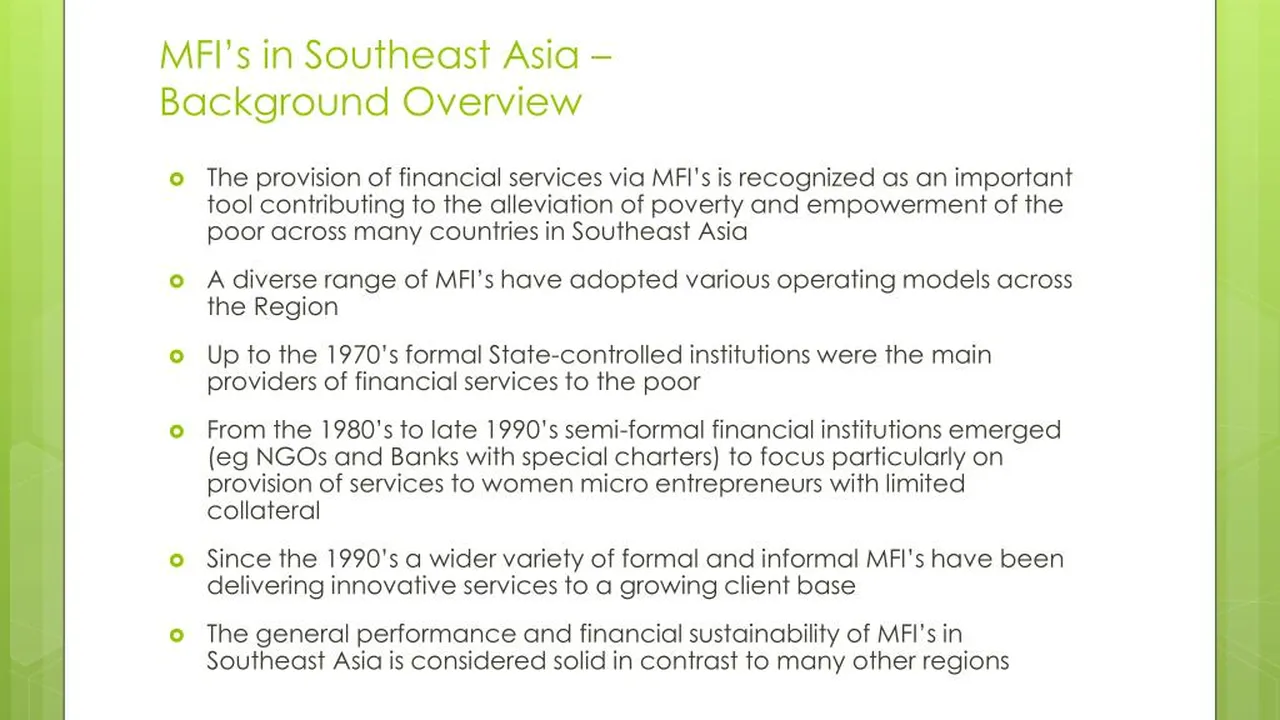
First off, we need to get a grip on the economic vibe in these countries. We're talking about rapidly growing economies, right? Lots of young people, increasing urbanization, and a booming middle class. This means more access to credit – think personal loans, credit cards, and even micro-loans. While this is great for economic development, it also means more people are taking on debt, sometimes more than they can comfortably handle. The financial infrastructure might not be as mature as in, say, the US or Europe, which can make things a bit trickier when you're trying to consolidate.
Regulatory Hurdles and Consumer Protection Debt Consolidation Regulations
One of the biggest challenges is navigating the regulatory environment. In many emerging markets, consumer protection laws around lending and debt collection might not be as robust or as clearly defined as elsewhere. This can lead to a few issues:
- Predatory Lending: You might find lenders offering high-interest loans with hidden fees, making it harder to actually save money through consolidation.
- Lack of Transparency: It can be tough to get clear, straightforward information about loan terms, interest rates, and repayment schedules.
- Enforcement Issues: If something goes wrong, getting legal recourse or even just fair treatment can be a long and complicated process.
So, if you're looking into debt consolidation, you really need to do your homework and make sure you're dealing with reputable institutions. Always read the fine print, and if something feels off, it probably is!
Access to Credit and Eligibility Criteria Debt Consolidation Eligibility
Another biggie is access to credit. While credit is becoming more available, it's not always easy for everyone to qualify for a good debt consolidation loan. Why?
- Limited Credit History: Many individuals, especially younger ones or those new to formal banking, might have a thin or non-existent credit history. This makes lenders wary.
- Informal Economy: A significant portion of the workforce in these markets operates in the informal sector. Proving stable income can be a nightmare, even if you're earning well.
- High-Risk Perception: Lenders might perceive borrowers in emerging markets as higher risk, leading to higher interest rates or stricter eligibility requirements for consolidation products.
This means that even if you want to consolidate, you might not get the best terms, or you might not qualify for a traditional bank loan at all. This is where alternative solutions often come into play.
Interest Rates and Loan Products Debt Consolidation Interest Rates
Let's talk numbers. Interest rates in emerging markets can often be higher than in developed countries. This is due to various factors, including inflation, perceived risk, and the cost of capital for lenders. While debt consolidation aims to lower your overall interest, you might find that even the 'lower' consolidated rate is still quite high compared to global standards. It's crucial to compare different products carefully and understand the true cost of the loan.
Also, the variety of loan products specifically designed for debt consolidation might be limited. You might find yourself using a general personal loan for consolidation, which may not always offer the most favorable terms for this specific purpose.
Financial Literacy and Awareness Debt Consolidation Education
Financial literacy is a growing concern. Many people might not fully understand the implications of taking on debt, the benefits of consolidation, or how to manage their finances effectively. This lack of awareness can lead to:
- Poor Debt Management: People might fall into a cycle of debt, taking on new loans after consolidating old ones.
- Misunderstanding Products: They might not grasp the terms and conditions of consolidation loans, leading to unexpected costs or difficulties.
- Vulnerability to Scams: A lack of financial knowledge can make individuals more susceptible to fraudulent schemes promising quick fixes for debt.
Education is key here. Governments, financial institutions, and NGOs are working to improve financial literacy, but it's a long road.
Cultural and Social Factors Debt Management Culture
Believe it or not, culture plays a role too! In some Southeast Asian cultures, there might be a stigma associated with debt, or a reluctance to discuss financial difficulties openly. This can prevent people from seeking help or exploring options like debt consolidation. Family obligations and community expectations can also influence financial decisions, sometimes leading to taking on more debt than advisable.
Opportunities in Emerging Markets Debt Consolidation Solutions
Okay, so we've talked about the challenges. But it's not all doom and gloom! There are some exciting opportunities emerging too:
- Digital Transformation: The rise of fintech and digital lending platforms is a game-changer. These platforms can reach underserved populations, offer more flexible products, and streamline the application process.
- Government Initiatives: Many governments are recognizing the importance of financial stability and are implementing programs to support responsible lending and debt management.
- Growing Middle Class: As more people enter the middle class, their financial needs become more sophisticated, driving demand for better and more tailored financial products, including debt consolidation.
Specific Product Recommendations and Comparisons Debt Consolidation Products
Alright, let's get down to some practical stuff. If you're in an emerging Southeast Asian market and considering debt consolidation, here are some types of products you might encounter, along with some general comparisons. Keep in mind that specific product availability, terms, and pricing will vary wildly by country and even by region within a country. Always check with local providers!
1. Personal Loans from Traditional Banks Debt Consolidation Bank Loans
What they are: These are unsecured loans offered by established banks like Maybank (Malaysia, Singapore, Indonesia), BDO (Philippines), Vietcombank (Vietnam), or Bangkok Bank (Thailand). They're often the most straightforward option if you have a stable income and a decent credit history.
Use Case: Best for consolidating credit card debt, smaller personal loans, or other high-interest unsecured debts. You get a lump sum, pay off your old debts, and then make fixed monthly payments to the bank.
Pros: Generally lower interest rates than credit cards, fixed repayment terms, established and regulated institutions. Some banks might offer slightly better rates if you're an existing customer.
Cons: Stricter eligibility criteria (income, credit score), potentially longer application processes, and less flexibility if your financial situation changes. Interest rates can still be higher than in developed markets.
Example Products (Illustrative, check local branches for current offers):
- Maybank Personal Loan (Malaysia/Singapore): Often offers competitive rates for salaried employees. For instance, in Malaysia, rates might start from around 5-7% p.a. for good credit, but can go up to 10-15% depending on your profile.
- BDO Personal Loan (Philippines): Known for its wide reach. Rates could range from 1.5% to 2.5% per month (18-30% p.a.) depending on the loan amount and term.
- Vietcombank Personal Loan (Vietnam): Offers various personal loan products. Rates might be around 10-15% p.a., but can vary significantly.
2. Digital Lending Platforms and Fintech Solutions Online Debt Consolidation
What they are: These are online-only lenders or apps that offer personal loans, often with a faster application process and sometimes more flexible criteria. Think platforms like Grab Financial (across SEA), Kredivo (Indonesia), or even local peer-to-peer lending platforms.
Use Case: Great for those who might not qualify for traditional bank loans, need quick access to funds, or prefer a fully digital experience. Can be used for consolidating smaller debts or for individuals in the informal economy who can demonstrate income through alternative means (e.g., ride-hailing earnings).
Pros: Faster approval, often more inclusive eligibility, convenient digital application, sometimes more flexible repayment options.
Cons: Interest rates can be significantly higher than traditional banks, especially for higher-risk borrowers. Regulatory oversight might be less stringent, leading to potential risks if you don't choose a reputable platform. Some might have shorter repayment periods.
Example Products (Illustrative, check local platforms for current offers):
- Kredivo (Indonesia): Offers various credit products, including personal loans. Interest rates can be quite high, often 2-3% per month (24-36% p.a.) for short-term loans, but they cater to a broader audience.
- Grab Financial (Singapore, Malaysia, Philippines, etc.): While primarily known for ride-hailing, Grab offers financial services including personal loans in some markets. Rates are competitive but still often higher than traditional banks, perhaps 1-2% per month (12-24% p.a.).
- Local P2P Lending Platforms: These vary widely. For example, Funding Societies (SEA) or Investree (Indonesia) might offer business loans, but some platforms focus on personal loans. Rates are determined by investor demand and borrower risk, often ranging from 15-30% p.a.
3. Balance Transfer Credit Cards Credit Card Balance Transfer
What they are: Some banks offer credit cards with a 0% or low-interest introductory period for balance transfers. You move your existing credit card balances to this new card.
Use Case: Ideal for consolidating high-interest credit card debt, especially if you can pay off the transferred balance within the introductory period. This is usually a short-term solution.
Pros: Can offer a 0% interest period, which is fantastic if you can clear the debt quickly. Simplifies multiple credit card payments into one.
Cons: The introductory period is temporary; after it ends, the interest rate can jump significantly. There's often a balance transfer fee (e.g., 1-3% of the transferred amount). Requires good credit to qualify for the best offers. If you don't pay it off, you could end up in a worse position.
Example Products (Illustrative, check local banks for current offers):
- Citibank Balance Transfer (across SEA): Citibank often has competitive balance transfer offers. You might see 0% for 6-12 months, followed by a standard APR of 24-30% p.a. A transfer fee of 1-3% is common.
- HSBC Balance Transfer (across SEA): Similar to Citibank, HSBC offers balance transfer options. Terms and fees would be in a similar range.
4. Secured Loans (e.g., Home Equity Loans) Secured Debt Consolidation
What they are: These loans require collateral, like your home or a vehicle. Because they're secured, lenders see them as less risky, so they often come with lower interest rates.
Use Case: For individuals with significant debt and valuable assets. Can be used to consolidate very large amounts of debt, including personal loans and credit cards, into a single, lower-interest payment.
Pros: Much lower interest rates, longer repayment terms, potentially higher loan amounts.
Cons: You risk losing your asset if you can't make payments. The application process can be more complex and time-consuming. Not everyone has suitable collateral.
Example Products (Illustrative, check local banks for current offers):
- Bank Home Equity Loan/Refinance (e.g., DBS in Singapore, Public Bank in Malaysia): If you own property, you might be able to refinance your mortgage or take out a home equity loan. Interest rates could be as low as 3-6% p.a., but this ties your debt to your home.
Navigating the Path Forward Debt Consolidation Strategy
So, what's the takeaway? Debt consolidation in emerging Southeast Asian markets is definitely possible, but it requires a bit more caution and research. Here's a quick checklist:
- Assess Your Situation: Be brutally honest about your debt, income, and spending habits.
- Research Reputable Lenders: Stick to established banks or well-reviewed digital platforms. Check their licenses and reviews.
- Compare Offers: Don't just take the first offer. Look at interest rates, fees (origination, late payment, early repayment), and repayment terms.
- Read the Fine Print: Seriously, read everything. Understand all the terms and conditions.
- Improve Financial Literacy: Learn about budgeting, saving, and responsible credit use. This is your best defense against future debt.
- Seek Advice: If you're unsure, talk to a financial advisor or a credit counselor if available in your country.
It's a journey, not a sprint. With careful planning and smart choices, debt consolidation can be a powerful tool to get your finances back on track, even in the dynamic and sometimes challenging landscape of emerging Southeast Asian markets. Good luck!
:max_bytes(150000):strip_icc()/277019-baked-pork-chops-with-cream-of-mushroom-soup-DDMFS-beauty-4x3-BG-7505-5762b731cf30447d9cbbbbbf387beafa.jpg)