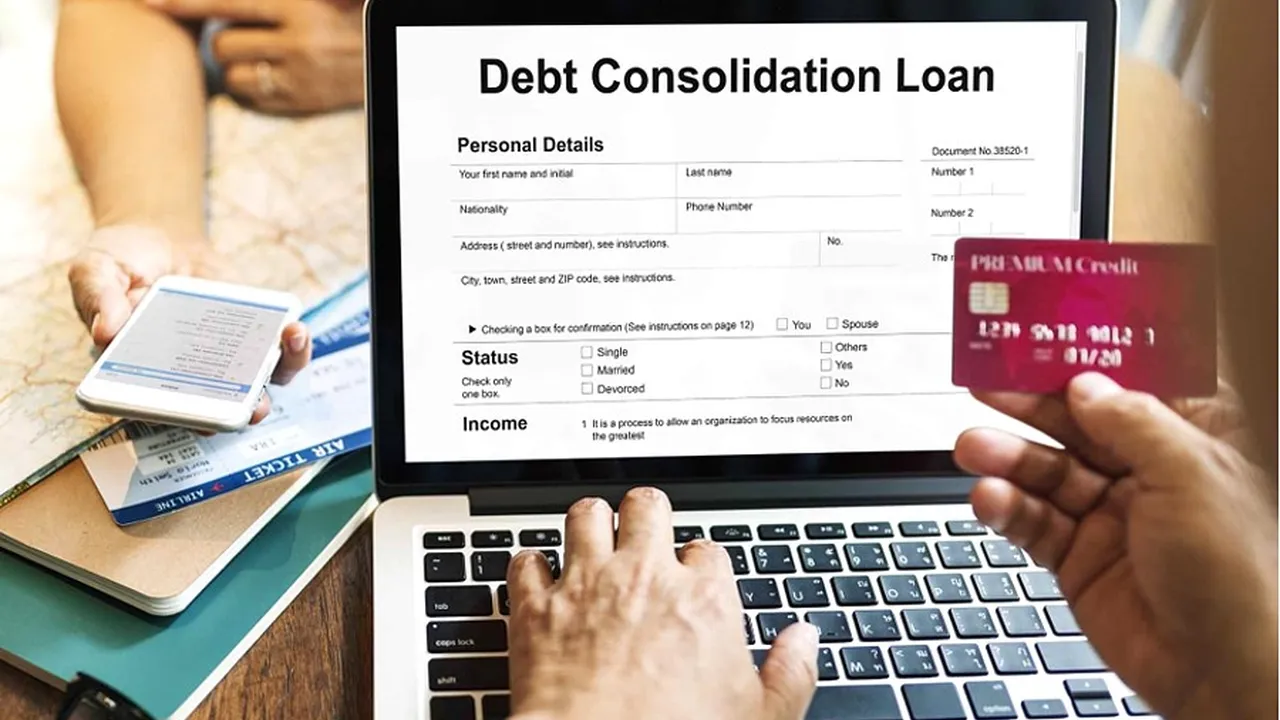
The Importance of Financial Discipline After Debt Consolidation
Understand why financial discipline is crucial for long-term success after consolidating your debts and how to cultivate it.

Understand why financial discipline is crucial for long-term success after consolidating your debts and how to cultivate it.
The Importance of Financial Discipline After Debt Consolidation
Why Financial Discipline is Your Best Friend Post Debt Consolidation
So, you’ve successfully consolidated your debts. Congratulations! That’s a huge step towards financial freedom. You’ve likely streamlined your payments, potentially lowered your interest rates, and probably feel a massive weight lifted off your shoulders. But here’s the thing: debt consolidation isn't a magic bullet that makes all your financial problems disappear forever. It’s a powerful tool, a fresh start, but its long-term success hinges almost entirely on one critical factor: financial discipline. Without it, you risk falling back into the same old patterns, accumulating new debt, and undoing all the hard work you’ve put in. Think of it like losing weight – the diet and exercise get you there, but maintaining it requires ongoing discipline. The same goes for your finances. This article will dive deep into why financial discipline is so crucial after debt consolidation and, more importantly, how you can cultivate and maintain it for lasting financial success.
Understanding the Debt Consolidation Reset Button
Debt consolidation essentially hits the reset button on your debt. You’ve taken multiple debts – credit cards, personal loans, medical bills – and rolled them into one, often with a single, more manageable monthly payment. This can significantly reduce the stress of juggling multiple due dates and varying interest rates. However, this 'reset' also means that your old credit lines, especially credit cards, might now have available credit again. This is where the temptation can creep in. Without strong financial discipline, it’s easy to see that available credit as 'extra money' rather than a potential trap. The goal of consolidation is not to free up credit for new spending, but to free up cash flow and mental energy to pay down your existing consolidated debt faster and build a healthier financial future.
The Pitfalls of Lacking Financial Discipline Post Consolidation
Let's be honest, it's easy to slip up. Here are some common pitfalls people encounter when they lack financial discipline after consolidating their debts:
- Re-accumulating Debt: This is the most common and dangerous pitfall. With old credit cards now having zero or low balances, the urge to use them for non-essential purchases can be strong. Before you know it, you're back to square one, or even worse, with a consolidated loan payment AND new credit card debt.
- Missing Payments: Even with a single, consolidated payment, a lack of discipline in budgeting and tracking expenses can lead to missed payments. This not only incurs late fees but also damages your credit score, making future borrowing more expensive.
- Ignoring Your Budget: If you created a budget as part of your consolidation plan (and you absolutely should have!), neglecting to stick to it is a recipe for disaster. A budget is your financial roadmap; without following it, you'll get lost.
- Lack of Savings: Financial discipline isn't just about paying down debt; it's also about building a financial safety net. Without discipline, you might neglect building an emergency fund, leaving you vulnerable to unexpected expenses that could force you back into debt.
- Lifestyle Creep: As your financial situation seemingly improves (lower monthly payments, less stress), there's a tendency to increase spending on non-essentials. This 'lifestyle creep' can quickly erode the benefits of consolidation.
Cultivating Financial Discipline Practical Strategies and Tools
So, how do you cultivate this elusive financial discipline? It's not about deprivation; it's about intentionality and smart habits. Here are some actionable strategies:
1. Master Your Budget Your Financial GPS
A budget is the cornerstone of financial discipline. It's not a restrictive diet; it's a plan for your money. After consolidation, revisit and refine your budget. Make sure it accurately reflects your new consolidated payment and allocates funds for all your essential expenses, savings, and even a small amount for discretionary spending (to avoid feeling deprived). There are many budgeting methods and tools:
- The 50/30/20 Rule: 50% needs, 30% wants, 20% savings/debt repayment. This is a great starting point for many.
- Zero-Based Budgeting: Every dollar has a job. This method ensures you're intentional with every penny.
- Envelope System: For those who prefer a tactile approach, allocate cash into physical envelopes for different spending categories.
Recommended Budgeting Tools/Apps:
- You Need A Budget (YNAB): This is a powerful, paid budgeting app that teaches you to 'give every dollar a job.' It's fantastic for cultivating discipline and understanding your spending habits. It costs around $14.99/month or $99/year.
- Mint: A free, popular app that links to your bank accounts and credit cards, categorizes transactions, and helps you track spending. It's great for an overview and basic budgeting.
- Personal Capital: Offers free financial tracking, budgeting, and investment analysis. Excellent for a holistic view of your finances.
- Google Sheets/Excel: For those who prefer a DIY approach, a simple spreadsheet can be incredibly effective. There are many free templates available online.
2. Automate Your Savings and Payments Set It and Forget It
One of the easiest ways to enforce discipline is to remove the human element of decision-making. Set up automatic transfers for your consolidated debt payment and for your savings. This ensures you're consistently paying down debt and building your emergency fund without having to actively remember or decide each month.
- Automate Debt Payments: Set up automatic payments for your consolidated loan from your checking account.
- Automate Savings: Schedule a weekly or bi-weekly transfer from your checking to your savings account. Even small, consistent amounts add up.
3. Freeze or Close Old Credit Accounts Eliminate Temptation
If you consolidated credit card debt, those cards now have available credit. This is a huge temptation. Consider freezing them (literally, put them in a block of ice in your freezer) or, even better, closing them. While closing accounts can temporarily ding your credit score by reducing your overall available credit, the long-term benefit of removing temptation and preventing new debt often outweighs this short-term impact. If you keep them open, cut them up physically so you can't use them for impulse buys, but keep the account active for credit history purposes.
4. Build an Emergency Fund Your Financial Shield
Life happens. Car repairs, medical emergencies, job loss – these unexpected events can derail even the best financial plans and force you back into debt. An emergency fund acts as your financial shield. Aim for at least 3-6 months' worth of essential living expenses. Prioritize building this fund after consolidation, even if it means slightly slower debt repayment initially. It's a crucial part of long-term financial discipline.
5. Track Your Spending Know Where Your Money Goes
You can't manage what you don't measure. Regularly tracking your spending helps you identify areas where you might be overspending and allows you to make adjustments to your budget. This doesn't mean scrutinizing every single penny, but rather understanding your overall spending patterns.
- Apps like Mint or YNAB: As mentioned, these automatically categorize your spending.
- Manual Tracking: Keep a small notebook or use a spreadsheet to log every expense.
- Bank/Credit Card Statements: Review these monthly to see where your money is going.
6. Set Clear Financial Goals Stay Motivated
What's your 'why'? Why did you consolidate your debt? Is it to buy a house, save for retirement, travel, or simply live stress-free? Having clear, measurable financial goals provides motivation and direction. Break down large goals into smaller, achievable milestones to keep you engaged and celebrate your progress.
- SMART Goals: Make your goals Specific, Measurable, Achievable, Relevant, and Time-bound.
- Vision Board: A visual representation of your financial goals can be a powerful motivator.
7. Practice Delayed Gratification The Power of Patience
In an instant-gratification world, delayed gratification is a superpower. Instead of buying that new gadget or going on that spontaneous trip, ask yourself if it aligns with your financial goals. Can you wait a month? Three months? Often, the desire passes, or you realize the money is better spent on debt repayment or savings. This is a core tenet of financial discipline.
8. Educate Yourself Continuously Learn and Grow
Financial literacy is an ongoing journey. The more you understand about personal finance, investing, and debt management, the better equipped you'll be to make disciplined decisions. Read books, listen to podcasts, follow reputable financial blogs. Knowledge empowers discipline.
9. Find an Accountability Partner or Community Support System
It's easier to stay disciplined when you have support. This could be a trusted friend, family member, or even an online community focused on financial wellness. Sharing your goals and progress can provide encouragement and keep you accountable.
10. Reward Yourself (Responsibly) Celebrate Small Wins
Discipline doesn't mean never enjoying life. It's important to reward yourself for reaching milestones, but do so responsibly. Instead of a shopping spree, maybe it's a nice dinner out, a new book, or a small experience. These small rewards can help maintain motivation without derailing your progress.
Specific Product Recommendations for Maintaining Discipline
Beyond budgeting apps, certain financial products can help reinforce discipline:
1. High-Yield Savings Accounts for Emergency Funds
Once you start building your emergency fund, you want it to work for you. High-yield savings accounts offer better interest rates than traditional savings accounts, helping your money grow faster. They are typically FDIC-insured (in the US) or equivalent in Southeast Asia, making them safe.
- Product Examples (US):
- Ally Bank Online Savings Account: Known for competitive rates, no monthly fees, and excellent customer service. Current APY often around 4.25% (variable).
- Marcus by Goldman Sachs Online Savings Account: Another strong contender with good rates and no fees. Current APY often around 4.30% (variable).
- Discover Bank Online Savings Account: Offers competitive rates, no fees, and 24/7 customer service. Current APY often around 4.25% (variable).
- Product Examples (Southeast Asia - Varies by Country):
- Singapore: OCBC 360 Account, DBS Multiplier Account (these often require meeting certain criteria like salary credit, spending, etc., to unlock higher rates).
- Malaysia: Maybank Islamic Gold Investment Account-i, CIMB e-Fixed Deposit (for fixed-term savings).
- Philippines: ING Savings Account, CIMB Bank PH Savings Account (digital banks often offer higher rates).
- Usage Scenario: Automatically transfer a set amount from your checking account to this high-yield savings account each payday. This money is for emergencies only, not for everyday spending.
- Comparison: Traditional bank savings accounts typically offer very low interest rates (e.g., 0.01% - 0.05%). High-yield accounts offer significantly more, helping your emergency fund grow faster.
- Cost: Generally free to open and maintain, though some may have minimum balance requirements to earn the highest APY.
2. Secured Credit Cards (if rebuilding credit is a priority)
If your credit score took a hit during your debt journey, a secured credit card can be a disciplined way to rebuild it. You put down a deposit, which becomes your credit limit, and you use the card like a regular credit card. The key is to use it for small, essential purchases and pay the balance in full every month. This demonstrates responsible credit behavior.
- Product Examples (US):
- Discover it Secured Credit Card: Popular for its rewards program and often graduates to an unsecured card. Requires a security deposit from $200.
- Capital One Platinum Secured Credit Card: Offers flexible security deposit options. Requires a security deposit from $49 to $200.
- Product Examples (Southeast Asia - Varies by Country):
- Philippines: BDO ShopMore Mastercard Secured, Metrobank Secured Credit Card.
- Malaysia: Maybankard Secured Visa/Mastercard.
- Singapore: Standard Chartered Manhattan Card (secured option available).
- Usage Scenario: Use for one small, recurring bill (e.g., a streaming service) and set up automatic full payment from your checking account. This builds positive payment history without risking overspending.
- Comparison: Unlike unsecured cards, you're using your own money as collateral, making it less risky for lenders and easier to obtain for those with poor credit.
- Cost: Requires a security deposit (fully refundable upon closing the account in good standing or graduation to unsecured). May have annual fees (e.g., $0-$39).
3. Investment Apps with Automated Investing
Once your emergency fund is solid and you're consistently paying down your consolidated debt, you might start thinking about investing. Automated investment apps can help you build wealth with discipline, even with small amounts.
- Product Examples (US):
- Acorns: Rounds up your purchases to the nearest dollar and invests the change. Also allows recurring investments. Costs $3-$9/month.
- Betterment: Robo-advisor that builds diversified portfolios based on your goals and risk tolerance. Automates investing. Fees typically 0.25% - 0.40% of assets under management.
- Fidelity Go: Similar to Betterment, a robo-advisor service from a traditional brokerage. Fees typically 0.35% of assets under management.
- Product Examples (Southeast Asia - Varies by Country):
- Singapore: Syfe, StashAway (robo-advisors offering diversified portfolios). Fees typically 0.2% - 0.8% of assets under management.
- Malaysia: Wahed Invest, MyTheo (Islamic and conventional robo-advisors). Fees typically 0.3% - 1.0% of assets under management.
- Philippines: GInvest (via GCash), Seedbox Philippines (mutual funds and UITFs).
- Usage Scenario: Set up a recurring weekly or monthly transfer of a small amount (e.g., $25-$50) to an investment account. This builds the habit of investing without requiring active decision-making each time.
- Comparison: These apps make investing accessible and automated, unlike traditional brokerage accounts which might require more active management.
- Cost: Monthly subscription fees (Acorns) or a percentage of assets under management (Betterment, Syfe, StashAway).
The Long-Term Payoff of Sustained Financial Discipline
The effort you put into cultivating financial discipline after debt consolidation will pay dividends for years to come. It's not just about getting out of debt; it's about staying out of debt and building a secure financial future. You'll experience:
- Reduced Financial Stress: Knowing where your money is going and having a plan brings immense peace of mind.
- Improved Credit Score: Consistent on-time payments and responsible credit usage will boost your credit score, opening doors to better rates on mortgages, car loans, and other financial products.
- Increased Savings and Wealth: Discipline allows you to consistently save for emergencies, retirement, and other financial goals, leading to true wealth accumulation.
- Greater Financial Freedom: When you're not constantly worried about debt, you have more freedom to make choices that align with your values and aspirations.
- Better Decision-Making: Financial discipline spills over into other areas of your life, fostering a more intentional and thoughtful approach to decisions.
Debt consolidation is a powerful fresh start. But remember, it's just the beginning. The real journey to lasting financial freedom is paved with consistent, unwavering financial discipline. Embrace it, cultivate it, and watch your financial life transform.
:max_bytes(150000):strip_icc()/277019-baked-pork-chops-with-cream-of-mushroom-soup-DDMFS-beauty-4x3-BG-7505-5762b731cf30447d9cbbbbbf387beafa.jpg)